“Ladies and gentlemen, I’m not an AI. I’m a real voice actor. Let me do a tongue twister for you — Eight hundred warriors charge the northern slope…”
July 2026, Xuzhou, Jiangsu Province. 31-year-old Shen Anyu faces his phone camera, recites the tongue twister in his signature deep voice, and manages a weary smile. This is the fifth time in the past year he’s had to record a “proof of humanity” video — to platforms, to clients, to anyone who might doubt that his voice belongs to a living, breathing person.
A Stolen Voice
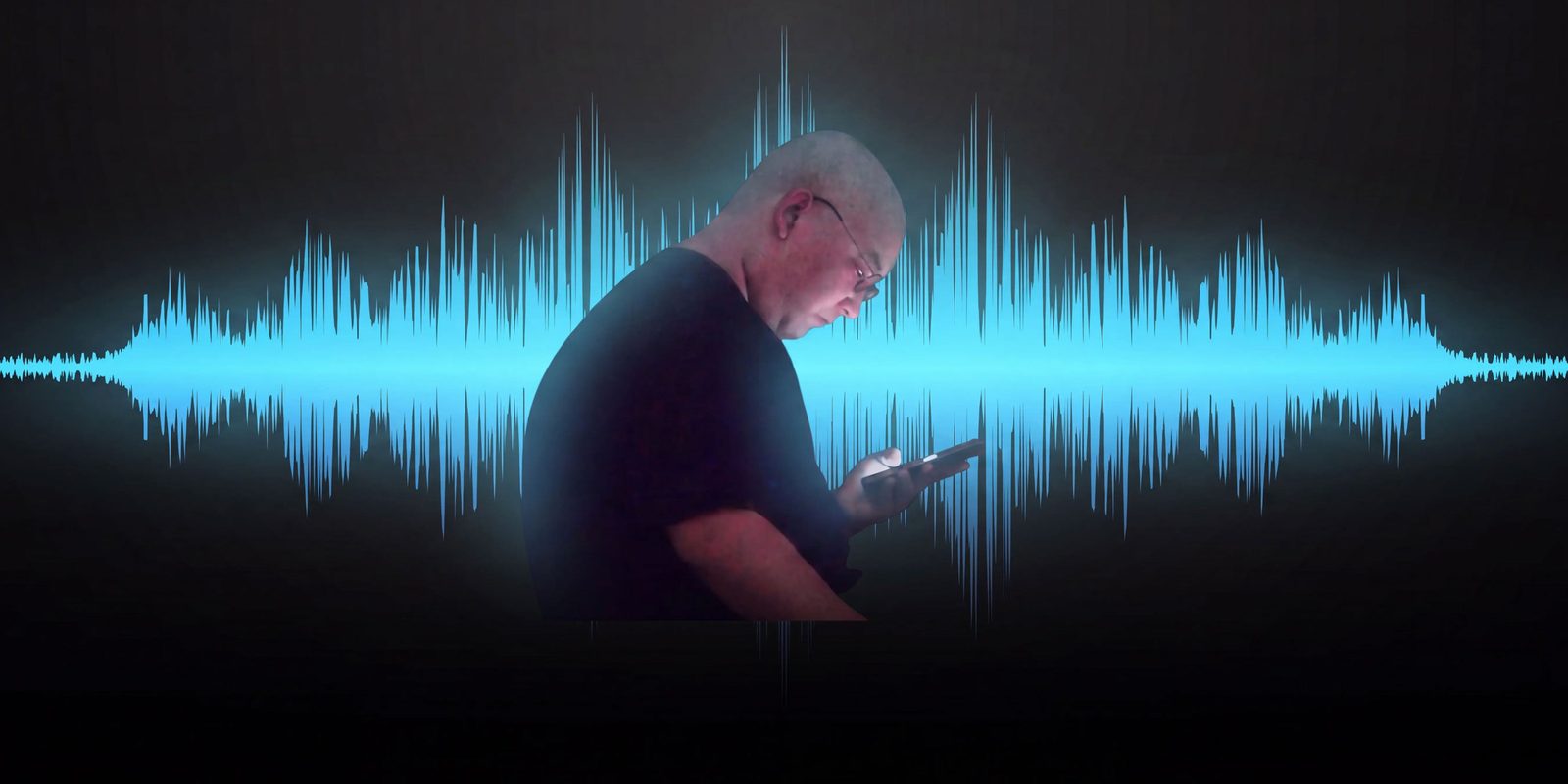
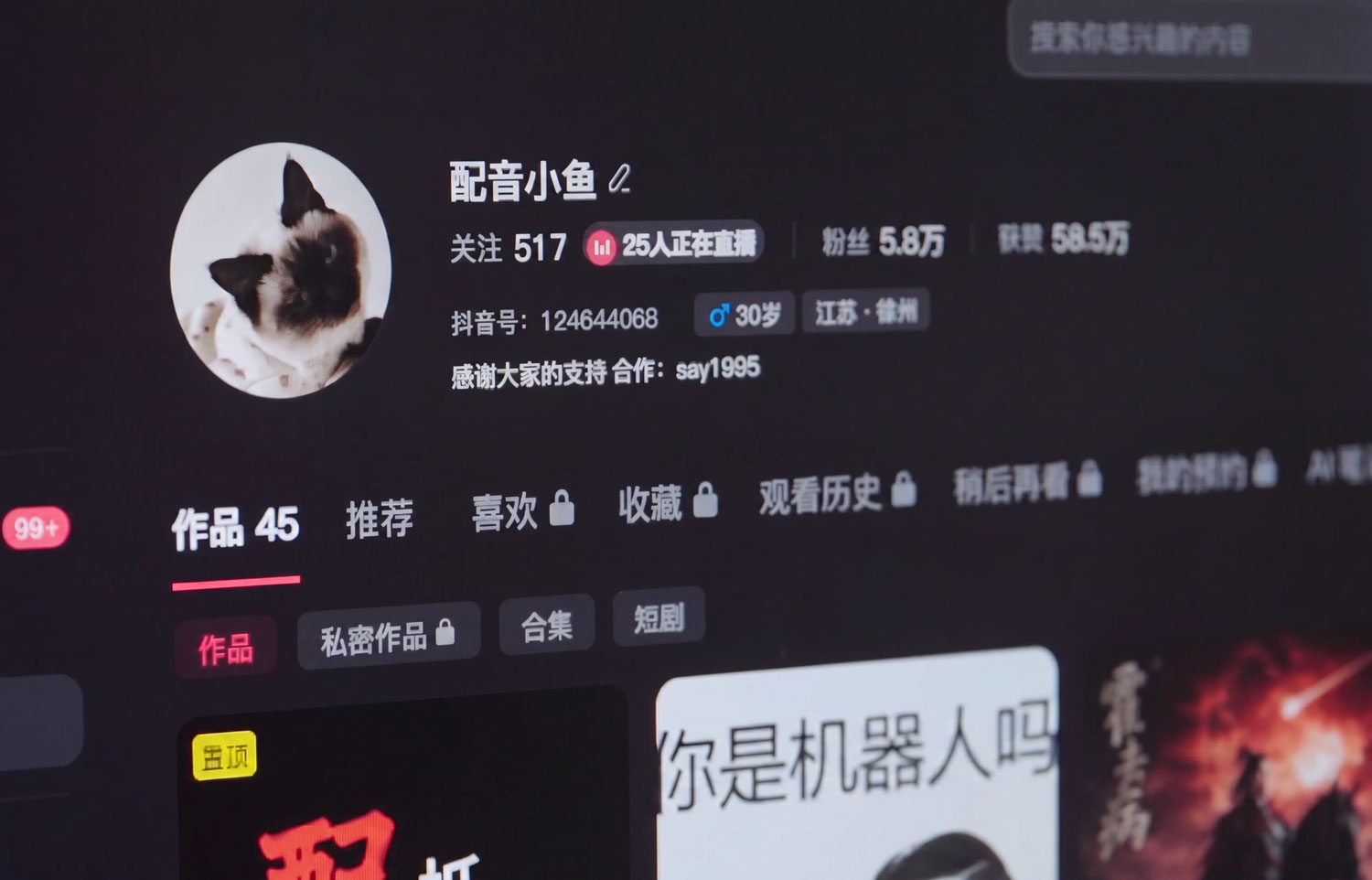
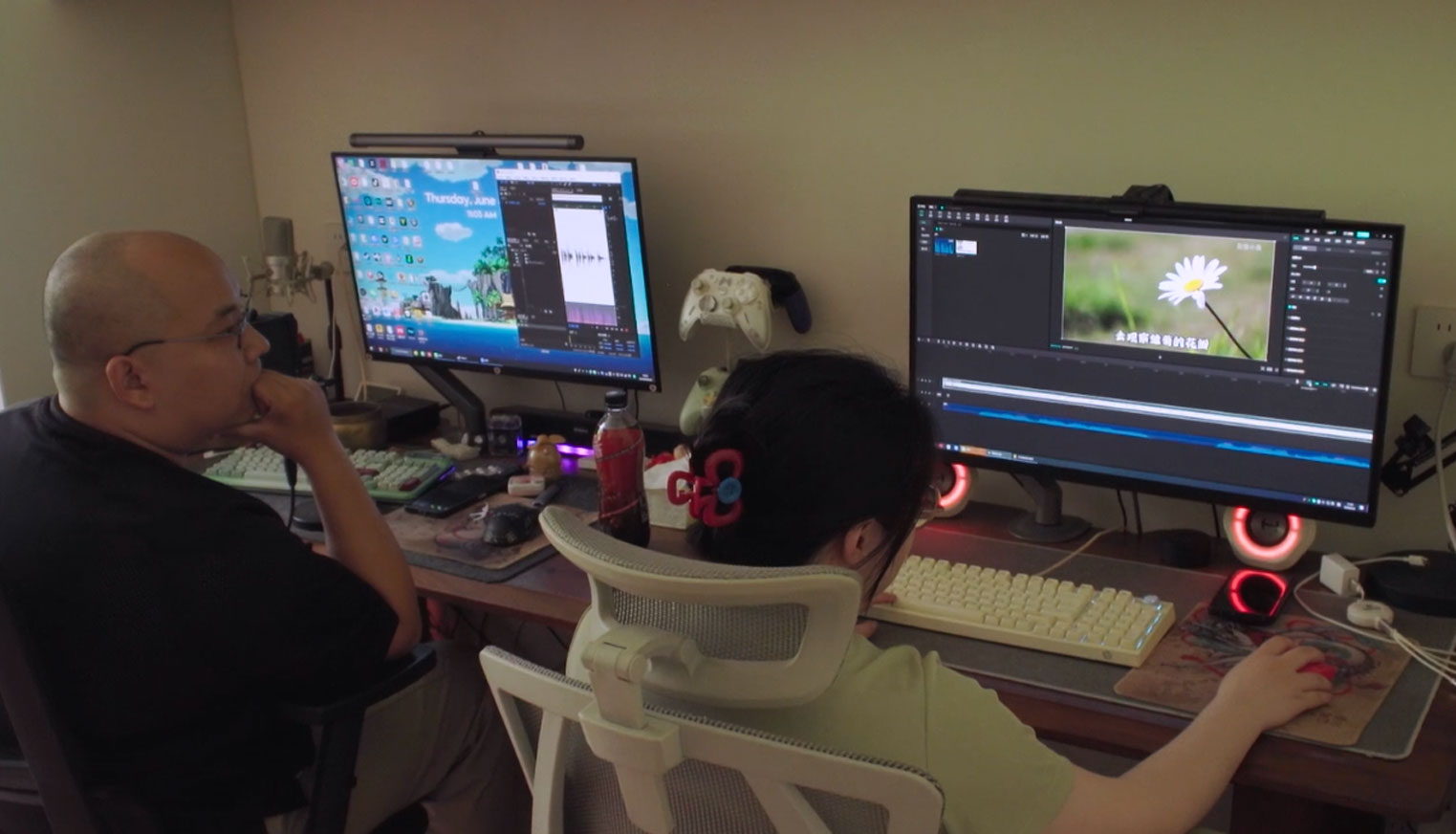
Shen Anyu is a moderately well-known voice actor on Chinese short-video platforms. For six years, he’d narrated a movie commentary channel that amassed over 5 million followers on Douyin (TikTok’s Chinese counterpart). His voice work regularly pulled millions of views. With that voice, his monthly income started at 10,000 yuan and could reach 30,000 yuan during peak season. Last year, he and his wife Wei Yiyuan moved into a new home.
But starting in 2025, things changed.
He started hearing “himself” online — narrating movies, broadcasting sports news, selling products, spreading conspiracy theories, even cursing people out in short videos — all content he’d never recorded. Friends and relatives sent him these videos to congratulate him on his success. Some even asked to borrow money, assuming business was booming.
The reality was the opposite. Platform AI detection systems began flagging his real recordings as “AI-generated.” Once tagged, recommendations plummeted. View counts crashed. His clients’ revenue shriveled. When one client appealed to the platform, the customer service response was chilling: “I don’t know. I’ve heard this voice so many times. I just assumed it was AI-generated.”
How AI Voice Cloning Got This Good
To understand Shen Anyu’s predicament, you first need to understand why AI voice cloning sounds so real.
Traditional voice synthesis (like navigation system voices) works by “concatenation” — chopping hours of human recordings into tiny fragments and stitching them together by rule. You can always tell it’s a machine — the seams are there, the tone and emotion never vary.
After 2023, a technology called “neural voice synthesis” changed everything. Instead of stitching recordings, it trains AI to learn a person’s voice characteristics — pitch, timbre, speed, rhythm, enunciation habits, even breathing patterns. Like an artist who studies someone’s style so thoroughly they can produce matching work without referencing source material.
More critically, this learning now requires minimal data. Early voice cloning needed hours of someone reading text aloud. By 2025, mainstream AI voice tools — ElevenLabs abroad, Fish Audio in China — could perform “zero-shot cloning” from just a few seconds of audio. Three seconds of recording can generate ten minutes of natural-sounding speech, at a cost of “a bottle of water.”
Research findings are even more unsettling. A 2025 study by Queen Mary University of London showed that AI-generated voices have crossed the “indistinguishability threshold” — ordinary listeners, when not told which is which, cannot tell AI voices from human recordings. Cybersecurity firm DeepStrike reports that deepfake content skyrocketed from 500,000 in 2023 to 8 million in 2025 — an increase of nearly 900%.
This means the human ear can no longer serve as a reliable defense line between “real” and “fake” voices.
I reviewed multiple technical reports. Current AI voice synthesis relies on three main approaches: diffusion-based voice generation (similar to AI image generation), end-to-end audio codec synthesis, and multimodal LLM-based generation — AI doesn’t just mimic the voice but adjusts emotion and timing based on text content. All three approaches matured rapidly between 2025 and 2026, bringing the technical barrier for cloning a voice down to “download an app and you’re done.”
Technology’s One-Two Punch: An Industry’s Survival Battle
Shen Anyu is not alone. China’s voice-acting industry is experiencing a technological body blow.
28-year-old voice actress Ciya Liu recorded the female lead for a short drama series. The producer sent back several audio clips asking her to “re-record to improve quality.” She listened and froze — the voice did sound like hers, even her little pronunciation quirks were there, but the phrasing and emphasis were completely wrong. She suspected the company had trained an AI on her recordings. When confronted, the company denied using AI training but couldn’t explain the clips’ origin. More alarming: the same company later notified other voice actors to accept a 10% pay cut or delayed payment, adding that this would be their last collaboration — they were pivoting to “AI-produced short dramas.”
30-year-old voice actor Xu Ziqi faces a different, equally brutal reality: audiobook narration rates have dropped from 80 yuan per hour to 40 yuan. On WeChat booking groups that used to see dozens of job postings a day, now days pass without a single one. Early this year, dozens of well-known voice actors issued public statements declaring they had never authorized their voices for AI training. Leading studio 729 Voice Works reported that AI-generated audio dramas have appeared in thousands of episodes across countless accounts — unauthorized usage virtually untraceable.
Xu Ziqi’s words cut to the heart of the industry’s dilemma: “Many newcomers think that as long as they polish their voice and improve their skills, they’ll be better than AI. But those of us who’ve been in this field for years know: clients often just want a specific voice timbre. Now AI can replicate any timbre they want.”
“AI takes away each person’s best voice and best performance,” she said. “The more you practice and refine, the more training material it gets.”
There’s a cruel paradox buried in that statement: in the age of AI, the harder a voice actor works to improve, the better a target for replacement they become.
Fighting a War You Can Barely Win
How hard is it to fight back after your voice is cloned?
Shen Anyu and his wife tried every option they could think of: collecting videos and screenshots, logging every infringing link, contacting uploaders, filing platform complaints, consulting lawyers, preparing for litigation.
Results from contacting uploaders varied — a few deleted the videos, most simply ignored them. One response: “Don’t mess with me. I can make better videos with someone else’s cloned voice and crush you.” Another offered to buy a license to use the cloned voice, as if infringement was just a ticket you could purchase after the fact.
Platform complaint channels were nearly useless. Wei Yiyuan said one complaint actually succeeded, and she thought she’d found a way forward. “After that, I went crazy copying links,” she said. But subsequent complaints vanished into a black hole. “Every day collecting evidence, filing complaints — and every day feeling more hopeless.”
The legal path is equally daunting. In 2024, Beijing lawyer Ren Xiangyu handled China’s first AI voice infringement case, later selected as a reference case by the Supreme People’s Court. The ruling was clear: unauthorized voice cloning infringes on personality rights, and owning the copyright to a recording doesn’t give you the right to freely use a voice actor’s voice. But Ren acknowledges Shen Anyu’s situation is far more complex than the first case — in that case, the plaintiff had over 50 hours of recordings and a clear defendant. Today, anyone can clone a voice from three seconds of audio and publish through countless anonymous accounts. Perpetrator identities are near-impossible to trace, and the economic cost of rights protection — a single forensic voice analysis costs at least 10,000 yuan — far exceeds any likely compensation.
“The cost of infringement is too low,” Ren said.
”I Might Be Fighting This War for the Rest of My Life”
Some have suggested to Shen Anyu: since your voice is already cloned, why not license it yourself and profit from it? Some out-of-work voice actors have indeed switched to teaching others how to use AI cloning tools.
Shen Anyu refused.
“I don’t think AI is bad. It’s a tool,” he said. “But how people use it — that’s the problem.” After sharing his experience online, he heard from many voice actors and even people in other industries facing similar struggles. Those voices steeled his resolve. He’s spending more and more of his time documenting infringements and preparing litigation.
He expects the legal battle to be grueling. “It might take years — maybe a lifetime,” he says. “I’m prepared to lose. But I hope I can change something, at least.”
To make up for lost income, Shen Anyu and his wife started producing their own short videos. His favorite one is about Xin Qiji, a Southern Song dynasty poet and general whose ambitions were never fulfilled. Recording it, Shen Anyu found himself pouring real emotion into the words.
For those few minutes, he was using his own voice to say what he wanted to say.
Author’s note: This article is based on an original report by Sixth Tone, Hacker News community discussion, and multiple AI voice technology research reports. Technical explanations aim for accessibility; professional judgments reference publicly available academic research and industry reports. All perspectives presented come from public interviews or statements. My goal is to present the complexity of this issue without taking sides — AI voice technology offers remarkable creative potential while creating unprecedented ethical dilemmas. There are no ready answers yet on how to balance the two.
References:


