
In November 2026, Grand Theft Auto VI (GTA 6) finally launched worldwide. Yet during a broadcast watched by tens of thousands of viewers, popular streamer JasonTheWeen was hit by a catastrophic glitch. Ten consecutive hours of campaign progress vanished in an instant—triggered by an abrupt, unheralded console shutdown.
After rebooting into the dashboard and relaunching the title, the local save list was entirely blank, and the main menu’s “Continue” option was grayed out. While initial onlookers suspected an exaggerated streaming stunt, a deluge of matching complaints quickly flooded Reddit and gaming forums. From the PlayStation 5 to the Xbox Series X, hard console freezes and corrupted save states have begun spreading across the community.
 Figure: GTA 6 autosave prompt and Leonida exploration interface. Source: Rockstar Games (via Notebookcheck).
Ten Hours Erased in a Flash: Hard Freeze Wipes Streamer’s Save
JasonTheWeen’s mishap struck right at the climax of his marathon launch stream. While navigating the dense traffic of Vice City, the display suddenly froze, followed seconds later by a total system power-off. When he powered the PS5 back on, the console failed to resume from any recent checkpoint, claiming no valid save data existed. Ten full hours of completed story missions, open-world exploration, and character progress had been wiped clean.
The viral incident sparked immediate debate. Skeptics wondered if the streamer had accidentally kicked the power cable. Supporters argued that the frozen frame followed by a hard reboot was a textbook kernel-level crash. Regardless of the immediate trigger, the underlying architectural reality remained clear: sudden power cuts during game execution were corrupting local save directories beyond recovery.
This vulnerability shattered players’ assumptions about current-generation console reliability. With ultra-fast NVMe solid-state drives, gamers had come to expect near-instantaneous state preservation. High-speed I/O channels, however, cannot compensate for an interrupted write transaction. The moment metadata synchronization fails halfway through, the entire save container faces catastrophic structural failure.
Prologue Freezes and Crashes Every 20 Minutes: Xbox Community Outcry
The viral stream was merely the tip of the iceberg. Microsoft’s Xbox ecosystem has suffered a similar wave of severe crashes. On Reddit’s r/XboxSupport community, troubleshooting threads dedicated to GTA 6 multiplied rapidly on day one. Hundreds of players reported unresponsive consoles and hardware exception codes far beyond typical launch-day teething issues.
User FearlessHuckleberry6 reported that his Xbox Series X repeatedly froze during prologue cutscenes. The video feed would hang for several seconds before dumping him back to the Xbox dashboard, forcing him to restart the introduction four separate times. BielzBielz, who logged a 12-hour continuous session, reported that the console froze for 30 seconds every 5 to 20 minutes before abruptly crashing to desktop.
// Typical crash patterns observed on Xbox Series X:
- Prologue transition cutscenes: Graphics pipeline stall followed by hardware-level screen freeze
- Densely populated open-world districts: Unprompted crash to dashboard every 15–20 minutes
- Crash aftermath: Save flush aborted, reverting game progress back to the previous manual save
These detailed player logs prove that the crashes are not isolated occurrences. Failures concentrate heavily around cinematic transitions and dense streaming sectors—moments where the console’s compute units face massive spikes in asset decompression and memory scheduling. Crashing under extreme load exposes fundamental bottlenecks where hardware limits collide with engine resource management.
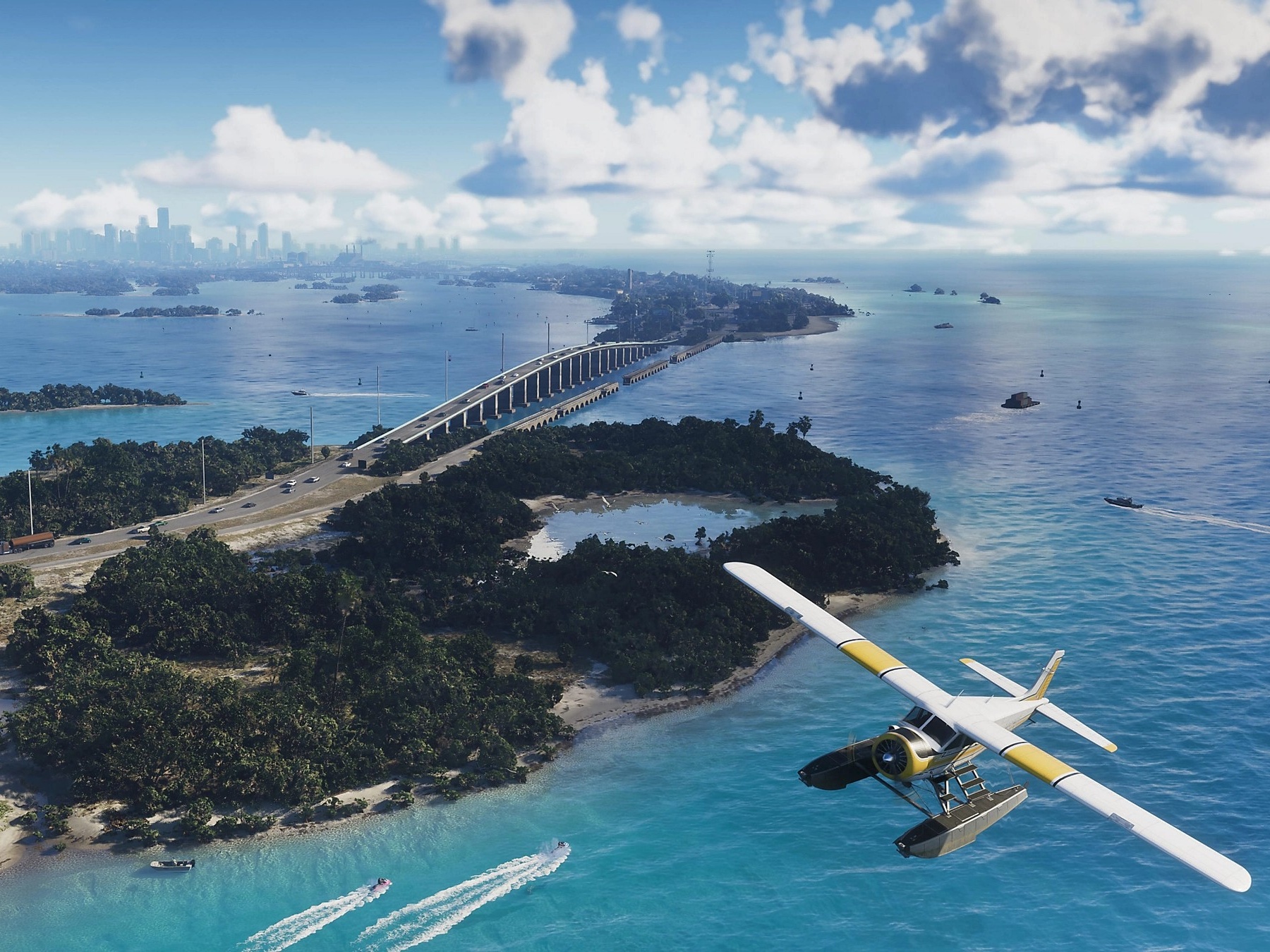 Figure: GTA 6 open-world urban environment and dynamic lighting rendering. Source: Rockstar Games (via Notebookcheck).
16GB Unified Memory Pushed to the Brink: Extreme Fidelity Strains System Caches
The technical culprit behind these recurring crashes lies in how relentlessly GTA 6 strains console hardware limits. Both the PlayStation 5 and Xbox Series X feature a 16GB GDDR6 unified memory pool. While sharing high-bandwidth RAM between the CPU and GPU eliminates PCI bus overhead, it leaves virtually no safety buffer. The operating system reserves 2.5GB to 3.5GB for system tasks, leaving games with roughly 13GB of physical memory.
GTA 6’s recreation of the state of Leonida exhibits unprecedented simulation complexity. Dynamic crowd behavior trees, volumetric weather simulation, and real-time fluid dynamics continuously devour addressable memory. To maintain seamless world streaming without visible load screens, the engine is forced into an aggressive asset streaming loop.
Extended gaming sessions exacerbate this pressure. Tearing across the map at high speeds causes high-resolution textures to be rapidly allocated and deallocated, leading to severe memory fragmentation. Once contiguous memory reaches critical thresholds, page swap latency spikes sharply. If a GPU memory allocation times out, the graphics driver triggers a protective interrupt, instantly freezing or crashing the system.
Storage I/O Meets Hard Freeze: Why Silent Autosaving Backfires
The extreme memory pressure eventually triggers catastrophic consequences due to an inherent flaw in the save system architecture. Rockstar has long favored a silent autosave mechanism. To maintain cinematic immersion, GTA 6 avoids displaying intrusive spinning disk icons or on-screen saving indicators during routine gameplay. While visually seamless under normal conditions, this design choice turns deadly when the system crashes hard.
Rockstar has never publicly detailed its autosave frequency or triggers. In-game testing reveals that key prologue beats and several major transitions bypass autosave routines entirely. To make matters worse, the menu layout introduces dangerous confusion: the “Save Game” menu only displays manual save slots, while autosave entries are buried deep inside the “Load Game” screen.
When a console suffers a hard freeze or sudden shutdown, the background engine is often caught mid-write. Without robust multi-stage atomic transaction safeguards, an incomplete write corrupts the main file header and index pointers. Upon relaunching, the game encounters an invalid container and displays an empty save list. Silent autosaves cannot shield players from sudden system failures, leaving those without frequent manual saves completely stranded.
Echoes of Red Dead Redemption 2: Open-World Games Cannot Rely on Single-Point Saves
For veteran players, this launch debacle feels intimately familiar. When Red Dead Redemption 2 released in 2018, widespread crashes and save corruption sparked similar outrage. It took the development studio months of patches to stabilize storage routines. Now, on the far grander scale of GTA 6, those legacy architectural assumptions are cracking once again.
The sheer scale of GTA 6 magnifies the pain of lost progress. The dual-protagonist storyline following Jason and Lucia spans 50 to 60 hours, with full completion easily crossing the 100-hour mark. Wiping out hours of open-world exploration and completed missions shatters the immersion that open-world design strives so hard to create.
Current-generation open worlds cannot merely push visual fidelity and physical simulation; data resilience must evolve in tandem with hardware workloads. Until Rockstar rolls out comprehensive stability patches, relying on silent autosaves remains a high-stakes gamble. Maintaining multiple manual save slots and creating hard saves after major story milestones is currently the only reliable defense against lost progress.
Reference Links:
- Notebookcheck Feature Report
- Reddit Xbox Support Community Discussions