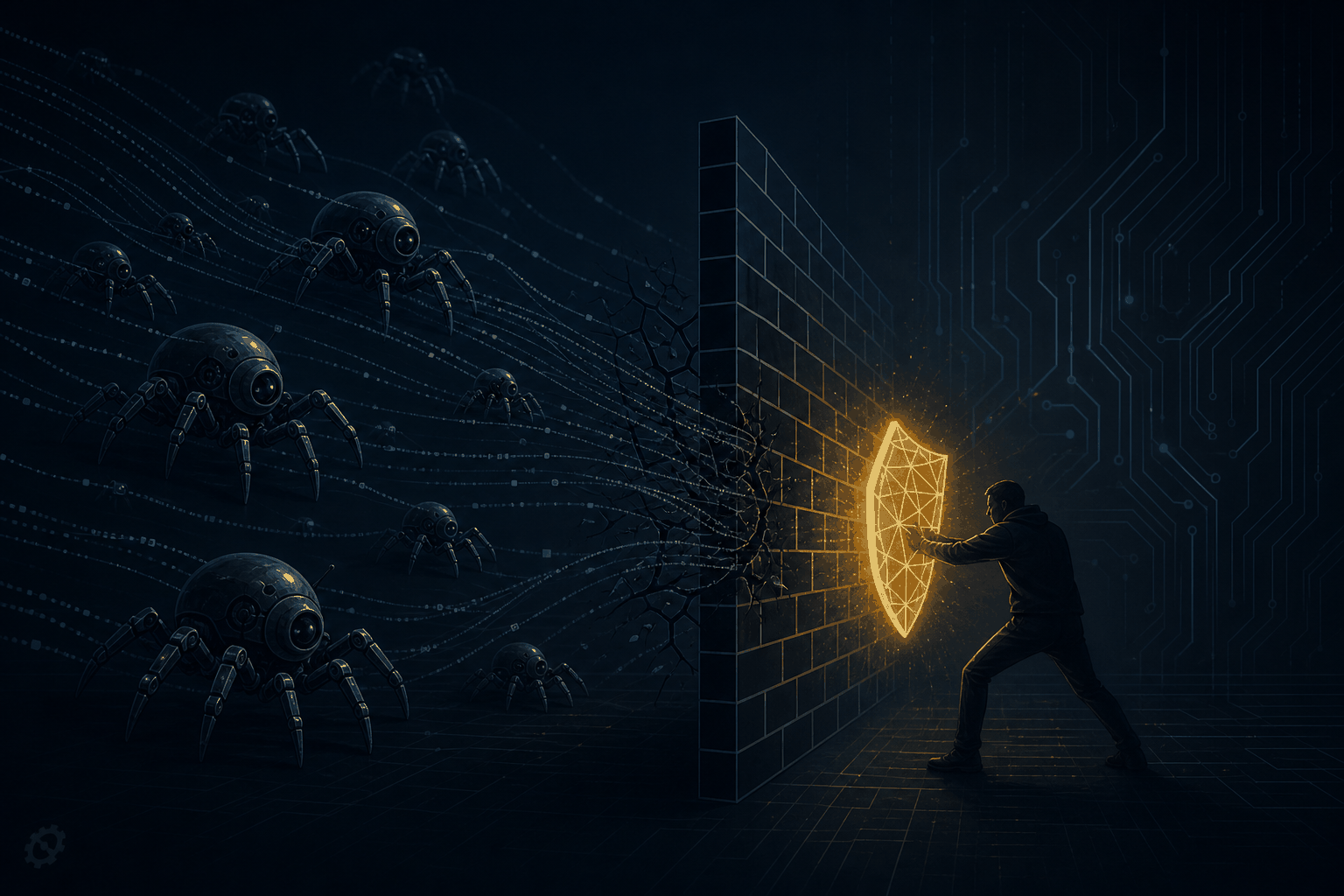
In August 2026, a classic essay from 1998 resurfaced on Hacker News, garnering 171 points as the comment section quickly turned into a virtual autopsy room for dead links. One user shared a photo of a newly purchased Logitech mouse: the included card printed “Go to logitech.com/mx to get started,” but opening the link yielded a 404 Forbidden error—for a product launched less than a year ago. Another user recalled Windows help links embedded directly in the OS that now redirect to a generic landing page, with the original article long gone. Someone else mentioned buying a “smart” air conditioner a year ago: scanning the QR code to download the companion app revealed that the link behind the QR code was already dead.
The article in question is titled “Cool URIs Don’t Change,” authored by Tim Berners-Lee, the inventor of the World Wide Web. 28 years ago, he issued a clear warning: URIs don’t change, and if you change them, links die. 28 years later, the comment section offered body after body proving that nobody listened. Here is the full story behind it.
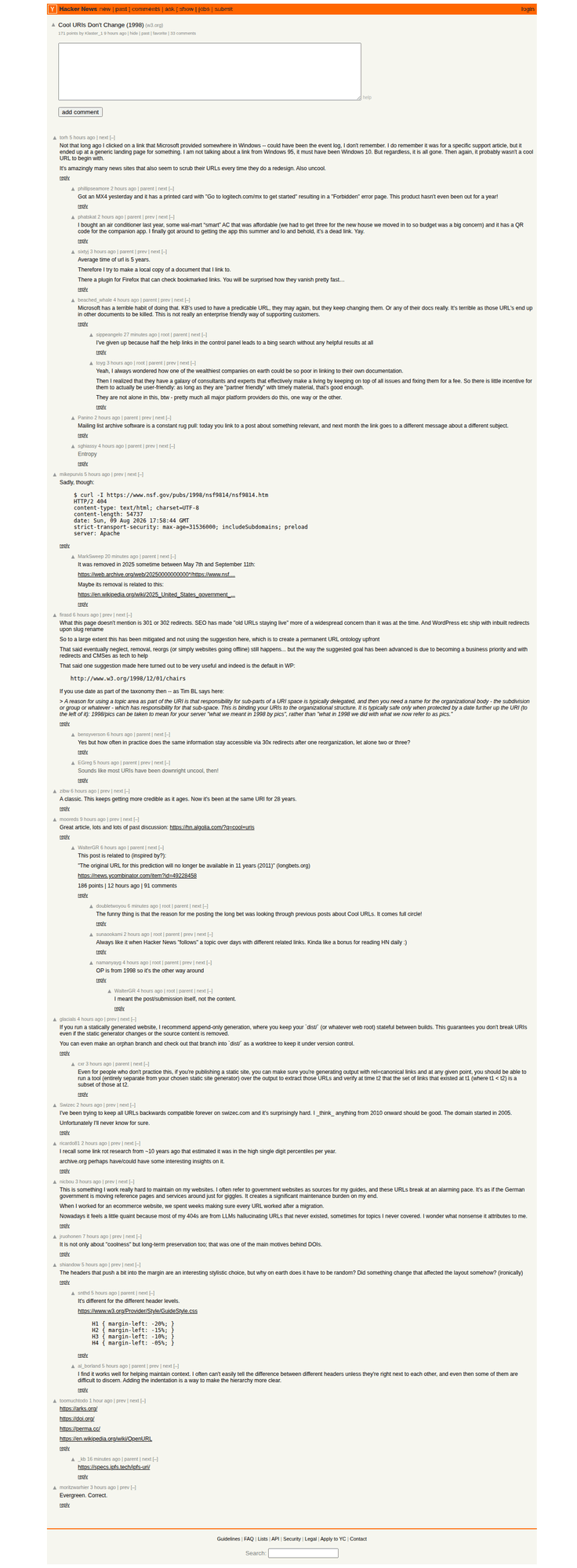 Figure: Hacker News discussion on “Cool URIs Don’t Change,” with users posting examples of link rot. Source: news.ycombinator.com
What Is a URI: A Street Address for the Web
To most people, a URL or URI is just a string of text to copy and paste. In reality, it functions like a street address: it tells the browser where a web page lives.
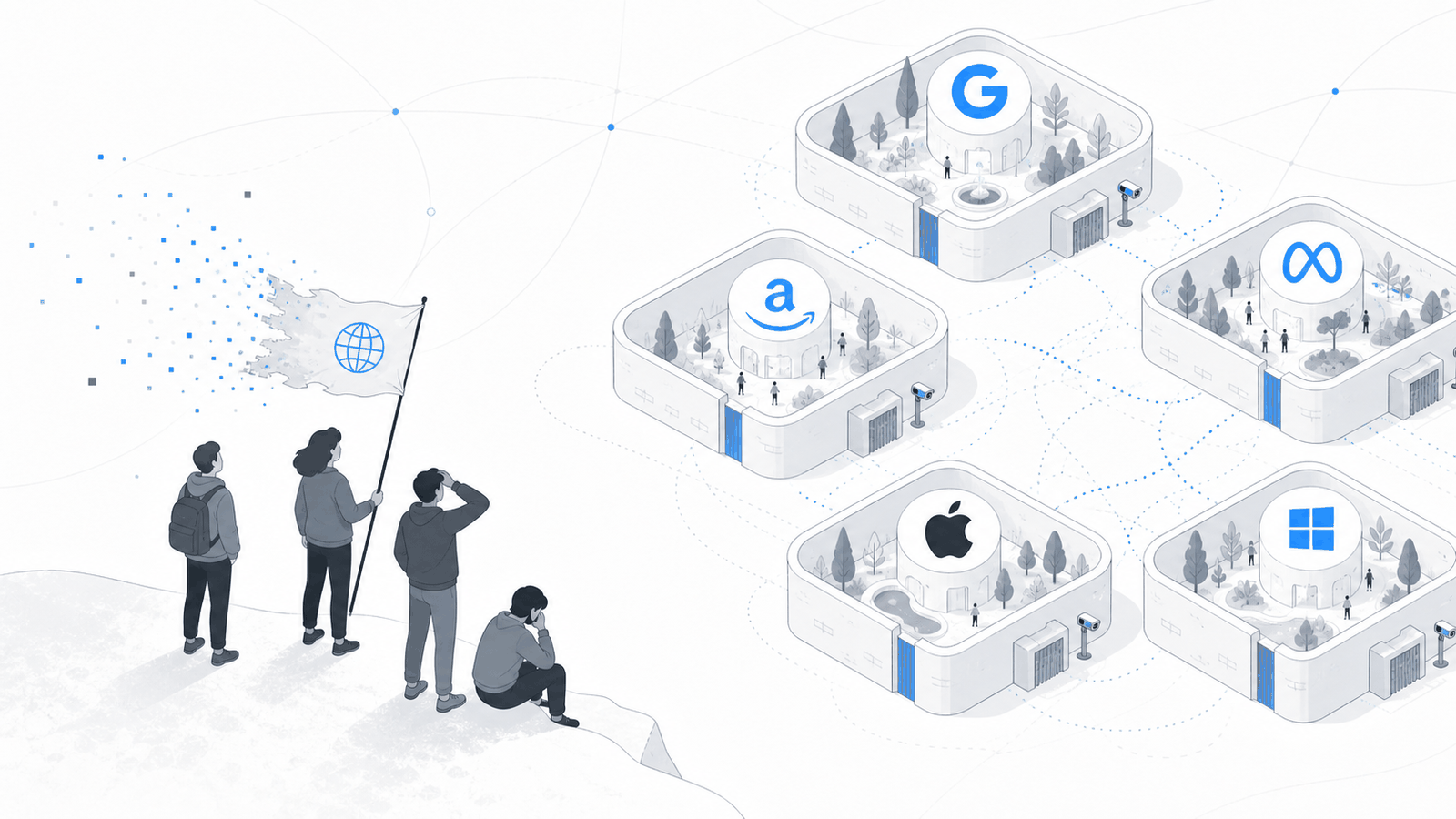
The street address itself holds no content. When a web page on a server moves, gets renamed, or is deleted, the street address does not automatically update—unless someone tears down the old sign. The problem is that almost everyone tears down the old sign when moving.
As a result, the web is littered with dead links. Bookmarks saved in your browser have an average lifespan of about 5 years before breaking—a rule of thumb repeatedly cited in the discussion. Take a look at your own bookmarks: how many of those saved links now lead to “Page Not Found”?
Why Links Die
Looking down the list of reasons why links rot, not a single one is truly “unavoidable.”
The primary culprit is site redesigns. “We redesigned our website to make it better.” Old addresses could easily redirect to new pages at negligible cost, but most companies choose not to bother—old pages are seen as having no traffic value, keeping them requires maintenance, and deleting them is simply easier.
Company bankruptcies and domain abandonments are among the few understandable reasons. Far more common are banal administrative changes: files were moved, maintainers changed, static pages were replaced by dynamic app generators, or entire batches of content were taken offline. Every single one happens behind the scenes, killing links en masse.
Tim Berners-Lee dismantled these excuses one by one with unsparing clarity. Moving files around? “One of the poorest excuses.” Switching software from scripts to binaries? “Putting implementation details in URIs means that when mechanisms change, all URIs break.” He also candidly admitted that even W3C struggled to maintain perfection, famously stating: “Do as I say, not as I do.”
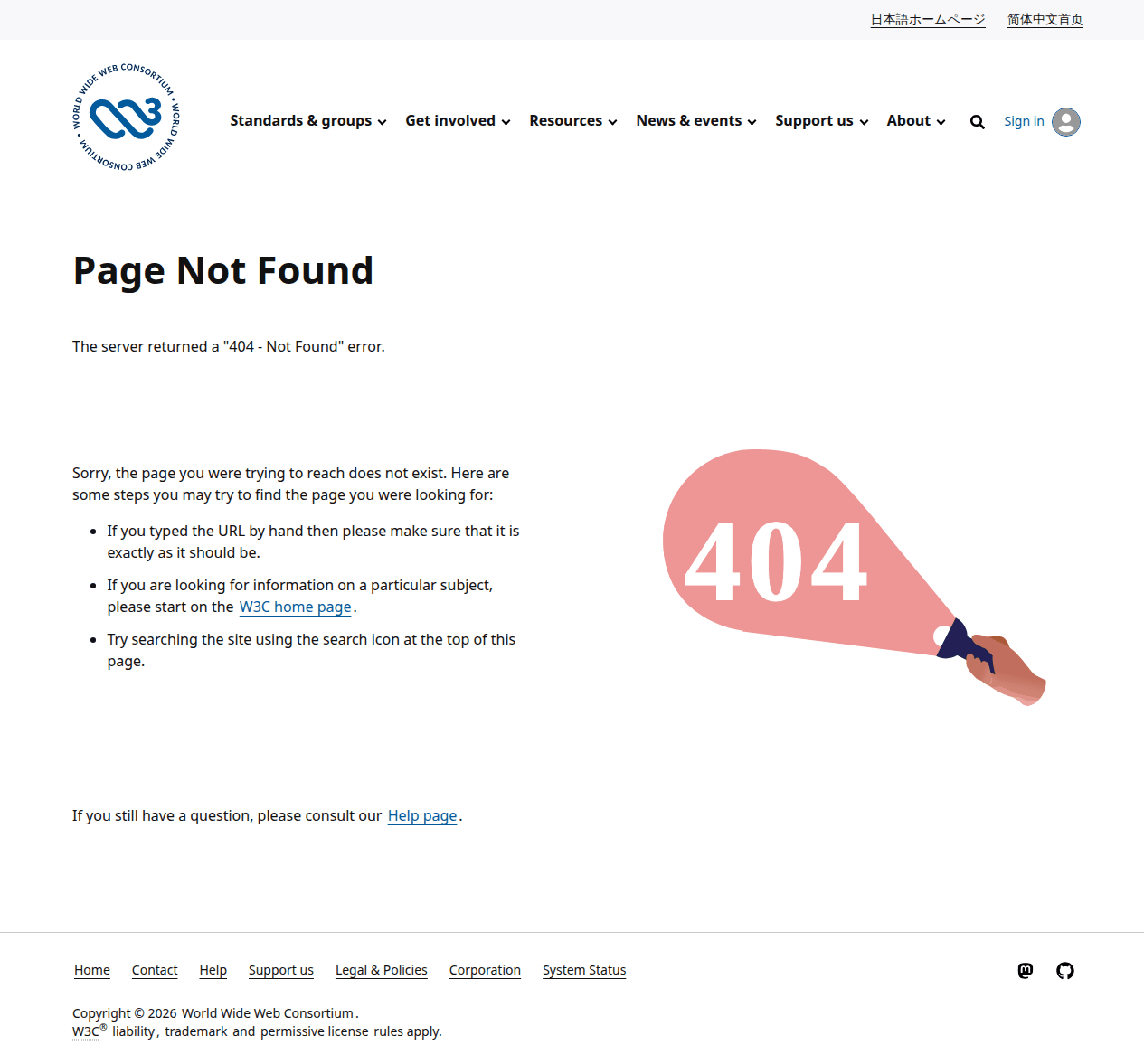 Figure: The 404 “Page Not Found” page on the W3C website—the most common farewell screen on the Web. Source: w3.org
What Tim Berners-Lee Said in 1998
The criteria for a good URI laid out in the 1998 essay remain completely valid today: short, stable, readable, and free of implementation details.
In practice, the core principle is subtraction. Don’t include author names—people leave companies; don’t include subject categories—taxonomies get reorganized; don’t include status words like “latest” or “draft”—statuses change; don’t include file extensions like .html—in twenty years you might no longer use HTML; and never include server-side traces like cgi-bin or .pl. What he did recommend including was the creation date—because dates never change. W3C’s own chair meeting notes URL is w3.org/1998/12/01/chairs—starting with the date, unchanged for 28 years.
His central aphorism remains iconic: “URIs don’t change: people change them.”
He also proposed a temporal benchmark: website maintainers have a duty to keep URIs valid after 2 years, 20 years, and 200 years. This timescale, however, is fundamentally at odds with the commercial rhythm of the modern internet.
Why Nobody Listened for 28 Years
The answer lies not in technology, but in incentives.
The corporate world operates on quarterly cycles. Old pages do not generate traffic or revenue, so deleting them is deemed “rational”; sweeping away old URLs during a redesign keeps metrics looking clean. When links die, the loss is borne by users, not companies. One commenter pointed out the logic behind tech giants: when a company maintains a vast ecosystem of consultants who make money helping clients troubleshoot broken documentation links, it has zero financial incentive to keep URLs stable. While cynical, it highlights a fundamental reality: keeping links stable has never been a priority on financial balance sheets.
There has been mild progress. Search engines made “old links must not die” a commercial imperative through SEO rankings, turning 301 redirects into an industry norm; modern content management systems now automatically set up redirects when article slugs change. Link rot has been slowed down, but not solved—a single site redesign might preserve 301 redirects, but what about two or three? One comment summarized the root cause in a single word: Entropy.
The True Cost: Broken Chains of Knowledge
Link rot is not just a minor inconvenience of “unable to open a webpage.” It actively corrodes the foundations of human knowledge.
A landmark 2014 study by Harvard Law School revealed staggering numbers: more than half of the web links cited in US Supreme Court judicial opinions were broken. For online articles in the Harvard Law Review itself, link rot exceeded 70%. Judicial opinions are the bedrock of the legal system, yet the hyperlinked legal sources within them no longer resolve—forcing future scholars and lawyers back into paper archives to verify precedent.
Academic literature suffers from an equally alarming rate of citation rot. Scientific papers rely on URIs to cite prior art; when links break, the chain of cumulative knowledge breaks with them. For ordinary users, hundreds of dead bookmarks sit silently in browsers, uncounted and unheeded.
A poignant irony appears in Berners-Lee’s 1998 article itself. As a positive example of a persistent link, he cited a 1998 document page from the US National Science Foundation (NSF), commenting that “this URI will probably still work in 2098.” In August 2026, a commenter checked the URL: 404 Not Found. It died in 2025—73 years short of his 2098 prediction.
Is There Any Remedy?
Yes, and work is happening on a scale larger than many realize.
The Internet Archive’s Wayback Machine has been taking snapshots of web pages since 1996. In October 2025, its index surpassed 1 trillion archived web pages. Even if a original webpage dies, a copy lives on in the Wayback Machine—meaning dead links in your bookmarks can often be recovered there.
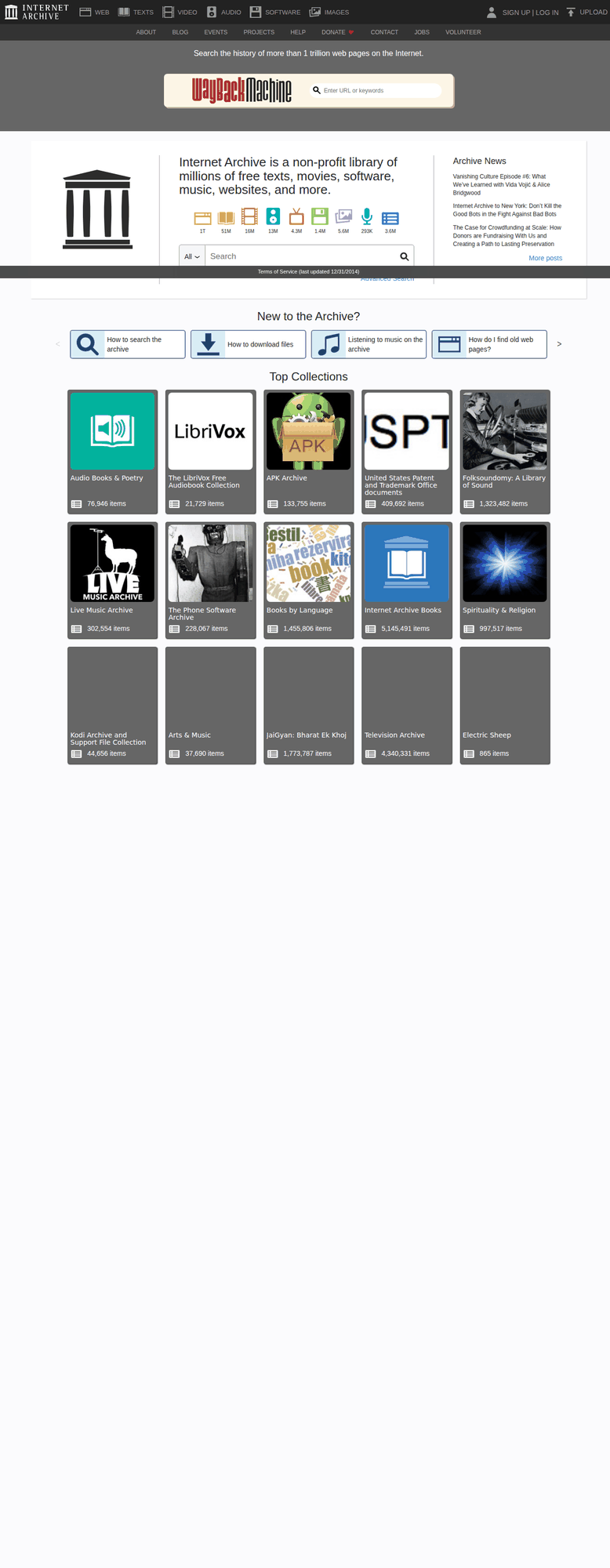 Figure: The Internet Archive homepage displaying its milestone: “Search over 1 Trillion web pages saved over time.” Source: archive.org
In the legal field, dedicated archiving projects like Harvard’s Perma.cc preserve cited web pages into immutable archival records. In academia, the DOI (Digital Object Identifier) system takes a similar approach: the identifier remains constant while the underlying target URL can be updated seamlessly behind the scenes.
Yet these solutions have clear limits. Web archiving is not real-time, and pages deleted quickly between crawler passes may be lost forever. Archiving also faces legal challenges: in 2023, the Internet Archive was sued by book publishers over controlled digital lending, ultimately losing the lawsuit and being forced to remove portions of its collection. Whether link rot is ultimately solvable remains debated: optimists argue that 301 redirects and web archives handle the vast majority of cases, while pessimists maintain that every site redesign continuously creates new graveyards of dead links.
Conclusion
Re-reading this 1998 essay 28 years later, the most striking detail is that the article itself has remained at the exact same URI for 28 years without moving. It proved by its own existence that the rule works.
However, a rule only works if everyone abides by it. URIs don’t degrade by themselves; people alter them. Links don’t rot on their own; maintainers abandon them. Next time you click a dead bookmark, remember: it wasn’t the webpage that abandoned you—its owner gave up on it first.
References:
- W3C: Cool URIs Don’t Change (Tim Berners-Lee, 1998)
- HN Discussion (item?id=49231809)
- Harvard Law Review: Perma — Study on Link Rot in Legal Citations (2014)
- Internet Archive: Wayback Machine (Surpassed 1 Trillion Pages in Oct 2025)
- Wikipedia: Wayback Machine