On June 30, 2026, Christine Lemmer-Webber sat down at her computer and wrote a blog post. She’s well-known in internet technology circles — she co-authored the ActivityPub protocol, which powers every decentralized social network today (Mastodon and the rest). You could say she’s spent half her life on 「keeping the internet open.」
But the title of this particular post carried an unmistakable weariness: 「What happened to the fight for the Internet?」
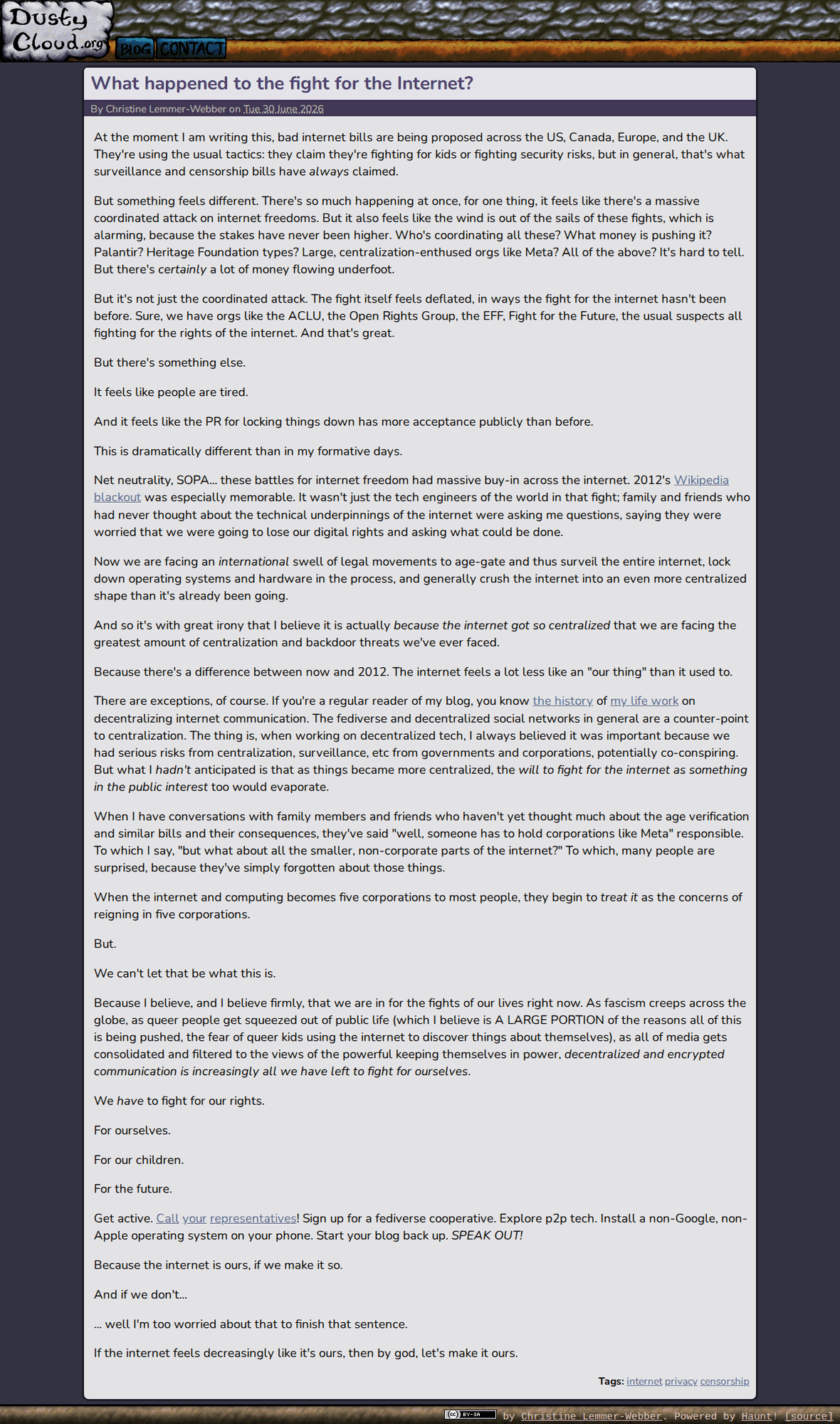
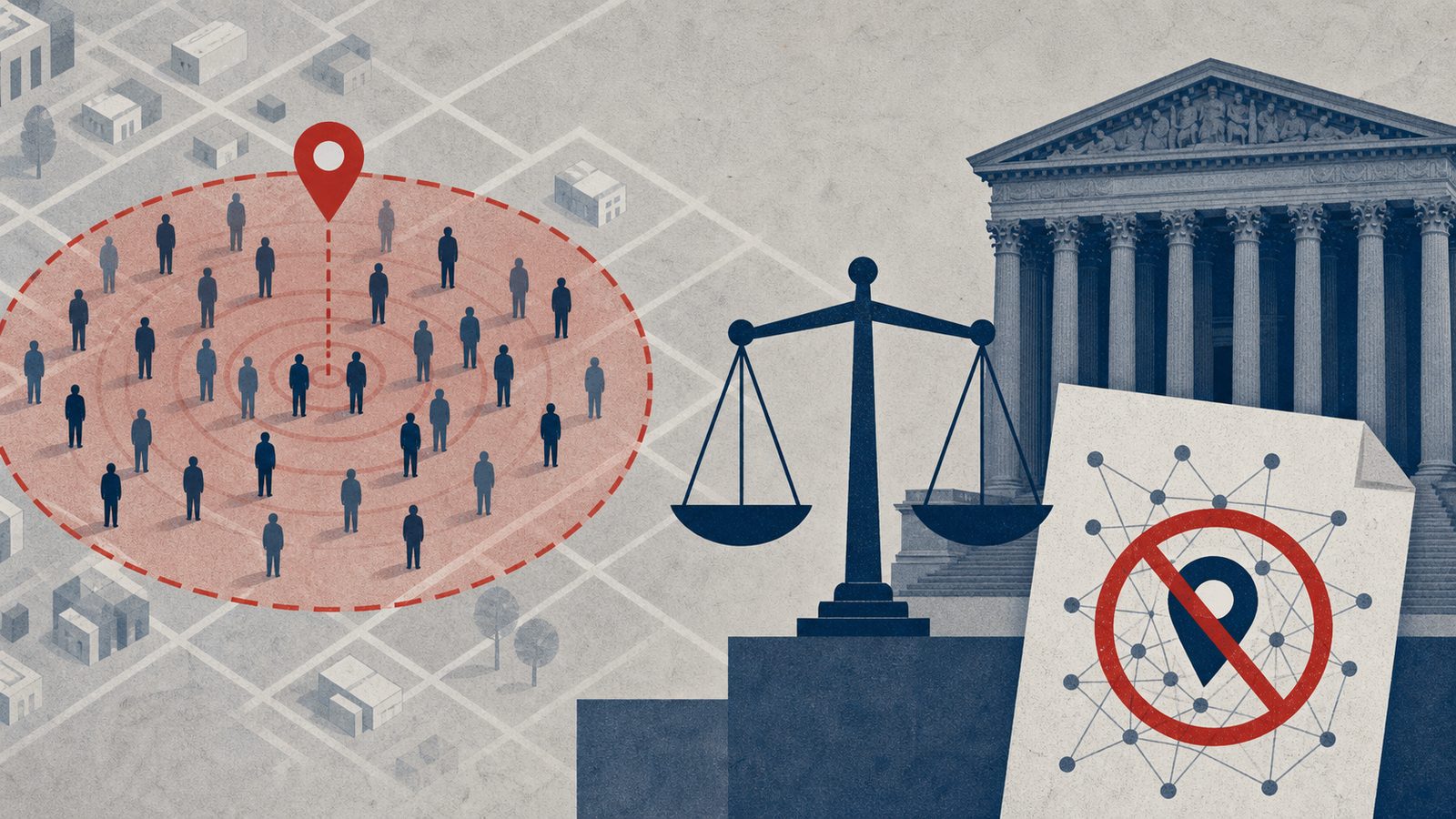
She wrote that the United States, Canada, Europe, and the UK are simultaneously pushing draconian internet regulation bills. They fly the familiar flags — 「protecting children,」 「addressing safety risks.」 The playbook never changes. But this time, the mood is different: the people who once rallied for internet freedom are exhausted. And the public no longer feels this has anything to do with them.
When I read that passage, my first thought was: when someone who’s been fighting for an open internet for over a decade says she’s tired, that’s not just her problem.
2012: When the Internet Was Still 「Ours」
Let’s rewind the clock 14 years.
On January 18, 2012, the English Wikipedia went dark, displaying a single message: 「Imagine a world without free knowledge.」 That same day, Reddit, WordPress, Craigslist, and thousands of other websites staged a coordinated blackout protest against two bills making their way through the US Congress — SOPA (the Stop Online Piracy Act) and PIPA (the PROTECT IP Act).
The bills were straightforward in their intent: if a copyright holder claimed a website contained infringing content, the government could effectively unplug that site from the internet — no court ruling required, no advance notice.
The scale of that protest is almost unimaginable today. It wasn’t just programmers and tech enthusiasts. Ordinary people flooded into the conversation. Christine recalls that even her family members and friends who knew nothing about technology were asking her: are we about to lose the internet? What can we do?
In the end, both bills were withdrawn. It was a classic 「the people won」 moment. Internet users felt: this thing is ours, and we have the power to protect it.
In 2017, a similar drama played out — the FCC moved to repeal net neutrality (the principle that ISPs can’t discriminate between websites, can’t create 「fast lanes」 and 「slow lanes」). Another wave of mass online protests, another 「Day of Action」 with hundreds of participating websites.
But by 2026, the story has fundamentally changed.
2026: When the Internet Is Just Five Companies
What went wrong? What happened in the intervening decade-plus is that the shape of the internet itself was completely transformed.
Christine points to a brutal irony in her post: it’s precisely because the internet became so centralized that people lost the will to fight for it.
She gives an example — when she talks to family and friends about the age-verification bills spreading across the globe, the reaction she gets is: 「Well, someone has to rein in companies like Meta, right?」
She asks back: 「What about the small, non-commercial parts of the internet?」
Many people pause. The reason is simple — they’d genuinely forgotten the internet even has those parts.
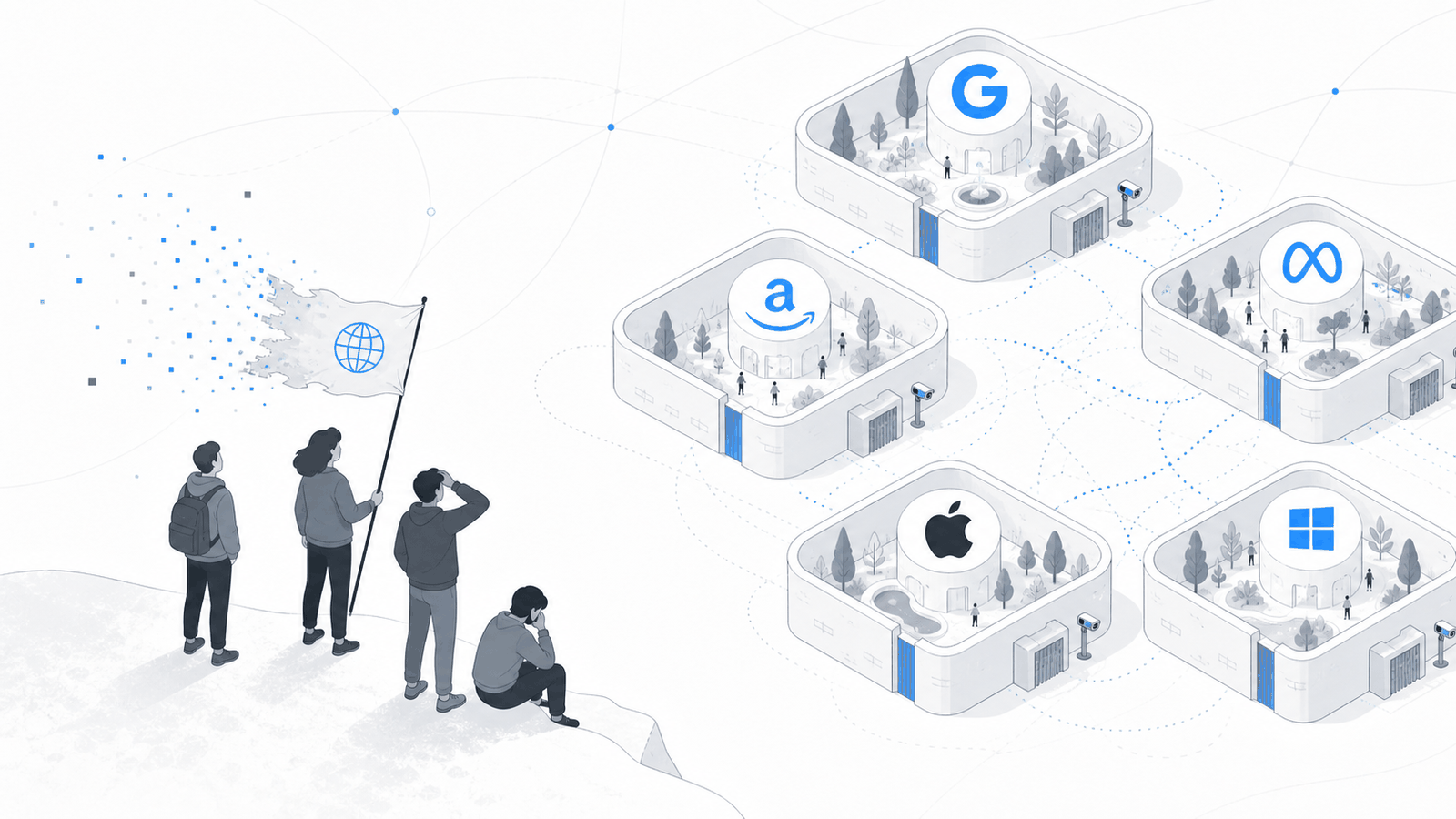
In the minds of most ordinary people, the internet of 2026 is roughly five apps: Google (search), YouTube (video), Facebook/Instagram (social), Amazon (shopping), and TikTok (short video). You wake up, open your phone, switch between these apps, occasionally use a browser to look something up. The internet, to you, is essentially the service interface of these few corporations.
This isn’t a misperception. The data backs it up:
- In 2026, global ad spend will surpass $1 trillion for the first time, with digital advertising accounting for roughly $950 billion.
- Google, Meta, and Amazon alone capture 51% of global ad revenue (outside China, that share reaches 61%).
- By traffic rankings, the top five most-visited sites in the world all belong to Google and Meta.
Advertising — something that seems completely unrelated to 「internet freedom」 — turns out to be the root cause of everything.
The Hidden Cost of the Ad Economy: Why Nobody Fights Anymore
To understand how the internet became what it is today, I’d ask you to look at one number: $950 billion.
That’s the size of the global digital advertising market in 2026. How is that money made?
The answer: personalized, targeted advertising. You search for 「running shoes」 on site A, then open site B, app C, social platform D — and running shoes follow you everywhere. Behind this is an enormously complex tracking apparatus: your browsing history, click behavior, geographic location, social graph, even how many seconds you lingered on a particular page — all collected, analyzed, and resold.
The core logic of this system: whoever holds the most user data can sell the most expensive ads. And whoever sells the most expensive ads can squeeze competitors out of the market. Eventually, internet traffic and revenue concentrate into a handful of giant platforms.
This is the origin of the 「walled garden」 — every major platform races to enclose you within its ecosystem. The content you see on Facebook, the videos you watch on YouTube, the products you search on Amazon — all engineered to keep you from stepping outside. Stepping outside means they lose your data, and with it, ad revenue.
And when the internet is reduced to a few corporations’ walled gardens, a deeper transformation occurs: people no longer feel the internet is 「ours.」
Go back to Christine’s observation: during the 2012 SOPA fight, ordinary people actively asked 「what can I do?」 Because back then, the internet was a constellation of websites, forums, blogs, personal homepages — it looked like 「everyone’s thing.」 By 2026, the internet in ordinary people’s eyes is just 「a few companies’ products.」 When a product has a problem, the user’s response is 「the manufacturer should fix it,」 not 「I need to defend it.」
This psychological shift explains why, today, draconian internet regulation bills are advancing globally with near-total public indifference:
- The UK’s Online Safety Act took full effect in 2025, mandating age-verification systems on all websites;
- The EU followed in 2026 with EU-level age-verification technical standards;
- Multiple US states have passed similar laws, with the federal KOSA (Kids Online Safety Act) also advancing;
- Canada and Australia are moving in parallel.
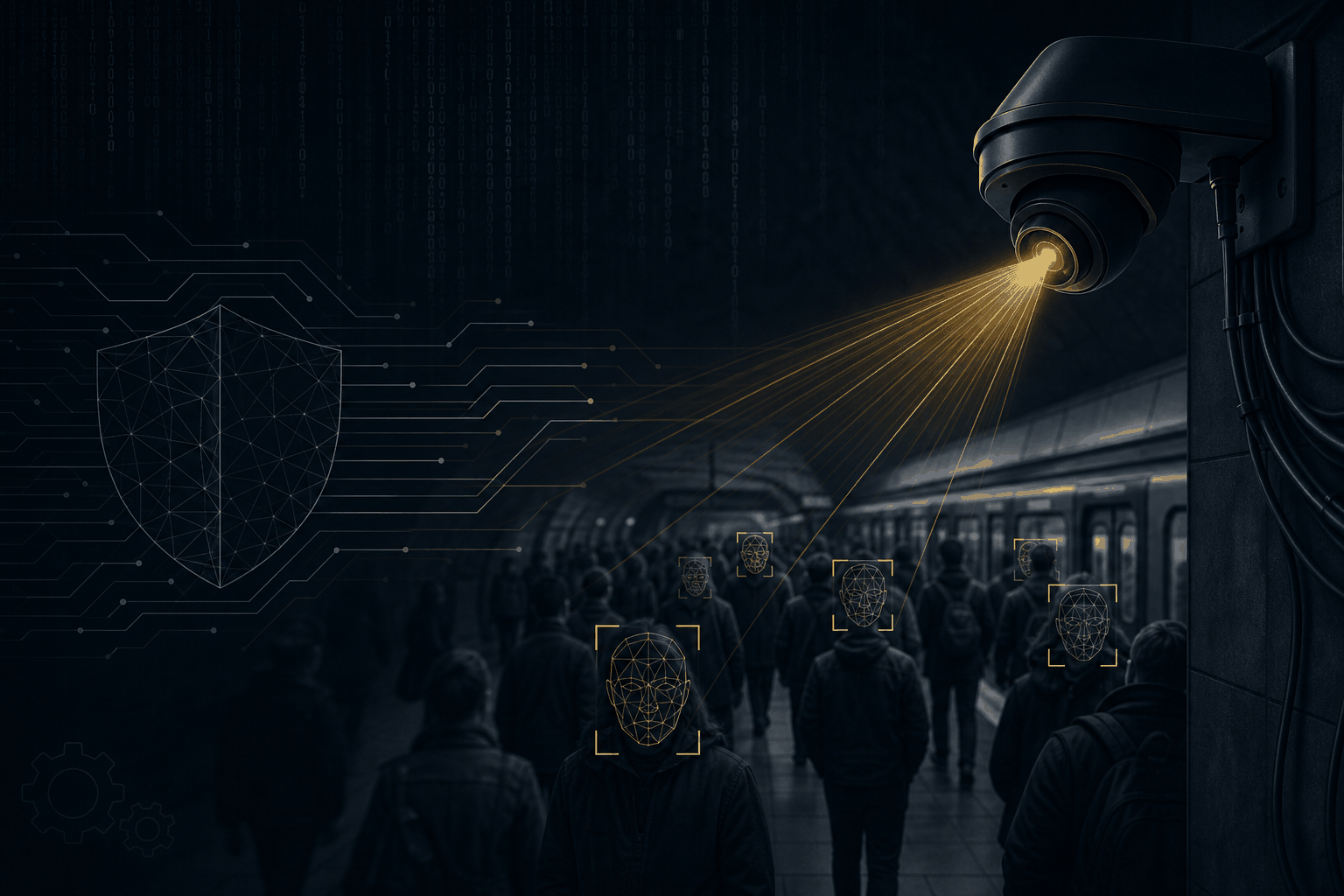
The common thread in these bills: under the banner of 「protecting children,」 they require websites to verify and monitor user identity. At a technical level, this means the entire internet becomes a vast surveillance system — because verifying age requires collecting identity information; collecting identity information requires building centralized verification platforms.
And here’s the bitter irony: the big companies welcome these bills the most. Small websites can’t afford the compliance costs — they either shut down or sell out. Big platforms have legal teams and verification infrastructure already in place, allowing them to further entrench their monopoly positions.
「If I Were King for a Day, I’d Ban Targeted Advertising」
On Lobsters, Christine’s post sparked fierce discussion. One comment garnered 93 upvotes, the highest in the thread. The author described himself as a 「former amateur activist from the net neutrality era」 — the kind of person who wrote letters to representatives and donated money.
Here’s what he wrote:
「The internet in 2026 is a broken place. My old belief that ‘free speech is the foundation of society’ now just looks naive. If I could be king for a day, I’d ban personalized targeted advertising and only allow context-based ads — it would destroy the economic incentive for attention harvesting and solve the privacy problem at the same time.」
A reply below was even more blunt, with 57 upvotes:
「One hundred percent agree. Ban targeted ads, ban algorithmic recommendation feeds, throw the CEOs in jail. But it feels like the probability of any of that is zero. Can’t even muster hope.」
「Can’t even muster hope」 — that line is the most chilling part of this entire discussion.
This isn’t anger, or protest, or even pessimism. It’s something more total than pessimism: surrender.
People who once campaigned tirelessly for internet freedom are now saying 「I don’t dare even hope.」 Because they’ve seen clearly: the opponent in this fight isn’t a particular bill or politician — it’s a fully mature, smoothly functioning economic machine.
The machine’s logic runs like this:
- Internet services are offered to users for free;
- Free is funded by collecting user data;
- Data collection exists to sell targeted ads;
- More precise targeting means higher platform revenue;
- Higher revenue means greater ability to acquire or squeeze out smaller competitors;
- This produces a monopoly landscape of a few giant platforms;
- Under monopoly, ordinary people no longer feel the internet is 「theirs」;
- Without a sense of ownership, nobody fights for it anymore.
Look closely at this chain and you’ll notice: step one — 「free」 — is the entrance to the entire trap. We’ve enjoyed two decades of free internet, paying with our attention and privacy rights, and ultimately: ownership of the internet itself.
Coda: What the Fight Was For
I don’t want to end this with a rousing 「but there’s still hope」 — that would do a disservice to the people on Lobsters saying they can’t even muster hope.
Christine closed her post with a passage that feels like the most honest thing anyone could say right now:
「Decentralized, encrypted communication is the only thing left we can fight for. We have to fight. For ourselves, for our children, for the future.」
She didn’t say 「we’re going to win.」 She just said: we have to fight.
Fourteen years ago, people fought for the internet because it was worth it. Today, the veterans are giving up because they’ve seen how vast the opposing force really is. But Christine is still writing blog posts, still urging people to install operating systems that aren’t Google’s or Apple’s, still telling people to 「start blogging again.」
Maybe the shape of the fight has changed. It’s no longer millions marching in the streets against a single bill. It’s each person making a small choice, every day: which search engine to use, which browser to install, who to hand your data to.
This isn’t a war that will produce a clear winner or loser. It’s a long, grinding struggle over the question of 「who does the internet belong to?」 And in this summer of 2026, at least a few people still refuse to let go.
References:
- Christine Lemmer-Webber, “What happened to the fight for the Internet?” dustycloud.org, 2026-06-30. https://dustycloud.org/blog/what-happened-to-the-fight-for-the-internet/
- Lobsters discussion (78 comments), 2026-07-01. https://lobste.rs/s/rfkmw3/what_happened_fight_for_internet
- “Protests against SOPA and PIPA,” Wikipedia. https://en.wikipedia.org/wiki/Protests_against_SOPA_and_PIPA
- “Global Ad Spend Set to Surpass $1 Trillion for the First Time in 2026,” Dentsu, 2025-12-03. https://www.dentsu.com/news-releases/global-ad-spend-set-to-surpass-one-trillion-for-the-first-time-in-2026-as-the-algorithmic-era-redefines-growth
- “Google, Meta, Amazon’s combined share of global ad revenues hits 51% in 2024,” BestMediaInfo, 2024-12-09. https://bestmediainfo.com/insights/google-meta-amazons-combined-share-of-global-ad-revenues-hits-51-in-2024-magna-8326244
- “Age Verification Laws Around the World (2026 Guide),” DeepIDV, 2026-03-24. https://www.deepidv.com/media/articles/age-verification-laws-around-the-world-2026-regulatory-map
- “Digital advertising worldwide - statistics & facts,” Statista, 2026-02-25. https://www.statista.com/topics/7666/internet-advertising-worldwide/
- “Digital Privacy Trends 2026,” eMarketer, 2026-04-07. https://www.emarketer.com/content/digital-privacy-trends-2026
Note: The source site dustycloud.org has no usable content images (only site logo, navigation buttons, and CC license icons). Cover image section left empty.