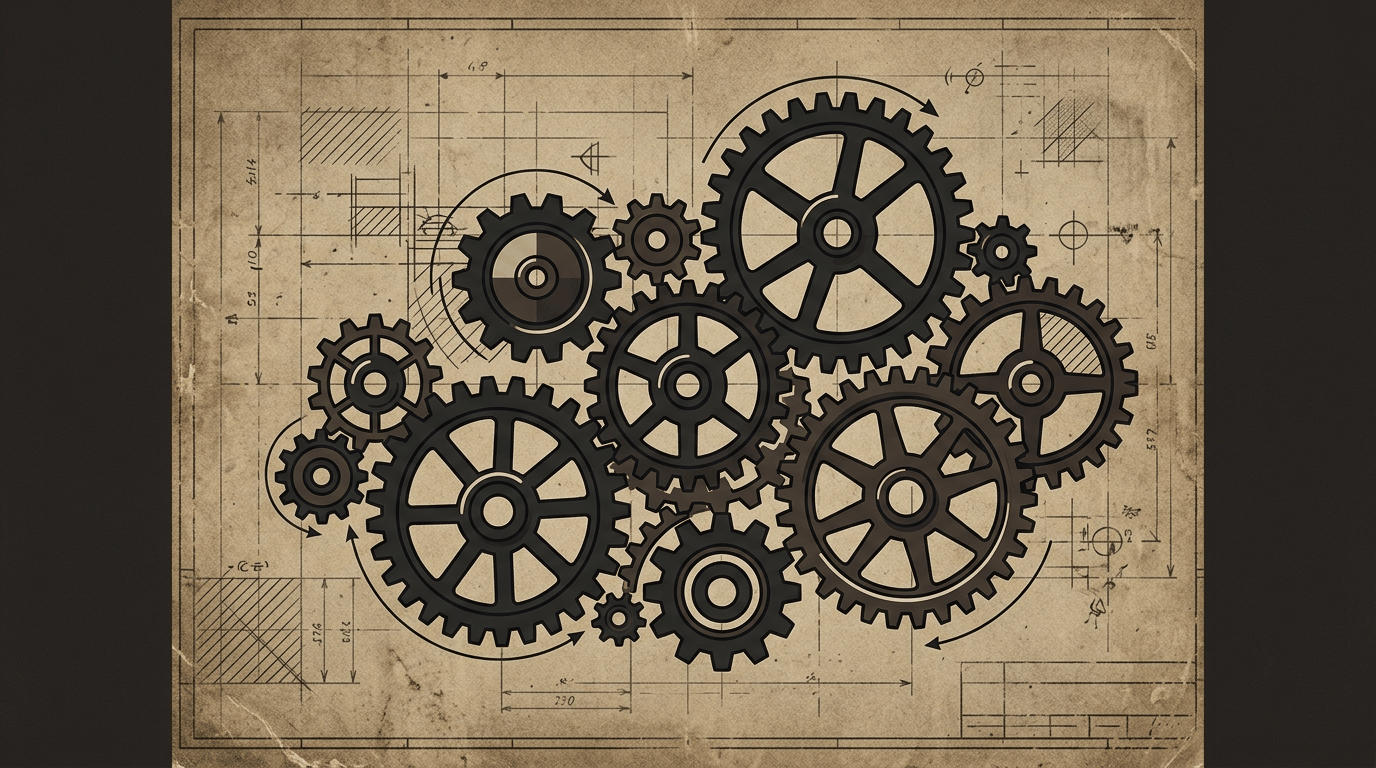
On August 27, 2026, an old book published in 1868 surged to the top of Hacker News, scoring 426 points. Titled Five Hundred and Seven Mechanical Movements, the book contains no code, only gears, linkages, and pulleys. A developer spent years turning these static blueprints from the Industrial Revolution page by page into interactive web animations.
A Paper Cheatsheet from the Industrial Revolution
Five Hundred and Seven Mechanical Movements was originally a handy reference guide for 19th-century inventors. It feels remarkably similar to a modern programmer’s snippet library, except it’s filled with kinematic functions of the physical world. Each mechanism in the book represents a specific solution for translating one type of motion into another.
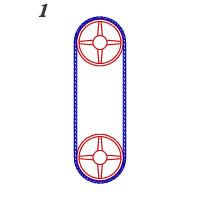 Image: Original illustration of a band and pulley mechanism. Source: 507movements.com
When the site went live, it immediately drew massive attention from the tech community. This proves that even as we are bombarded by large language models daily, the most cutting-edge software engineers still hold a deep reverence for pure, rigid physical logic. The worst a code bug can do is throw an exception, but a misaligned gear will snap on the spot.
Pixel Generation vs. Rigid Constraints
After the project went viral, discussions in the comment section turned to the possibility of using AI to batch-convert these blueprints into 3D animations. Here lies a stark technological contrast. Current video generation models can instantly hallucinate a steampunk-style gear train, but they generally fail to grasp gear ratios and interference.
AI-generated gears often clip through each other or form deadlocked structures that could never actually turn. LLMs predict the next pixel based on probability, while mechanical movements rely on deterministic physical and geometric constraints. Making a blueprint truly move requires the developer to thoroughly understand the dead centers of linkages—a boundary that sheer compute power cannot easily cross at the moment.
Reviving Every Linkage by Hand
Animating all 507 mechanisms is a project that tests extreme patience. The developer couldn’t rely on auto-tracing tools; they had to first reconstruct the relative kinematic relationships of each part in their mind, and then define their constraint conditions in code. Behind every smoothly rotating cam is a human mind reconstructing mechanical principles.
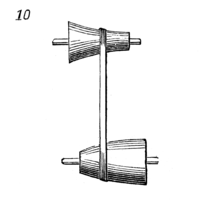 Image: Original illustration of a variable-speed conical pulley mechanism. Source: 507movements.com
This tedious yet precise approach stands in sharp contrast to today’s efficiency-first mindset of one-click generation. It demonstrates that in the face of physical laws, profound domain knowledge remains a moat that cannot be easily encapsulated. Human understanding of mechanical kinematics is still the core driver making these blueprints run.
The Irreplaceability of Physical Intuition
Regarding whether AI can replace humans in completing this kind of mechanical restoration, there are highly divergent voices in the community. Optimists believe that as long as enough CAD data is provided, multimodal AI will eventually output perfect physics-constrained animations. Conservatives insist that models lacking an internalized understanding of real-world physics will forever only generate superficial illusions.
The author still has many blind spots regarding the low-level integration of mechanical engineering and AI models; the above are merely superficial observations based on current technological boundaries. But the significance of this event transcends the blueprints themselves. In an era where AI generates everything, turning pages of static drawings into moving mechanisms still requires human comprehension of mechanics. No matter how dazzling generation tech becomes, the physical world always follows its oldest rules.
References:
- Hacker News Discussion Thread
- 507movements Website