In August 2026, Motorola confirmed it will launch a flagship phone with official GrapheneOS support in 2027. To get their hands on this device, which features enhanced memory protection and duress PIN wipe capabilities, consumers will face a steep pricing threshold well over $900.
Hardware Requirements Drive Up Security Premium
GrapheneOS has extremely stringent standards for hardware security capabilities. Currently, only Google Tensor and Qualcomm’s most expensive Snapdragon 8-series chips meet the system’s requirements for low-level permissions and hardware isolation.
This hardware filtering directly dictates the final retail price of the device. Digital security has effectively become a hardware moat that must be bought with cold, hard cash.
 Image: Motorola × GrapheneOS collaboration key visual. Source: Ars Technica
The Morphing Form of Privacy Protection
Looking at Motorola’s product roadmap, the situation appears even more extreme. The company didn’t update its non-folding Edge series in 2026, strongly suggesting that the 2027 GrapheneOS-powered model will likely be a folding flagship.
This device certainly offers fine-grained network permissions and customizable app sandboxing. But when anti-surveillance capabilities are forcibly tied to a high-premium form factor like a foldable screen, privacy protection completely degrades into a luxury experience for the few.
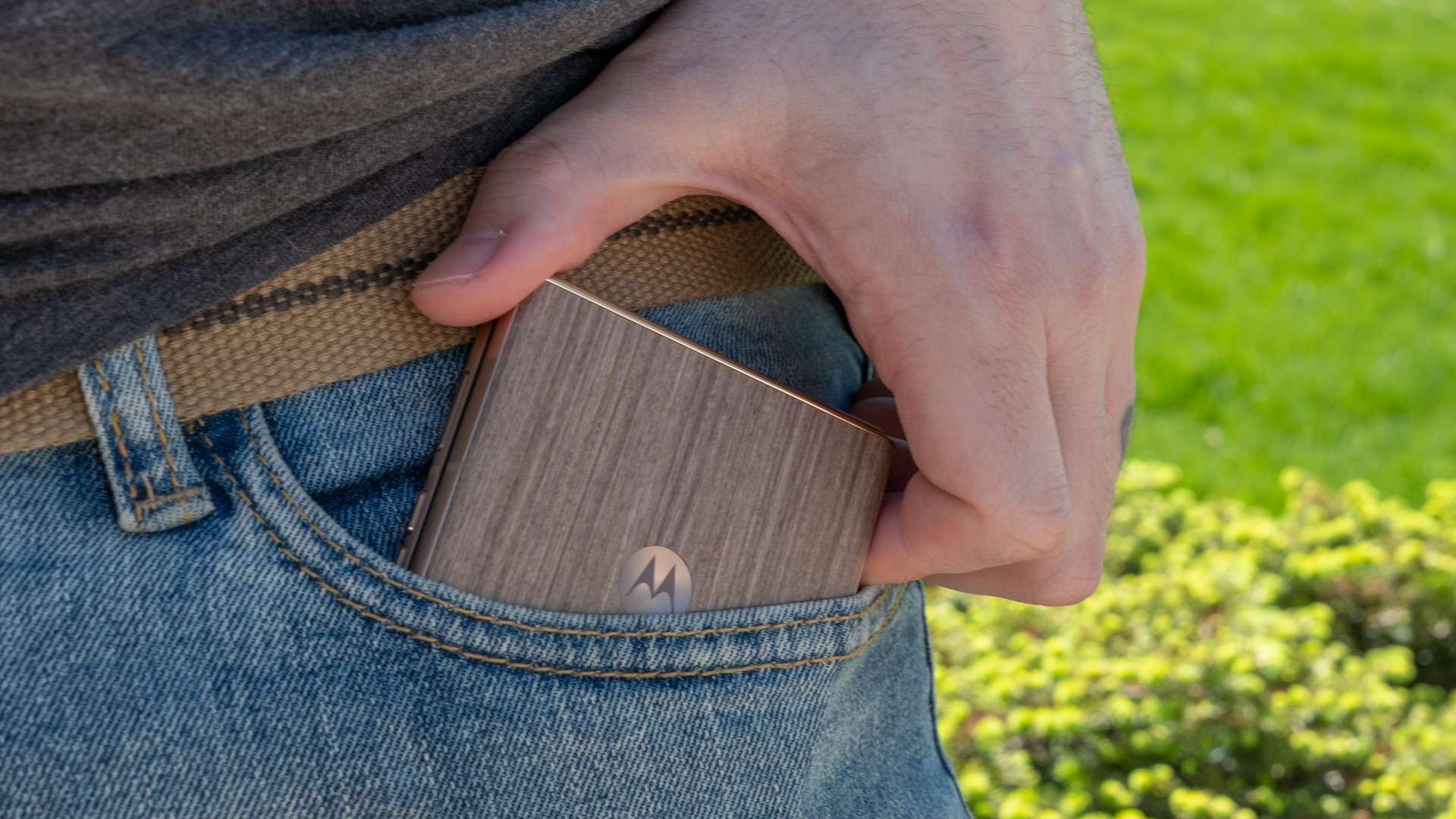 Image: Motorola Razr Ultra foldable phone. Source: Ars Technica
Geek Ideals Collide with Commercial Reality
The partnership between Motorola and GrapheneOS provides a robust defense option for the Android ecosystem, but it also sparks debate over tech inclusivity. Supporters argue this pushes the commercialization of privacy hardware, while critics worry it exacerbates the stratification of security capabilities.
Marginalized groups who most desperately need protection against digital tracking are often the ones least able to afford such exorbitant device costs. It is my assessment that if privacy protection is reduced to a perk for the wealthy, its social value will be severely undermined. This is merely a preliminary analysis; whether this high-priced device can ultimately find a balance between commerce and security remains to be tested by the market.
References:
- Ars Technica Report
- HN Discussion (item?id=XXXXX)