
On October 26, 2026, Microsoft Chief People Officer Amy Coleman issued an internal company-wide memo announcing a voluntary exit package offered to roughly 60,000 employees. That figure encompasses more than a quarter of Microsoft’s global workforce. The official stance remained characteristically composed: management emphasized that the initiative is not a layoff.
There is no attendance policing, nor performance quota trimming; tenure and age thresholds have been completely stripped away. Eligibility spans from newly onboarded junior engineers all the way up to budget-holding general managers. Even senior executives carrying vice president titles are eligible to apply. Provided their organization is participating, anyone within scope can take the package and walk.
Stripping Away All Gates: Even Vice Presidents Can Take the Money
The buyout program spans a broad range of teams across the United States, Canada, the United Kingdom, and India. As of late June 2026, Microsoft reported a total headcount of 223,000 worldwide—already down a net 5,000 employees compared to a year earlier. Opening an immediate exit ramp to 60,000 workers at once marks an unprecedented scale.
Compared to the voluntary retirement initiative Microsoft piloted in the spring of 2026, the underlying strategic playbook has pivoted sharply. That earlier pilot was confined strictly to the United States and capped at L67 senior directors and below. Furthermore, employees had to satisfy a stringent combined formula of age and years of service. Only about 8,750 people qualified, with over 30% eventually opting to accept. At the time, leadership repeatedly underscored that the offer was merely a one-off experiment.
A few months later, every one of those restrictions has been dismantled. The new framework reaches up to internal level L70. General managers and select vice presidents are explicitly included—excluding only corporate vice presidents in top executive leadership. The goal has shifted far beyond letting senior personnel retire early; it is an across-the-board organizational deleveraging.
Data Centers Gulp Billions, Forcing Headcount Concessions
The immediate catalyst driving this decision is Wall Street’s unforgiving scrutiny of operational margins. Microsoft must deliver stellar profitability metrics to capital markets while simultaneously pouring staggering sums of cash into next-generation AI infrastructure.
Building hyperscale data centers is a voracious cash furnace. From accelerator chips priced at tens of thousands of dollars apiece to dedicated electrical substations and industrial cooling plants, Microsoft is deploying tens of billions of dollars per quarter into physical facilities. These outlays drive up capital expenditures (CapEx) directly, setting the stage for heavy depreciation charges over the coming years.
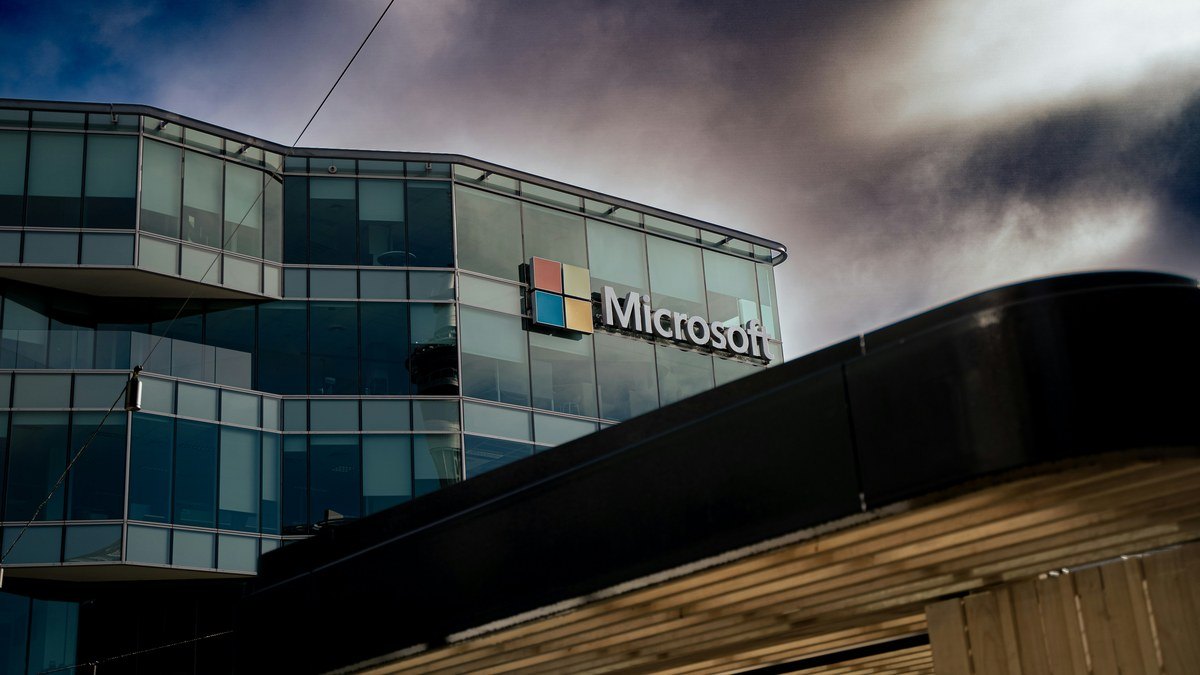 Photo: An office building on the Microsoft campus. Notice the empty, quiet reflection on the glass facade. In contrast to Silicon Valley’s standard playbook of sudden, sweeping layoffs, Microsoft has chosen a gentler buyout ramp, aiming to re-engineer the organization in relative silence. Source: GeekWire / Unsplash (Photo by Dasharath Sunar)
Investors are willing to grant tech giants leeway when buying physical hardware, but Wall Street has zero tolerance for bloated day-to-day operational expenses (OpEx). If payroll for engineering and management continues to expand unchecked, the company’s free cash flow will face a painful pincer squeeze. Trimming recurring personnel overhead has become the most direct lever to cushion the crushing bill for compute infrastructure.
Sidestepping the Layoff Backlash with Higher Turnover Efficiency
In an environment where peers resort to harsh workforce reductions, Microsoft’s buyout strategy stands out. Meta relied on aggressive flash layoffs to slash tens of thousands of roles. Amazon leveraged strict five-day return-to-office mandates to push employees out the door voluntarily. Google has engaged in relentless departmental reorganizations and carve-outs.
While those aggressive tactics save upfront severance money, they inevitably ignite severe internal turmoil. Staff burn productive hours second-guessing layoff lists, often accelerating the departure of elite engineering talent.
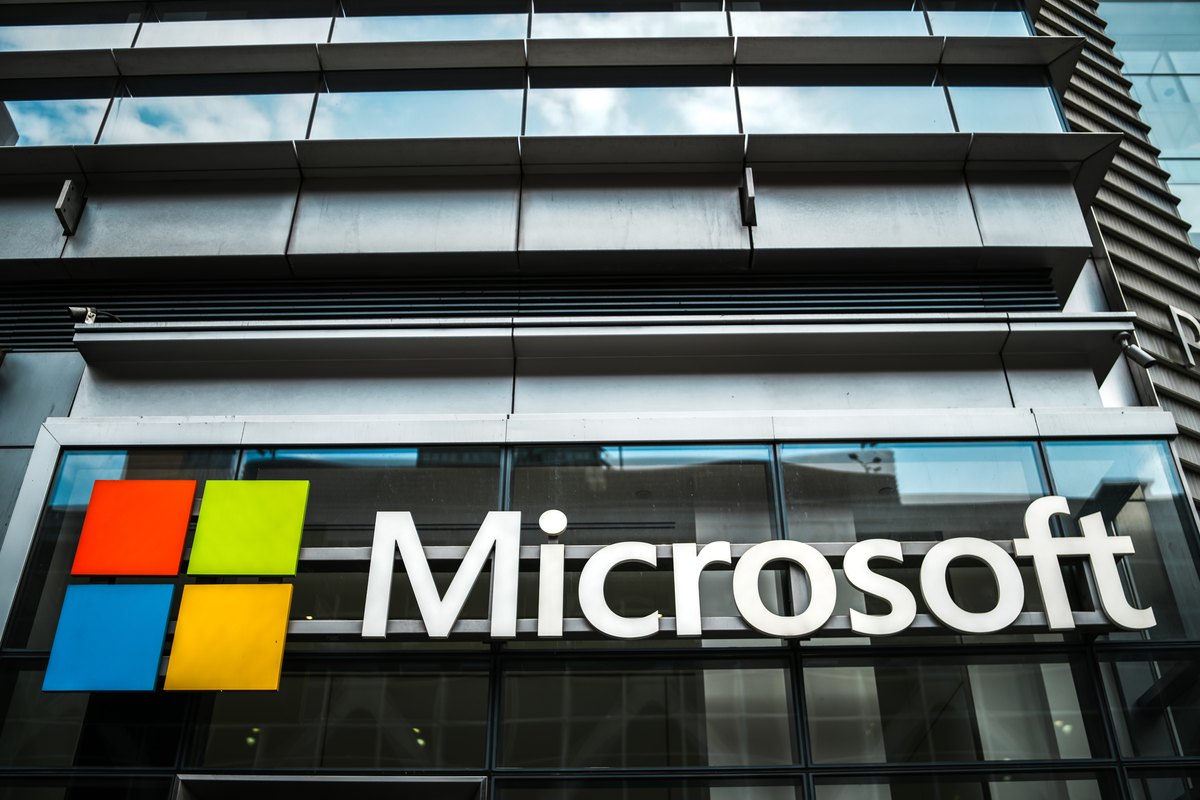 Photo: A Microsoft storefront in Manhattan. Note the ongoing marginalization of consumer-facing operations. Capital expenditure has rotated entirely toward cloud data centers and AI clusters. Traditional software and retail teams are absorbing the immediate brunt of reorganization. Source: TechCrunch / Getty Images
Microsoft elected instead to pay a predictable cash premium in exchange for a smooth transition. The separation package mirrors standard severance terms: salary prorated by years of tenure, accelerated vesting of unvested equity, subsidized healthcare continuation for a defined period, and career transition assistance. Crucially, the most generous feature of the spring pilot—long-term extended healthcare coverage—was eliminated.
The financial arithmetic is deliberate. By stripping out expensive lifetime medical benefits, the per-capita buyout liability remains strictly capped. The company sidesteps regulatory scrutiny and public outcry while freeing up headcount allocations across business units in short order.
Eighteen Months of Engineering Idling: Reorganization Debt Comes Due
Amid heated discussions across developer communities, a personal account by a former Microsoft engineer struck a broad chord. An eight-year veteran who reached level L63 described spending his final 18 months at the company virtually idling.
During those nearly year-and-a-half months, his organization underwent relentless restructuring cycles. Strategic roadmaps flipped back and forth, and teams were repeatedly dismantled and reassembled. He and dozens of well-compensated colleagues found themselves squandering workdays in endless, inconsequential coordination meetings. In June 2026, he finally decided to submit his resignation.
His experience highlights the lingering hangover of hyper-expansion. During prior boom cycles, Microsoft amassed vast teams dedicated to legacy desktop software and internal toolchains. As strategic focus pivoted overwhelmingly to foundation models, the operational priority of traditional teams evaporated.
Maintaining redundant organizations burns hundreds of millions of dollars in monthly compensation. A clear, fixed-price buyout package breaks the organizational deadlock, turning chronic internal friction into a one-time accounting charge.
Slashing Payroll Overhead to Fund Kilowatts and Compute
Employees have been given until the first week of December to make their final decision. While management expects the acceptance rate to fall below the 30% seen in the spring pilot, even a few thousand departures will permanently wipe hundreds of millions of dollars in fixed payroll commitments off the books.
This illustrates the starkest reality of the current technological transition. The massive productivity gains promised by generative AI have yet to fully materialize in everyday enterprise workflows. Yet on the corporate balance sheet, the cost substitution is already running full throttle. Companies paint glowing portraits of an automated future, while their ledgers quietly buy out human employment contracts.
Departing engineers will walk away with severance checks, while the data halls they leave behind hum around the clock with screaming server racks. Vacated desks are being recycled directly into utility bills and silicon invoices. The message behind this buyout is unmistakable: in an era where compute consumes everything, the expansion of the machine must begin with the contraction of the human payroll.
Reference Links:
- GeekWire Report
- CNBC Report
- Reuters Coverage
- TechCrunch Coverage
- Hacker News Discussion