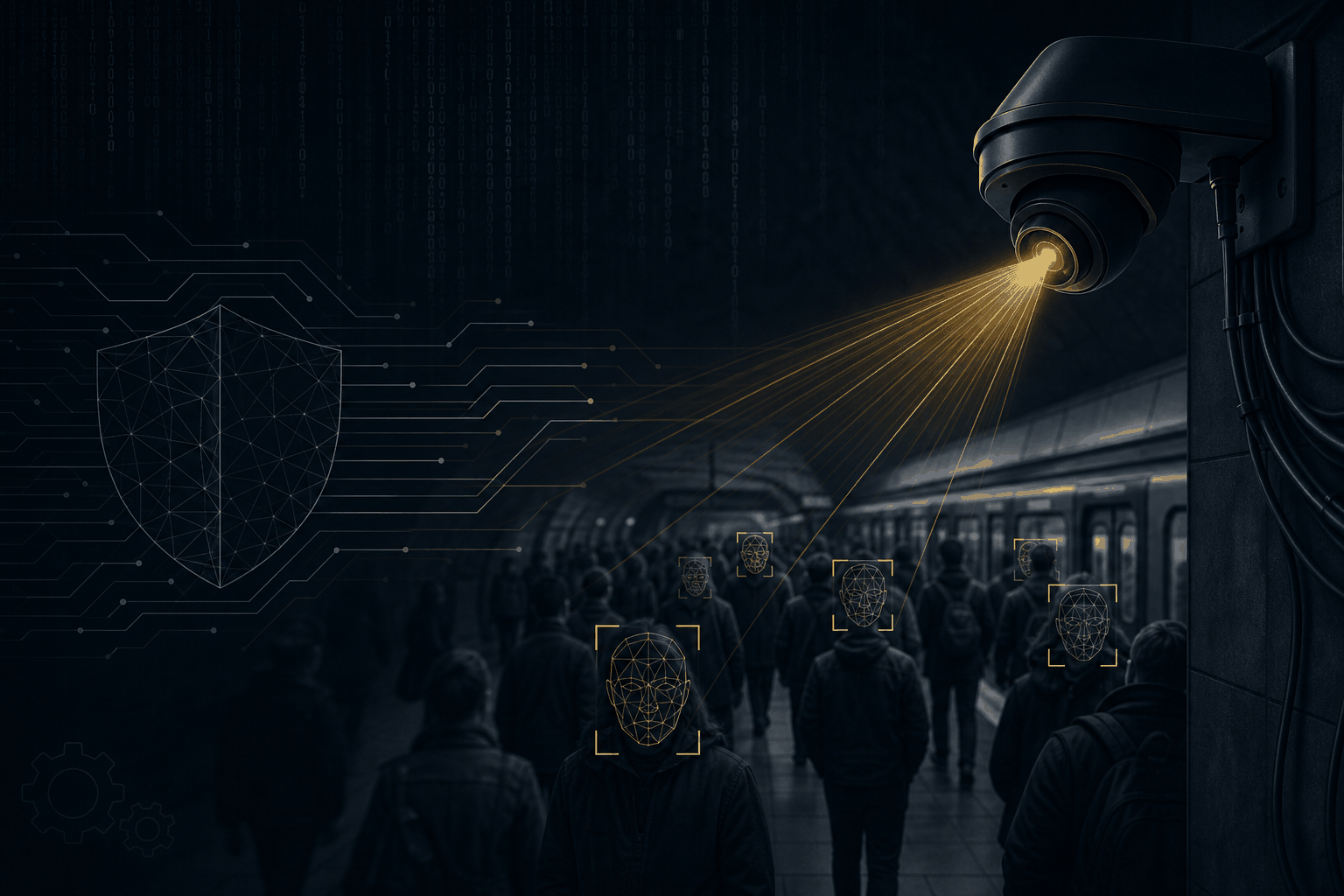
At its September 2026 keynote, Apple introduced two ambient always-listening features to newer Apple Watch models: Live Rewind, which lets users rewind the last 15 seconds of ambient audio and produce a text transcription, and Siri Recap, which continuously listens throughout the day to compile conversations into high-level summaries.
Fortress for the Wearer, Black Hole for the Bystander
Apple accompanied this always-listening feature with an exceptionally rigorous security framework. The device does not record or store raw audio files; viewing a transcript requires pressing a physical button on the watch, and the transcript buffer is cleared immediately upon generation. For Siri Recap, which parses conversations around the clock, generated summaries are end-to-end encrypted and stored on the user’s iPhone. Official security white papers emphasize that not even Apple can read this data.
End-to-end encryption, on-device transcription inside the Secure Enclave, zero persistent raw audio—these security promises are undeniably robust. Yet this airtight security architecture exclusively protects the watch wearer; anyone sitting across the table has no technical means to opt out or object.
In this interaction, bystander privacy drops to zero. As digital privacy and security expert Em pointed out, this milestone signals that ambient data-gathering gadgets are turning 24/7, pervasive collection into the new normal—and the subjects of that collection include those who neither wear nor purchased such devices. As Adam Schwartz, Privacy Litigation Director at the Electronic Frontier Foundation (EFF), noted, because conversational partners have no practical way to consent to or decline being transcribed, they lose control over the privacy of their own speech. Bloomberg also reported that legal scholars have flagged conflicts with wiretapping laws in several US states that mandate all-party consent, requiring permission from everyone present before recording. Enabling always-listening unilaterally is bound to trigger widespread litigation.
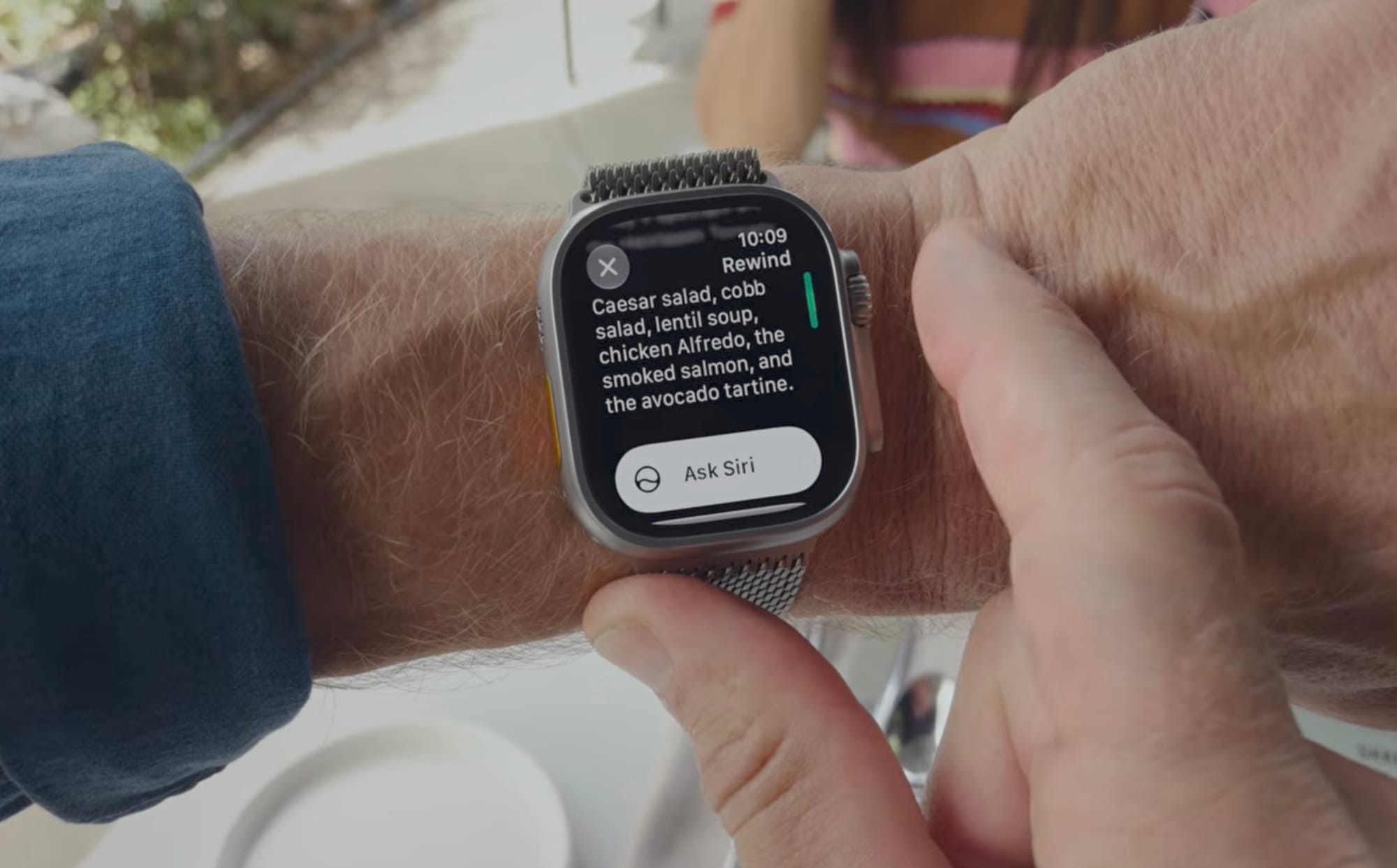 Photo: A user raises their wrist to view the Apple Watch Rewind interface, showing transcribed text: “Caesar salad, cobb salad, lentil soup…” Source: this week in security
Assistive Tech or Mass Surveillance?
As always-listening devices enter mass-market consumer electronics, the primary controversy centers on whether their existence is justified. On the developer community Lobsters, the topic sparked fierce debate (105 points, 85 comments), and the clashes in the thread directly mirrored the social fractures caused by this technological shift.
Proponents highlighted real-world accessibility struggles: for people who are hard of hearing, individuals with ADHD, and those with sensory processing disorders, tracking and recalling every word in noisy environments is an exhausting challenge. For them, real-time audio rewind and transcription are indispensable accessibility lifelines. Commenter vakradrz criticized opponents for lacking empathy toward people with common cognitive and sensory conditions, with some pointing out that individuals with hearing impairments have long used ambient-listening assistive devices.
However, fierce pushback came not only from ordinary users, but from members of these very communities. User mtset, who identified as having ADHD, made it clear that despite having such needs, they deeply value privacy and oppose this approach. Commenter mort took a sharper stance, arguing that claiming “we need intrusive always-listening hardware on our wrists because people with ADHD are too incompetent to ask someone to repeat themselves” is fundamentally ableist.
The cautionary tales of smart glasses remain fresh in memory. Smart glasses from Meta and Snap, by circumventing interpersonal consent for capture, have already exacerbated real-world harassment and boundary-crossing. Rolling out assistive capabilities originally designed for specific accommodations to all consumer devices effectively uses the acute needs of a small group to force everyone else to surrender their privacy. Commenter manfred observed that while smartphone cameras are ubiquitous, phones do not record video 24/7. Society’s ability to coexist respectfully with cameras rests precisely on default social norms: not continuously recording others, and obtaining consent before filming. Once that implicit pact is broken, pervasive surveillance becomes inevitable.
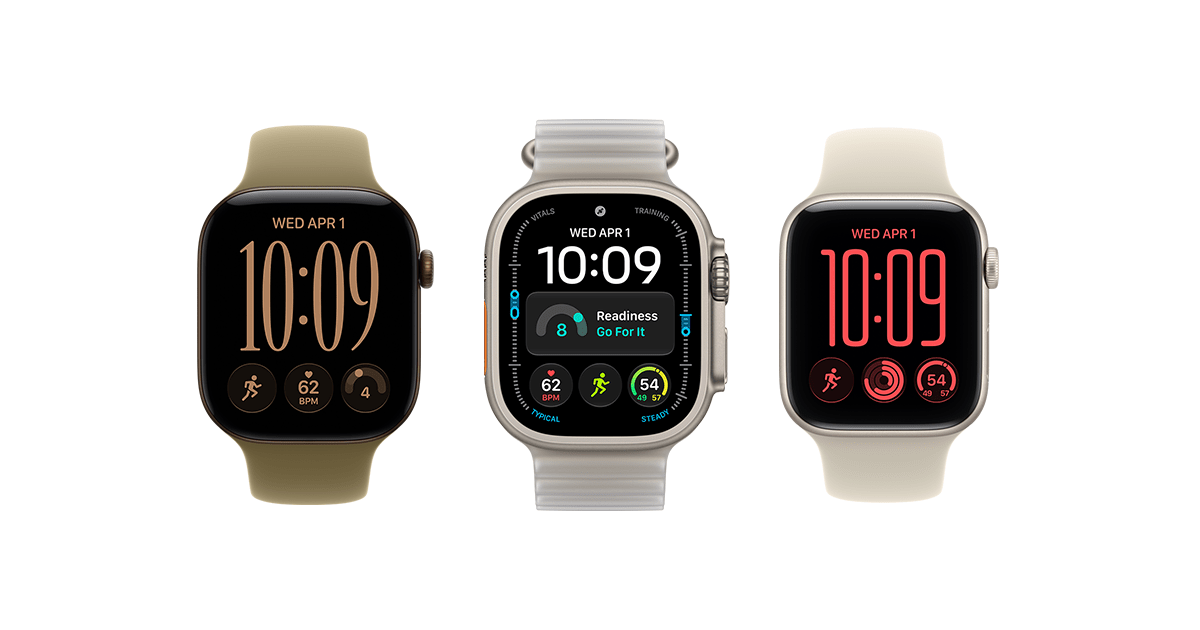 Photo: Apple Watch official product image. Source: Apple
Privacy Cannot Merely Be an Individual Responsibility
A closer look at the 85 comments on Lobsters makes the core disagreement remarkably clear: the debate points squarely at how device makers bundle product definitions.
One developer astutely pointed out that while hearing aids have historically listened all day, they never transcribed or stored everything spoken around the wearer. Although Apple stresses that speech-to-text happens locally and raw audio is never uploaded, user vivicat reminded readers that with Siri Recap, encrypted text transcripts are still sent off-device to Private Cloud Compute servers to generate summaries. Audio may not be uploaded, but that does not mean text containing sensitive conversations stays on the device.
The root of the conflict is that manufacturers have forcefully bundled two distinct capabilities: “transcription,” which assists the wearer, and “retention,” which imposes massive risks on bystanders. As commenter gcupc, who lives with a sensory processing disorder, noted, providing live subtitles in a noisy room is one thing; retaining conversational context and generating retrospective summaries crosses into violating other people’s rights.
On its official product pages, Apple attempts to downplay this friction, merely advising users to “be mindful of those around you who may be having private or sensitive conversations.” Thorin Klosowski, Senior Staff Activist at the EFF, highlighted that this phrasing reflects Big Tech’s growing tendency to frame privacy as an “individual responsibility.” In this narrative, respecting others’ privacy is reduced to the wearer’s personal etiquette.
Yet privacy has never been merely an individual responsibility; it is a collective enterprise resting on both personal agency and shared social contracts. Putting always-listening hardware onto consumer watches effectively outsources one’s privacy defense to the stranger sitting across the table. When every cryptographic safeguard shields the wearer while the entire burden of consent is offloaded onto bystanders without watches, a device marketed as privacy-protective has, in truth, stripped away the most fundamental right in social interaction: the right to say no.
Reference links:
- this week in security report
- Bloomberg report
- Control Alt Delete blog
- Electronic Frontier Foundation (EFF) commentary
- Lobsters community discussion