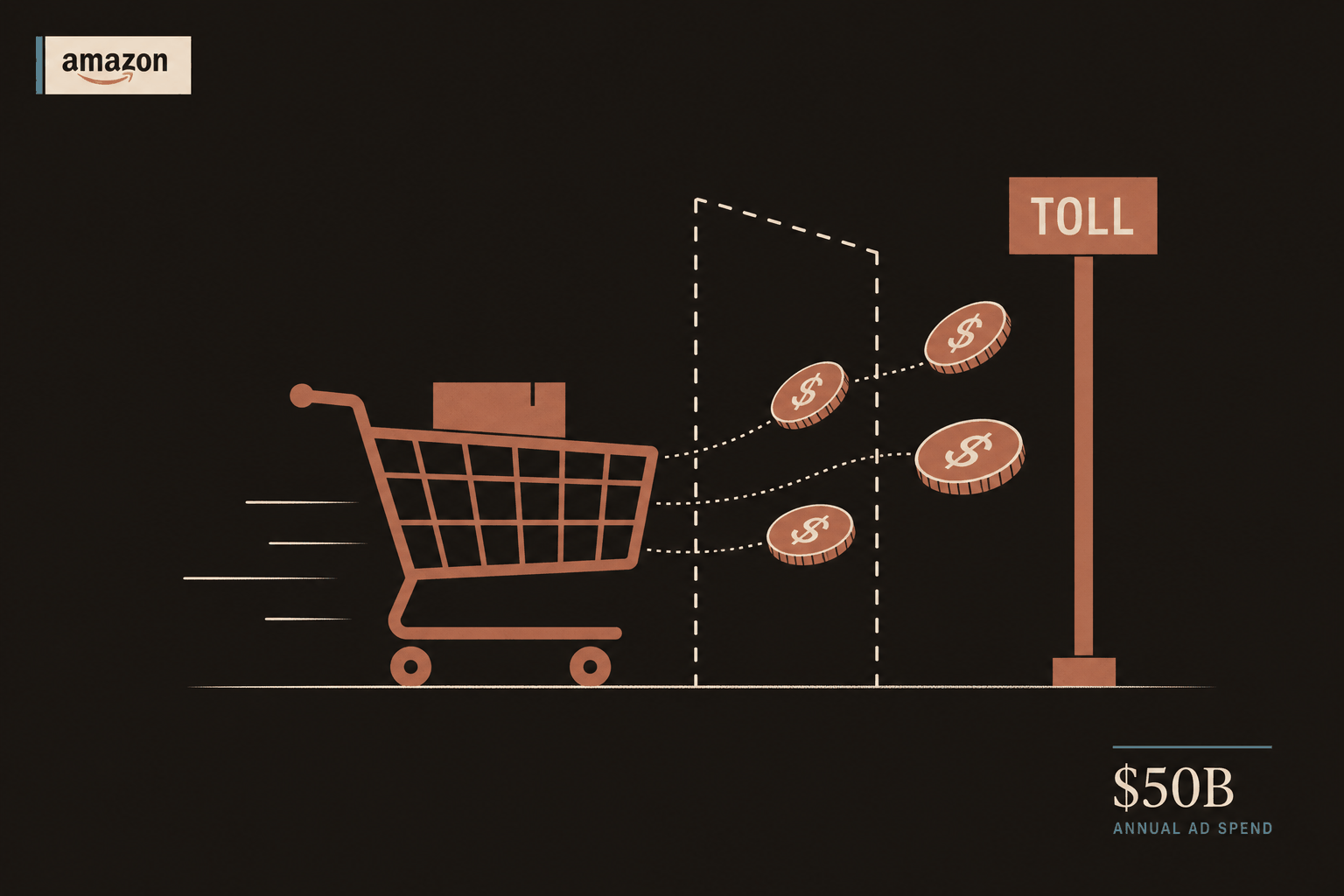
A Hacker News thread dissecting persistent promotional cards in iOS Settings quickly rocketed to 559 points and drew 427 comments within 24 hours. Users upgrading to recent firmware or unboxing new devices discovered prominent banner cards pushing iCloud+, Apple Music, and AppleCare+ right at the very top of the Settings app. What sparked intense fury across the developer community was not merely the upsell itself, but a deliberate design choice: Apple provided no clear dismiss button. Users were left with a persistent unread notification badge, forced to surrender screen real estate on a device they ostensibly owned.
400+ Comments Clash Over Device Ownership
In a discussion ranking as the second most debated topic of the day, sentiment coalesced around a singular grievance. When consumers pay a steep premium for an iPhone, the psychological transaction includes an unspoken social contract: this device will not treat me as an ad surface. The premium pays for A-series silicon compute and a clean, unobtrusive operating system. Placing persistent promotional banners at the highest level of system navigation directly mirrors Microsoft’s widely condemned practice of stuffing ads into the Windows Start menu.
Even more exasperating is the manipulative interaction logic. Numerous users reported that when confronted with Apple TV trials or iCloud+ promotions, the only way to clear them was waiting several weeks for them to naturally expire. Throughout that purgatory, an unread red badge permanently sat on the Settings icon, repeatedly nudging users to open the sales pitch. Even when an occasional collapse button appeared, tapping it often left the red badge and banner stubbornly intact.
This engineering indifference fundamentally strips users of control over their purchased hardware. Long-time customers already paying for the highest-tier iCloud+ plan still found themselves targeted with irrelevant upsells after system updates. While some attempted to dismiss this as a recommendation engine bug, the engineering team’s ongoing refusal to address it suggests a deliberate policy. Leaving the behavior intact reveals that business teams have placed impression quotas squarely ahead of foundational user experience.
Saturated Hardware Margins Turn the OS into a Distribution Channel
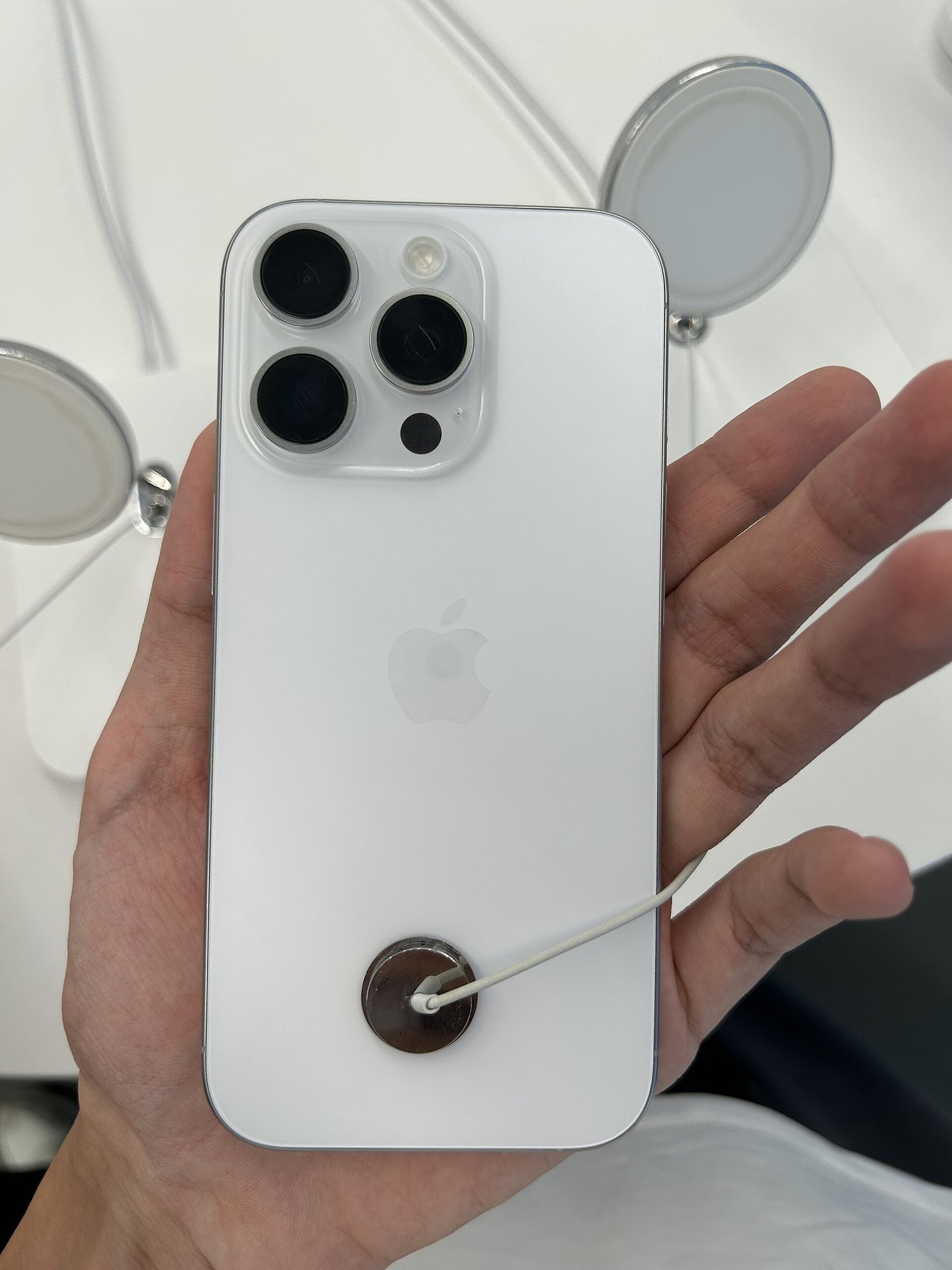 Photo: Back of an iPhone 16 Pro. Source: Wikimedia Commons, CC BY-SA 4.0
Breaking that implicit contract boils down to cold corporate arithmetic. Apple recently launched the iPhone 18 Pro lineup alongside the iPhone Duo, accompanied by another round of regional price hikes. Stagnating hardware breakthroughs paired with escalating price tags indicate that margins per device have collided with the physical limits of semiconductor scaling. When smartphone shipment volumes can no longer sustain Wall Street’s growth expectations, executive focus inevitably pivots toward high-margin services.
iCloud+, Apple Music, and AppleCare+ represent the core pillars of that recurring-revenue engine, tasked with carrying the company’s next phase of growth. To keep subscription metrics climbing, the once-neutral iOS interface has been repurposed into an in-house distribution funnel with billions of captive eyes. Converting the most frequented landing page of active devices into a showcase for company services delivers conversion rates that external ad buys could never match. This aggressive land grab reflects the reflexive playbook of tech giants facing revenue ceilings.
Here, two distinct business models clash head-on. Under the traditional purchase model, spending over a thousand dollars transfers complete ownership of the hardware to the buyer. But modern public-company finance demands that every device generate a steady annuity of recurring revenue over its three-to-five-year lifecycle. When those two philosophies collide, leadership invariably sacrifices user autonomy to protect the profit trajectory.
Denying a Dismiss Button Strips Away User Agency
What alarms developers most about system-level advertising is how privileged system access bypasses user defenses. Inside the App Store, power users can long-press the icon to jump directly to updates, using muscle memory to bypass the promotional storefront. But Settings governs fundamental toggles—Wi-Fi, Bluetooth, privacy, battery—a daily operational cockpit no user can avoid. Injecting promotions here is the digital equivalent of erecting an unpluggable neon billboard right in the center of someone’s living room.
This push also systematically deprives users of basic filtering agency. One senior developer lamented in the comments that the App Store still refuses to offer a simple “paid downloads only” toggle in search results. Leaving out basic filtering logic is never an engineering limitation; it demonstrates Apple’s deliberate policy of erecting barriers around any mechanism that might dilute its app distribution cut.
Faced with mandatory rendering from the system core, users lose even the basic right of refusal. In conventional digital advertising, providing a visible ‘X’ to close an ad represents the bare minimum compromise forged across the industry. That convention at least preserves a veneer of respect, granting the user a sense of agency. Omitting that button inside Settings is a blunt assertion of corporate dominance: on this hardware, the developer’s commercial agenda outranks the owner’s commands.
Android vs. iOS: A Fundamental Gulf in Defensive Agency
As frustration boiled over, the debate naturally expanded into an architectural comparison between platforms. Some participants pointed out that system ads on Android can be just as pervasive, especially on heavily customized overseas ROMs where budget manufacturers use system ads to subsidize cut-rate hardware. Yet among technical power users, the defensive ceiling between the two ecosystems remains fundamentally distinct.
| Platform Dimension | Official System-Level Ad Intrusion | Browser-Level Ad Blocking | Feasibility of Low-Level System Control |
|---|---|---|---|
| iOS Walled Garden | Increasing and refuses to provide dismiss buttons | Limited to Safari Web Extensions | Zero (excluding jailbreak scenarios) |
| Android Open Ecosystem | Varies widely by vendor business strategy | Supports full uBlock Origin deep blocking | Extremely high (supports flashing open-source custom ROMs) |
In Android’s open landscape, technically proficient users always retain the tools to reclaim sovereignty. Developers can unlock the bootloader and flash clean, open-source distributions like LineageOS, excising commercial tracking and promotion from source code. Even without flashing custom firmware, users can configure full-fledged desktop uBlock Origin in independent browser engines or rewrite local hosts files to block ads system-wide. That architectural openness provides an escape hatch for those unwilling to tolerate forced marketing.
By contrast, iOS sandboxing strictly forbids alternative browser rendering engines without Apple-controlled wrappers. Apple categorically prohibits standard users from gaining root access to alter local rendering logic in Settings or block remote configuration profiles. While that walled garden effectively blocks third-party malware, it also severs the user’s only mechanism for resisting official ad intrusion. When the platform operator decides to plant billboards inside the garden, walled-in users possess no technical recourse to fight back.
Unearthed 2010 Press Releases Shatter the Nostalgia Filter
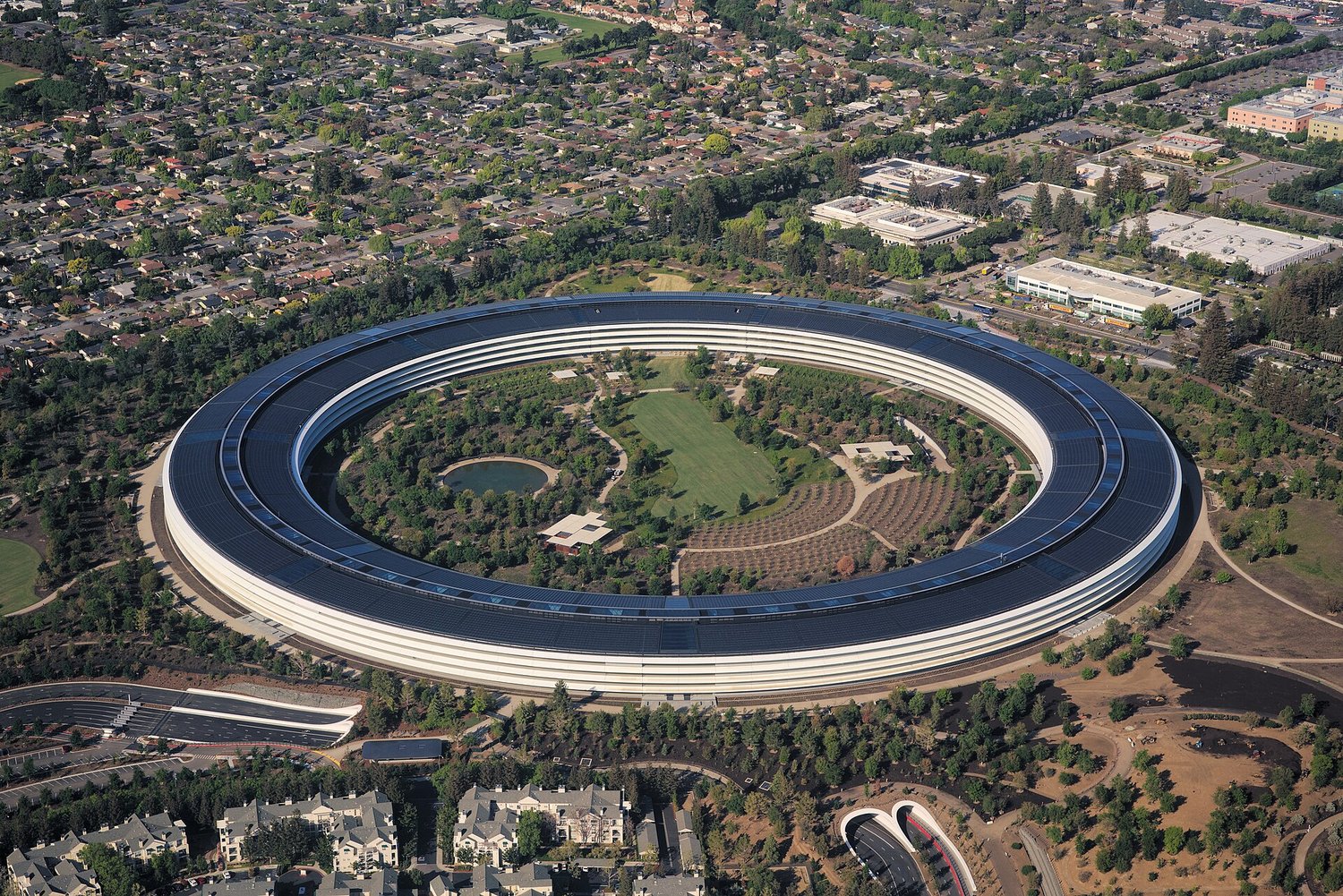 Photo: Aerial view of Apple Park in Cupertino. Source: Wikimedia Commons, CC BY-SA 4.0, photo by dllu
Amid the backlash, long-time Apple enthusiasts indulged in nostalgia, yearning for the uncompromising product aesthetics of the Steve Jobs era. Many blamed current management, framing the ads as a betrayal of early Apple ethos under commercial pressure. But developer sleuths quickly punctured that romanticized memory with cold archival evidence. Tech history is rarely as idealistic as collective memory suggests.
Engineers in the discussion promptly surfaced the 2010 press release where Steve Jobs personally took the stage to announce the iAd mobile advertising network. Others dug up a 2011 business profile detailing Apple’s ambitions to become an advertising powerhouse. These records make it indisputable that building a proprietary advertising business was never foreign to Apple—it was an explicit strategic priority. The current shift is not an aesthetic lapse; it is the natural culmination of commercial expansion.
When exponential hardware sales taper off, sentiment inevitably bends to recurring services revenue. In 2010, Apple sought to capture ad spend from third-party marketers via iAd; today, system placements serve its own burgeoning subscription empire. The business unit simply relocated promotions that once hid in the App Store or promotional emails into the single most unavoidable screen on the device. This evolution is not about deteriorating taste, but about maximizing commercial extraction in a zero-sum, mature market.
A Lack of Competition Enables Arrogant Business Decisions
This aggressive disregard for user experience can only persist because the ultra-premium smartphone market lacks meaningful competitive pressure. Apple’s unassailable grip on high-end smartphone profits affords it the luxury of ignoring user outrage. When switching costs across an ecosystem are immense, online venting rarely translates into a sales hit. That market insulation leaves product teams with little incentive to preserve interface elegance when quarterly revenue targets loom.
Several developers noted that they do not object to a company marketing add-on services; commercial enterprises exist to make money. What breeds resentment is the unapologetic arrogance—shoving marketing into the most prominent system entry points while refusing to provide an opt-out. When a $1,000+ flagship phone denies its owner the right to dismiss promotional badges, corporate self-assurance has crossed an unacceptable boundary. The absence of external checks on system-level encroachment is a direct byproduct of tech oligopoly.
Over time, this posture inflicts quiet, compounding damage on brand trust. While services revenue may look stellar on the upcoming quarterly earnings call, the erosion of goodwill among core users is difficult to quantify. Captive users may not leave immediately, but every intrusive badge plants a seed of resentment that influences the next hardware upgrade cycle. Short-term revenue extracted by stripping user sovereignty will eventually carry a steep maintenance cost.
At its core, this controversy extends far beyond a few unwanted banners: it breaches the quiet covenant bundled with premium hardware. When a $1,000 personal device forces persistent marketing badges at the highest system level, it challenges the fundamental concept of digital property rights. Engineering teams understand full well that withholding a dismiss button infuriates power users, yet business leadership refuses to give an exit. In the face of Wall Street’s recurring services metrics, user autonomy has been reduced to expendable leverage on a financial spreadsheet.
References:
- TechRadar report
- Hacker News discussion (item?id=49801939)