Nine Years on the App Store, and Apple Freezes the October Payout First
In mid-November 2026, a note-taking application maintained continuously for nine years vanished overnight from Apple App Stores across the European Union. There was no warning email. There was no violation notice. The developer’s very first indication that something was amiss came when his October sales proceeds failed to arrive in his bank account on schedule.
The software is FSNotes, crafted single-handedly by independent developer Oleksandr Glushchenko. Over nine years, he built this dual-platform Markdown note-taking tool with Swift. The codebase is open source on GitHub, while paid sales through Apple’s App Store served as the primary financial lifeline supporting full-time development. As a legally registered, tax-paying sole proprietor in Ukraine, he relied on consistent software releases to make a living.
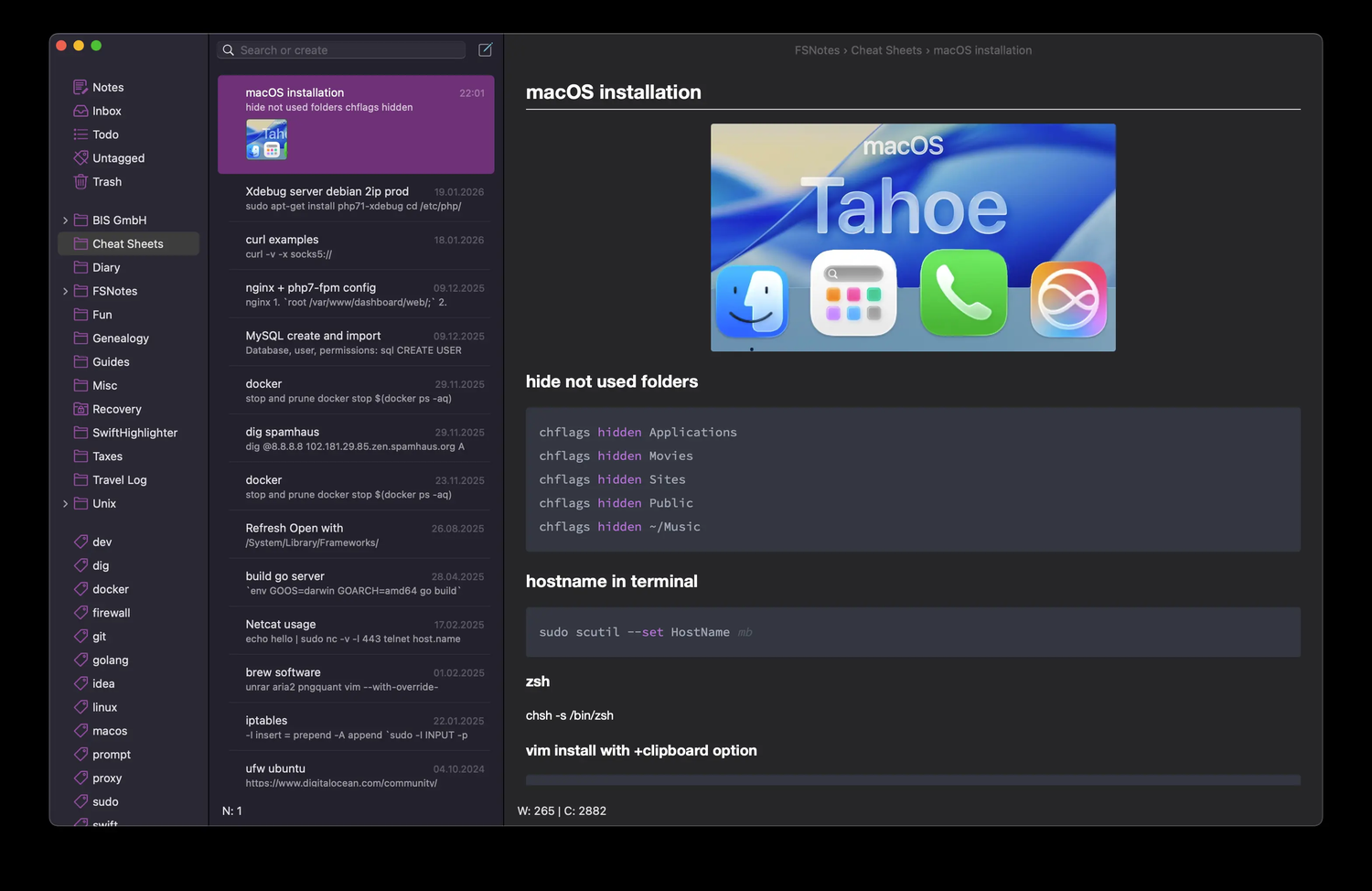 Figure: FSNotes desktop interface on macOS, featuring a three-column note directory and live Markdown rendering. Source: fsnot.es
Payout delays had occurred before and were usually resolved through a routine message to Apple Support. This time, however, the withheld payment triggered a catastrophic chain reaction. Days later, when the developer logged into App Store Connect, he discovered his app had been simultaneously delisted across every EU storefront. No advance notice. No specific clause or violation cited. Across continental Europe, longtime users searching for the tool they had depended on for nearly a decade were met with blank search results.
Within Apple’s distribution ecosystem, independent developers have zero cash-flow buffer. When payout distributions are withheld, immediate living expenses instantly stall. The platform severed the revenue channel unilaterally, offering no preparation window whatsoever.
Every Compliance Form Submitted: Two Urgent Support Tickets Met with 12 Days of Silence
The ostensible justification for the delisting was compliance verification under the European Union’s Digital Services Act (DSA). The regulation mandates public disclosure of developer identity and contact details to curb fraudulent business practices.
To satisfy the platform’s requirements, Glushchenko carefully navigated App Store Connect, completing every requested form. He submitted all documentation required under the DSA, including official registration certificates issued by Ukrainian government business registry authorities. As a legally registered, compliant sole proprietor, he had done everything asked of him.
After submitting the paperwork, the process ground to a complete halt. On November 5, he submitted his first inquiry ticket (No. 23353628). By November 17, with the app still missing from storefronts, he filed a second, expedited ticket (No. 23573022). Twelve full days elapsed into complete silence from Apple developer technical support. He did not receive a single communication from an actual human being.
The formal resolution channels are displayed prominently on the dashboard, yet in practice they function as a one-way black hole. No matter how thorough your documentation is, if the review queue does not move, developers can only wait in limbo. Rules are enforced strictly upon developers, yet the discretion over review timelines remains the exclusive monopoly of the platform.
Even If Reinstated Tomorrow, Nine Years of Accumulated Ranking Are Wiped Out
The collateral damage inflicted by an App Store removal is never resolved simply by flipping the switch back to active. Over nine years of continuous iteration, the developer’s most valuable asset was the invisible algorithmic ranking built within store search.
FSNotes accumulated nine years of user ratings, reviews, and high search placement. Once pulled, those indexing positions and algorithmic recommendations are immediately revoked. Algorithms do not hold reservations for applications stuck in administrative purgatory; competitors rush in immediately to capture the vacant traffic.
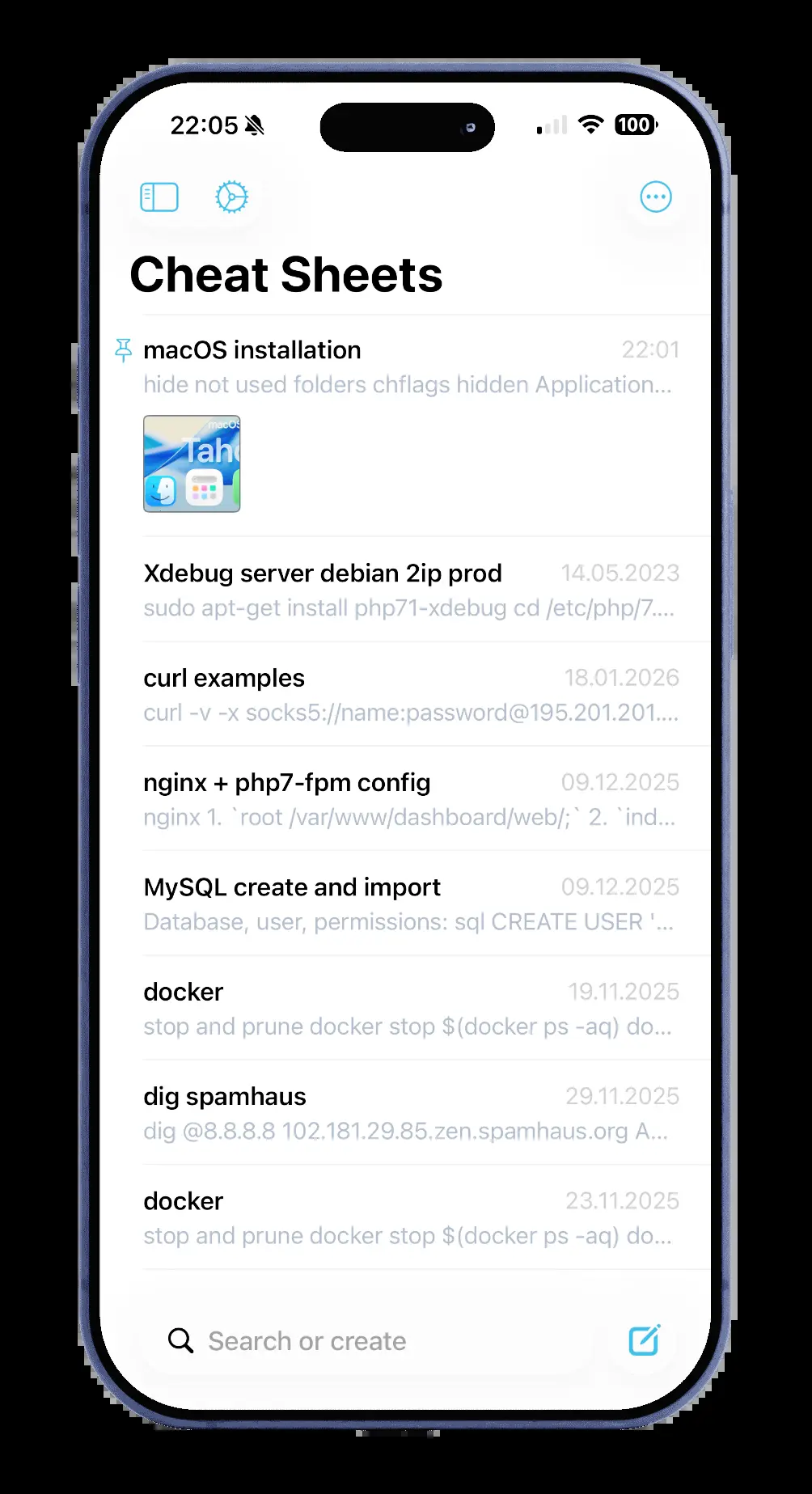 Figure: FSNotes mobile editing interface on iOS, featuring local plain-text offline storage. Source: fsnot.es
In an open letter on GitHub, Glushchenko voiced the deep helplessness shared by many creators: even if Apple restores the listing tomorrow, who will restore nine years of organic search ranking? The platform will not compensate a single cent for the downloads, paying customers, and hard-earned brand reputation erased during this forced downtime.
Under the cold mechanics of App Store algorithms, years of individual effort prove as fragile as footprints in the sand. Delisting is an instantaneous administrative keystroke; rebuilding search visibility takes years of painstaking labor. This unrecoverable, hidden loss represents the true toll exacted by platform compliance black boxes.
Platforms Shut the Door with Algorithms, Leaving Indie Devs with No Human in Sight
This delisting incident starkly exposes the systemic governance imbalance of platform giants. In response to tightening global regulatory scrutiny over recent years, major platforms have rolled out aggressive, automated compliance scanners.
The moment documentation is flagged as incomplete, cutting off payouts and delisting applications are automated, instantaneous actions executed without hesitation or nuance. Yet when a developer must prove compliance, they are thrust into an entirely separate, opaque review pipeline with no visibility into progress.
The removal notice provided no concrete rationale, no indication of who was assigned to the review, and no roadmap of where the review stood. In his open letter, the developer scaled back his expectations to the bare minimum: have a real person review the submitted credentials, clarify what restrictions remain, and provide an opportunity to resolve the issue. The reality: two tickets, two reference numbers, and twelve days without a single human response.
Automated system decisions fall like iron hammers, yet the path to reaching an actual human being is blocked at every turn. This structural asymmetry breeds profound helplessness among creators who diligently follow every published rule. Platforms wield absolute gatekeeping authority, shifting the entire cost of administrative delay and trial-and-error onto the most vulnerable developers.
Broken Official Support Channels Force Developers into Public Community Appeals
With standard operational channels completely unresponsive, an exhausted developer retreated to his last available resort. He published an open letter within the open-source community, sharing ticket reference numbers and appealing to his peers.
He explicitly clarified that he was not seeking special treatment or exceptions from Apple. His request was modest, consisting of only three items: have a human reviewer inspect the submitted business license, clearly explain the specific grounds for removal, and provide a direct communication channel to solve the problem.
Many developer peers highlighted the most absurd reality of the current ecosystem: stonewalling support has become standard operating procedure across Apple’s channels. To earn the simple privilege of speaking with a human, the only functional path left is to escalate the matter publicly. Only when public discourse exerts sufficient pressure does the platform’s door crack open.
If an application is delisted with actionable feedback, a developer can iterate against the checklist. But when all appeals vanish into a black box, met only with twelve days of silence, all avenues for self-remedy are stripped away. Nine years of code craftsmanship cannot withstand a single administrative bottleneck in a compliance pipeline. When rule-abiding developers must resort to public outcries for basic attention, the cold walls erected by platforms ultimately erode the trust of the entire developer community.
Reference Links:
- GitHub Discussion #2056: Developer Open Letter
- fsnot.es Official Website
- Hacker News Discussion (item?id=50616933)