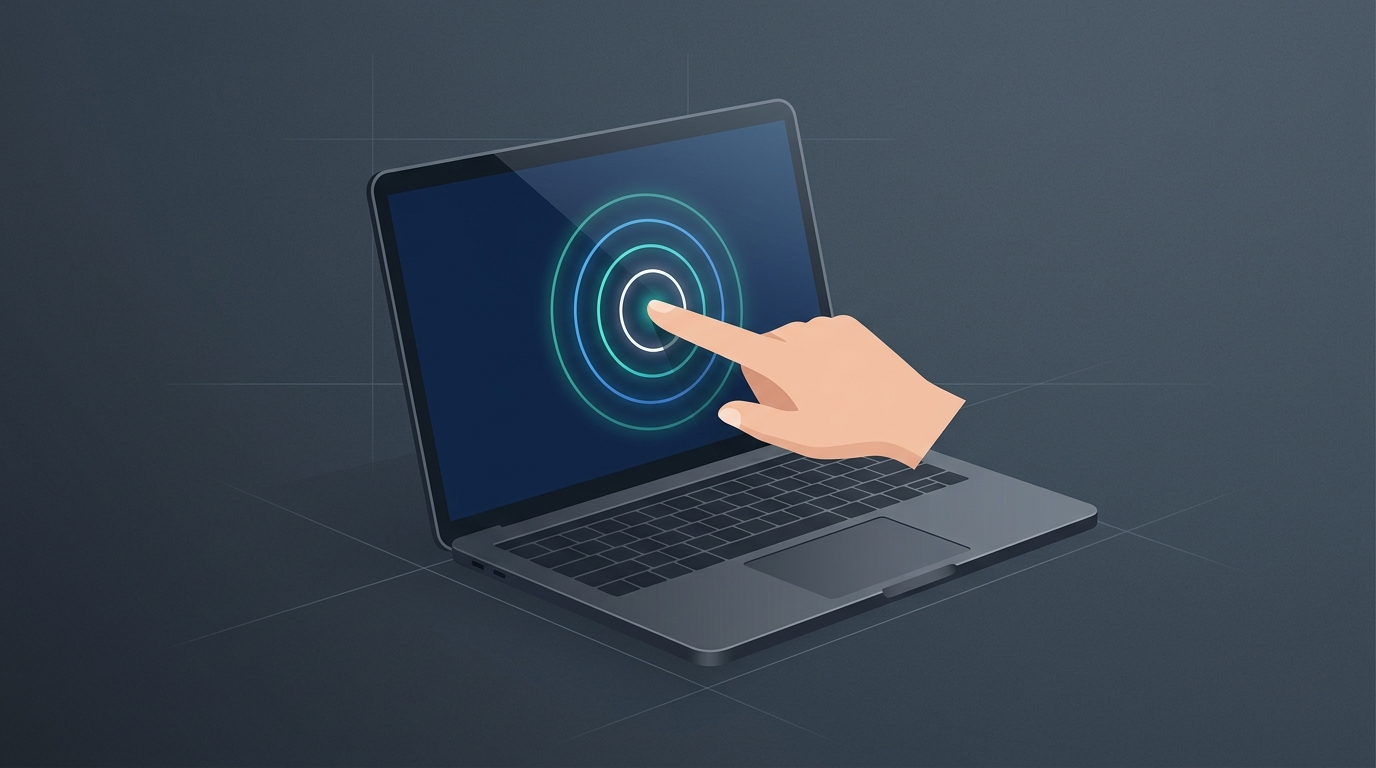
Around October 27, 2026, Apple is reportedly planning to unveil its first touchscreen MacBook Pro. According to Bloomberg, the upcoming flagship will transition to an OLED panel, incorporate an iPhone-inspired Dynamic Island, and sport a thinner, lighter chassis than current generations.
The arrival of a touchscreen MacBook signals the end of a desktop interaction dogma that has stood for well over a decade. As mobile and desktop software paradigms converge, traditional keyboard-and-trackpad setups can no longer unilaterally support high-end productivity workflows.
Sixteen Years of Reversal: Abandoning the Toaster-Refrigerator Theory
In 2010, Steve Jobs famously panned touchscreen laptops as “ergonomically terrible,” insisting that reaching for a vertical display causes severe arm fatigue: “after a short period of time you start to fatigue, and after a prolonged period of time your arm wants to fall off.” In 2012, Tim Cook echoed the sentiment, dismissing touchscreen laptops by remarking that you can converge a toaster and a refrigerator, “but those things are probably not gonna be pleasing to the user.”
Fast-forward to macOS 27.2 beta builds, where engineers have uncovered dedicated “touch sentinel recognizers” wired directly into Safari and Notes. What leadership once dismissed as an ergonomic and engineering disaster has transformed into an inevitable UX frontier Apple must now conquer.
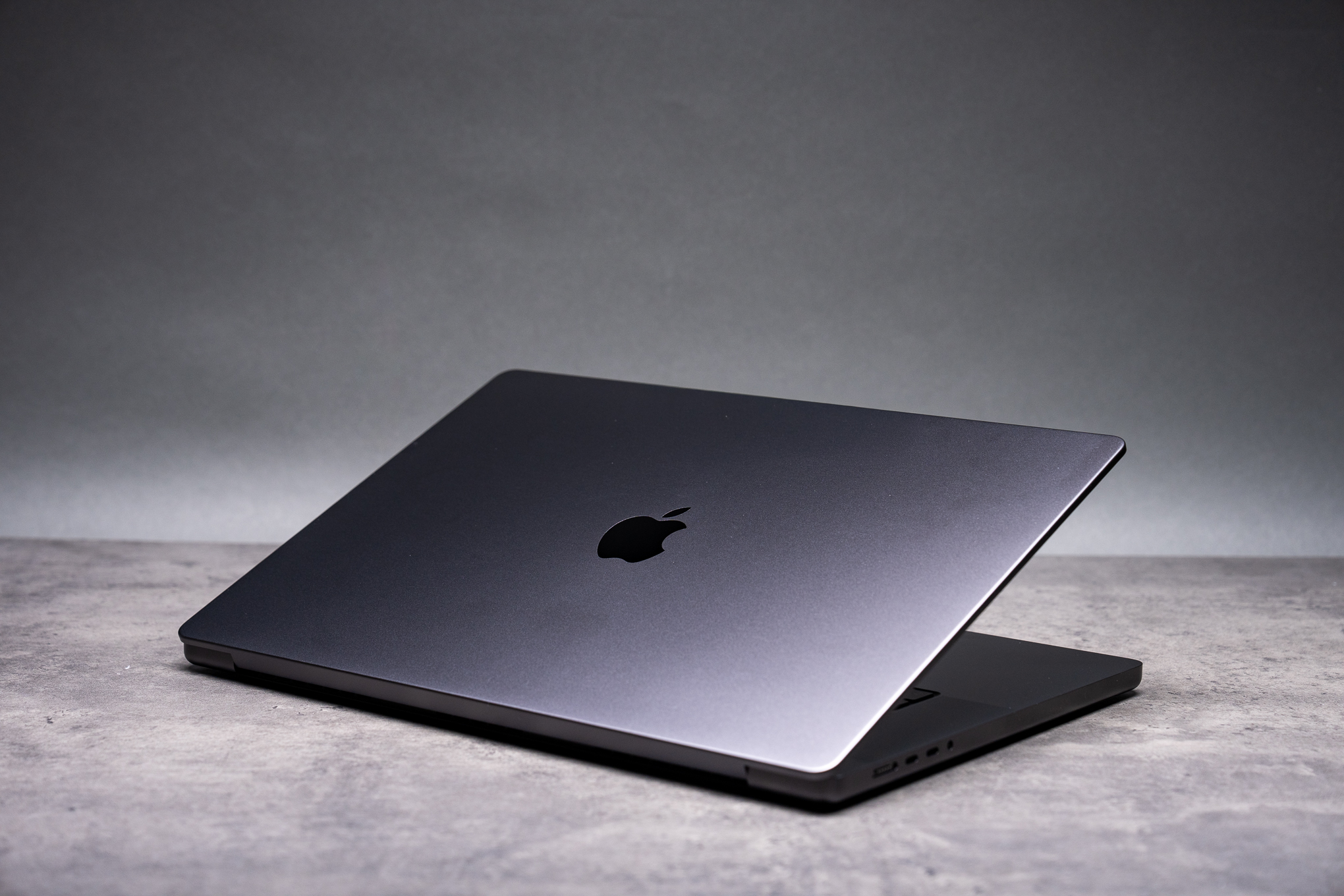 Figure: The MacBook Pro’s keyboard-and-trackpad purism is about to be broken. Source: The Verge
OLED and the Dynamic Island: Redefining Physical Interaction
The revamped MacBook Pro pairs an OLED display with a desktop iteration of the Dynamic Island. Apple’s closest prior dalliance with touch on the Mac was the 2016 Touch Bar—a slim, secondary touch strip positioned above the keyboard that was phased out entirely by 2021.
The Touch Bar attempted to introduce tactile controls without asking users to reach for the primary display. Adding direct touch input and the Dynamic Island to the main display panel represents a reverse takeover of desktop interfaces by mobile interaction logic. Apple has abandoned its keyboard-deck compromise, playing its final card directly on the screen.
 Figure: An updated iPad Mini is rumored to embrace a landscape-first orientation. Source: The Verge
Total Overlap in Productivity Ecosystems
Expected alongside the new laptop, an updated iPad Mini will reportedly relocate its front-facing camera to the longer landscape edge and introduce a redesigned speaker array, cementing its role as a landscape-first device. Meanwhile, macOS updates have steadily integrated iOS control centers, interactive widgets, and unified app runtimes.
Apple Silicon now powers both tablets and notebooks on identical microarchitectures. Enforcing an artificial divide between their interaction models simply inflicts double the overhead on developers. In the Windows camp, 2-in-1 convertibles matured years ago. Clinging to keyboard-and-mouse exclusivity no longer shields the Mac’s identity—instead, it deters mobile developers from bringing touch-native experiences to the desktop.
The Final Frontier Falls in 2026
Once these leaks materialize, Apple’s last rigid boundary on hardware form factors will crumble. Bringing a touchscreen to the Mac marks a decisive break from the company’s historical dogmas.
Confronted with an OLED touchscreen MacBook Pro featuring the Dynamic Island, the artificial line between tablet and personal computer evaporates. Compute silicon and software foundations have already unified; maintaining a forced division in input methods serves no practical end. The next logical step from Cupertino might very well be an iPad running macOS.
Reference Links:
- Apple will reportedly debut its first touchscreen MacBook in three weeks