In October 2026, Nintendo launched pre-orders for its premier Switch 2 launch title: the remake of The Legend of Zelda: Ocarina of Time. In a gaming market widely assumed to have transitioned almost entirely to digital downloads—and sharing a release window directly head-to-head with Grand Theft Auto VI—this cartridge-based remake accumulated more than 100,000 pre-orders in just 30 days. It marks a striking counteroffensive for physical distribution in the next-generation console war.
Physical Cartridges Outpace 11,000 Digital Copies
Sales tracking data from Amazon reveals that the Ocarina of Time remake currently anchors the top spot on the United States video game bestseller charts. By contrast, pre-orders across standard digital and boxed editions of GTA 6 (on PS5 and Xbox platforms) totaled roughly 11,000 copies over the same 30-day window. This nearly tenfold gap is not simply an inversion of hype; rather, player purchase intent diverged dramatically when it came to concrete pre-order commitments.
Pre-orders for Ocarina of Time opened on September 8, while reservations for GTA 6 began as early as late June. Sensor Tower estimates that total lifetime pre-orders for GTA 6 have already surpassed 5.75 million units, meaning consumer spending was distributed across different launch phases. Yet even after accounting for this timeline disparity, racking up 100,000 physical copies in a single month sets a new high-water mark for Amazon’s video game pre-order records in recent years.
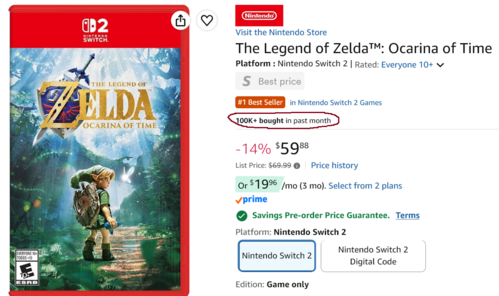 Image: Amazon Best Sellers ranking showing the new Zelda taking the top spot. Source: Notebookcheck
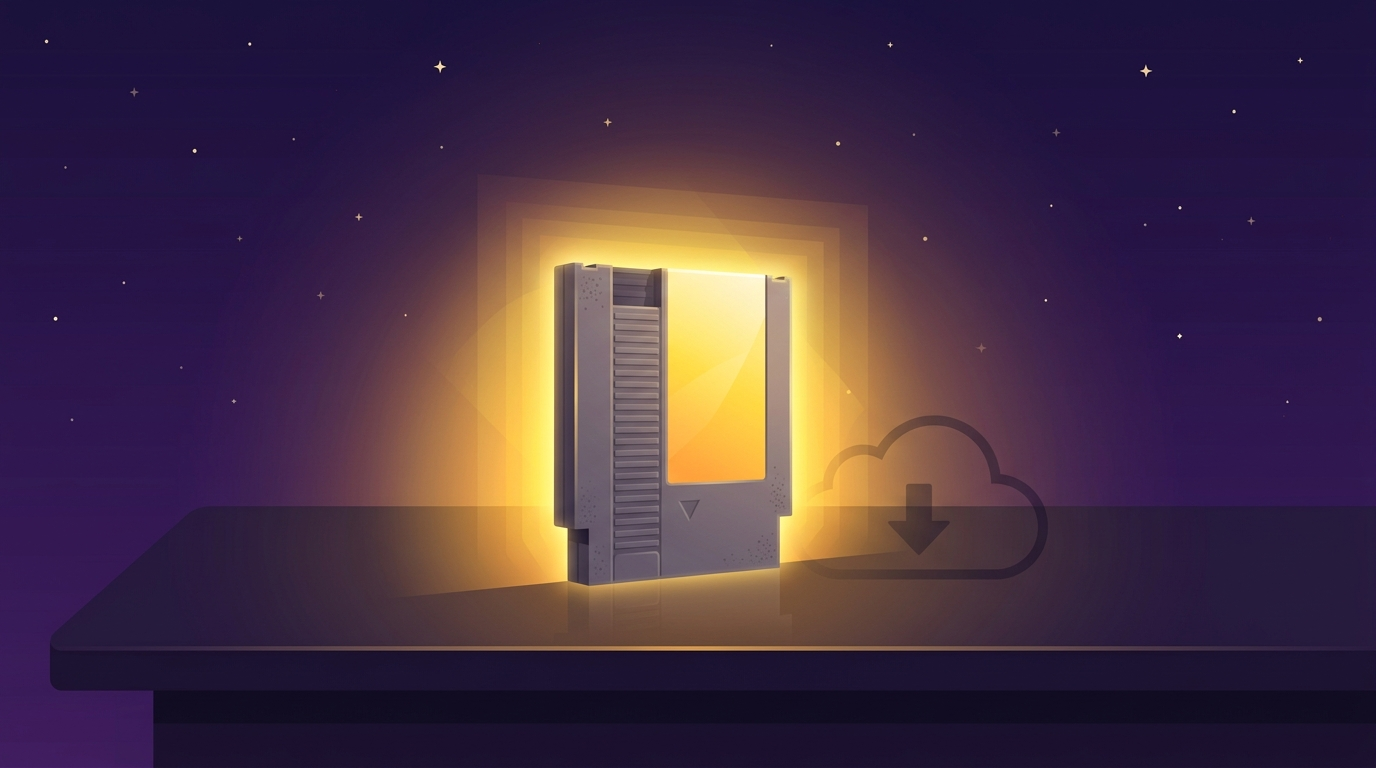
The underlying catalyst for this single-month surge lies in the medium of distribution. Rockstar steered its GTA 6 Ultimate Edition toward a purely digital release, asking players to pay premium tier prices for little more than a digital voucher code. In contrast, the Ocarina of Time remake preserves the tactile appeal of physical game packaging, complete with a limited-edition lenticular foil cover included in the launch batch. Consumers voted with their wallets: when stacked against industry-defining releases, tangible physical media carries an irreplaceable collector’s premium.
Retailers Sacrifice a $10 Margin to Drive Volume
Amazon introduced a $10 pre-order discount on the Ocarina of Time remake. For Nintendo first-party titles—where savings are traditionally locked behind the eShop—a retail channel actively slashing margins drove conversion rates straight up. Such an aggressive launch discount is extraordinarily rare for Nintendo tentpoles, signaling that retailers were eager to sacrifice unit profits to secure mass foot traffic.
Even at Best Buy, where the title retained its full $69.99 MSRP, unprecedented demand prompted the retailer to host midnight launch events. The announcement evoked memories of gamers camping outside brick-and-mortar storefronts fifteen years ago. The $69.99 price tag also establishes the benchmark pricing for first-party games in the Switch 2 generation. While discounts served as an accelerator, the pairing of a legendary IP with the debut of new hardware was what truly drove players to queue through the night.
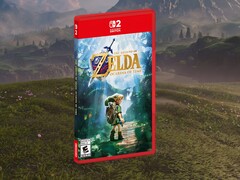 Image: Limited-edition lenticular foil cover for Ocarina of Time Remake. Source: Notebookcheck
Microphone Input Revives an Iconic Gameplay Mechanic
Nostalgia alone cannot explain 100,000 pre-orders; the remake harnesses the bespoke hardware capabilities of the Switch 2. Players can blow directly into the console’s integrated microphone to replicate Link playing the ocarina in real time. Muscle memory built decades ago is translated into a fresh tactile input method. For veteran players, this physical mechanic resonates far more deeply than mere high-definition texture upgrades.
Tying software mechanics intimately to new hardware has amplified day-one purchase desire, offering immediate gratification to both nostalgic fans and newcomers.
The 40th Anniversary Edition Propels Hardware Sales
Launching alongside the title are the 40th Anniversary Edition Switch 2 console and Pro Controller. Hampered by initial supply constraints and astronomical consumer demand, these units have routinely sold out across major retailers and surfaced on secondary markets at hefty scalper markups. Engineering this level of supply-demand tension represents Nintendo’s classic marketing playbook.
Select Best Buy locations announced they would carry only limited quantities of the anniversary consoles and controllers during midnight release events. In hopes of boosting their odds of walking away with limited-edition hardware, shoppers bundled physical pre-orders of the game. By linking the console, controller, and cartridge into a unified hardware ecosystem, Nintendo transformed a standalone software launch into a comprehensive gear upgrade. The scarcity around the hardware exerted a powerful halo effect on game pre-orders.
Nintendo and Rockstar Take Divergent Commercial Paths
On physical retail shelves, Nintendo maintains undisputed dominance. Rockstar, meanwhile, has pursued an alternate commercial trajectory: beyond digital copies, the studio diversifies its revenue through licensed GTA 6 soundtrack vinyls, collector’s lockboxes, and apparel lines. Both publishers are extracting peak commercial value from legendary intellectual properties, but through completely different vectors.
Nintendo relies on the tangible presence of gaming—using cartridges, display cases, and special-edition consoles to command living rooms. Rockstar channels distribution through digital stores while leveraging lifestyle merchandise to integrate into daily culture. Neither model is inherently superior, but the pre-order figures for Ocarina of Time confirm that physical gaming retains a loyal, massive, and passionate base.
The surface-level battle between software releases tells a deeper story. Nintendo sells the tactile ownership of a reimagined masterpiece, whereas Rockstar licenses pop-culture iconography. As 100,000 players flocked to Amazon to secure physical cartridges of Ocarina of Time, the market delivered an unmistakable verdict: old-school physical media is far from obsolete—in fact, it can still decisively eclipse an all-digital blockbuster in a single month.
Reference Links:
- Zelda: Ocarina of Time Switch 2 pre-orders set Amazon record, dominating GTA 6