In October 2026, reports from Bloomberg and The Verge revealed major hardware upgrades planned for the next-generation Apple TV 4K. Following a four-year product hiatus, Apple is reportedly integrating a far-field microphone array directly into the console itself, alongside an upgraded Siri Remote featuring an integrated beeper speaker. Powered by Apple’s A19 chip, the new streaming box is expected to debut at an October 13 smart home event, with retail shipments beginning October 30.
For years, the Apple TV has remained pigeonholed as a media streaming box. Even though it quietly functions as a background HomeKit and Matter home hub, its everyday interactions have felt fragmented. Homeowners looking to adjust living room devices either had to pull out and unlock an iPhone or fish around couch cushions to press and hold the remote’s microphone button. The addition of console-integrated far-field microphones and an audible remote buzzer closes these physical friction points, ushering in truly seamless ambient control.
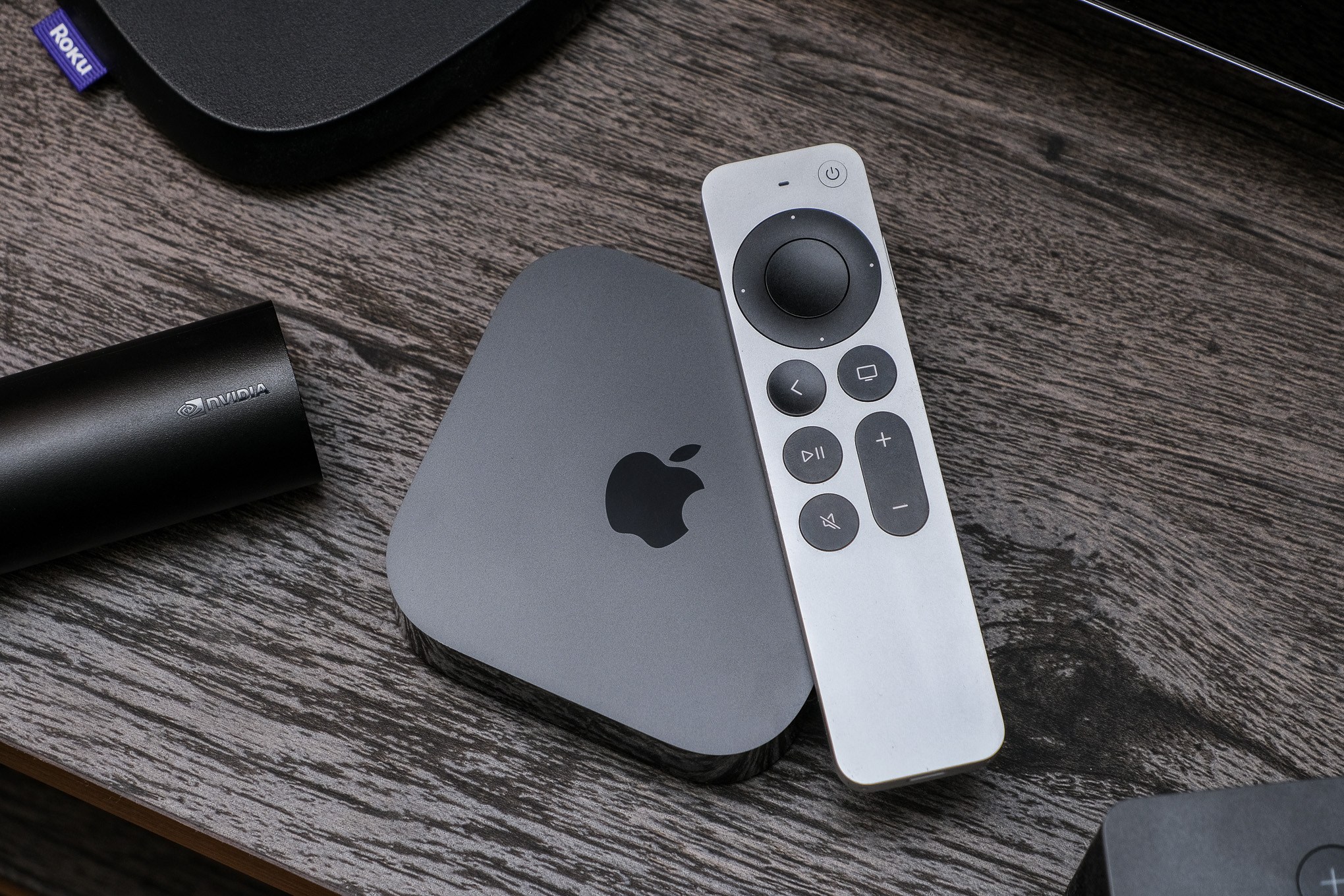 Photo: Third-generation Apple TV 4K and aluminum Siri Remote beside a television. Source: The Verge hands-on photography (theverge.com).
An Onboard Far-Field Microphone Array: Hands-Free Living Room Interaction
The 2022 Apple TV 4K relied strictly on a push-to-talk button on the side of the Siri Remote for voice commands. Without a standalone HomePod in the room, viewers could not wake Siri from across the sofa without reaching for a physical accessory first.
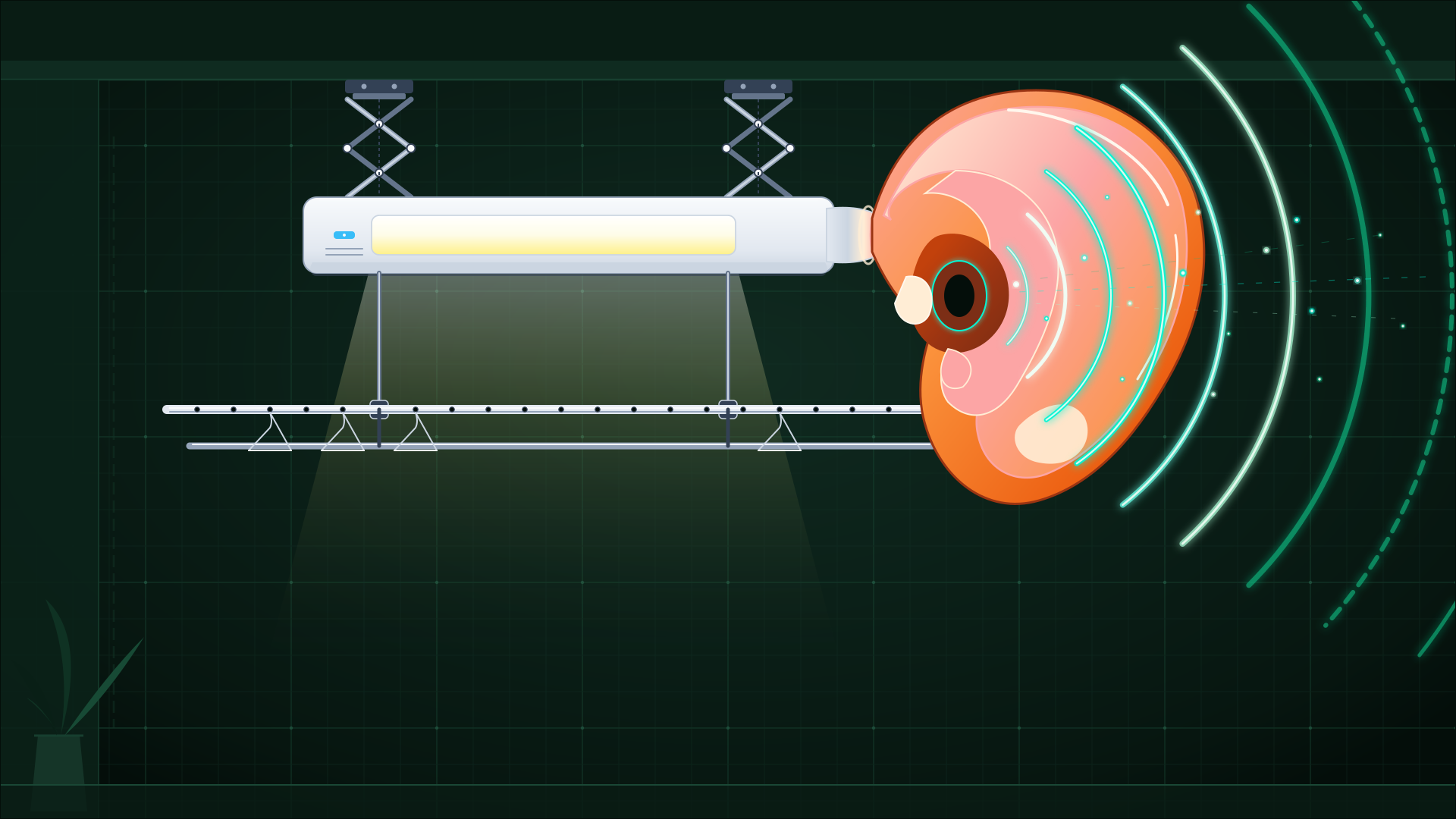
Amazon proved the viability of an integrated eight-microphone array in streaming hardware as early as 2019 with the Fire TV Cube. Apple previously held back from punching acoustic perforations into the Apple TV chassis due to noise cancellation hurdles. The upcoming model integrates far-field pickup mics directly into the console enclosure, enabling hands-free “Hey Siri” activation around the clock.
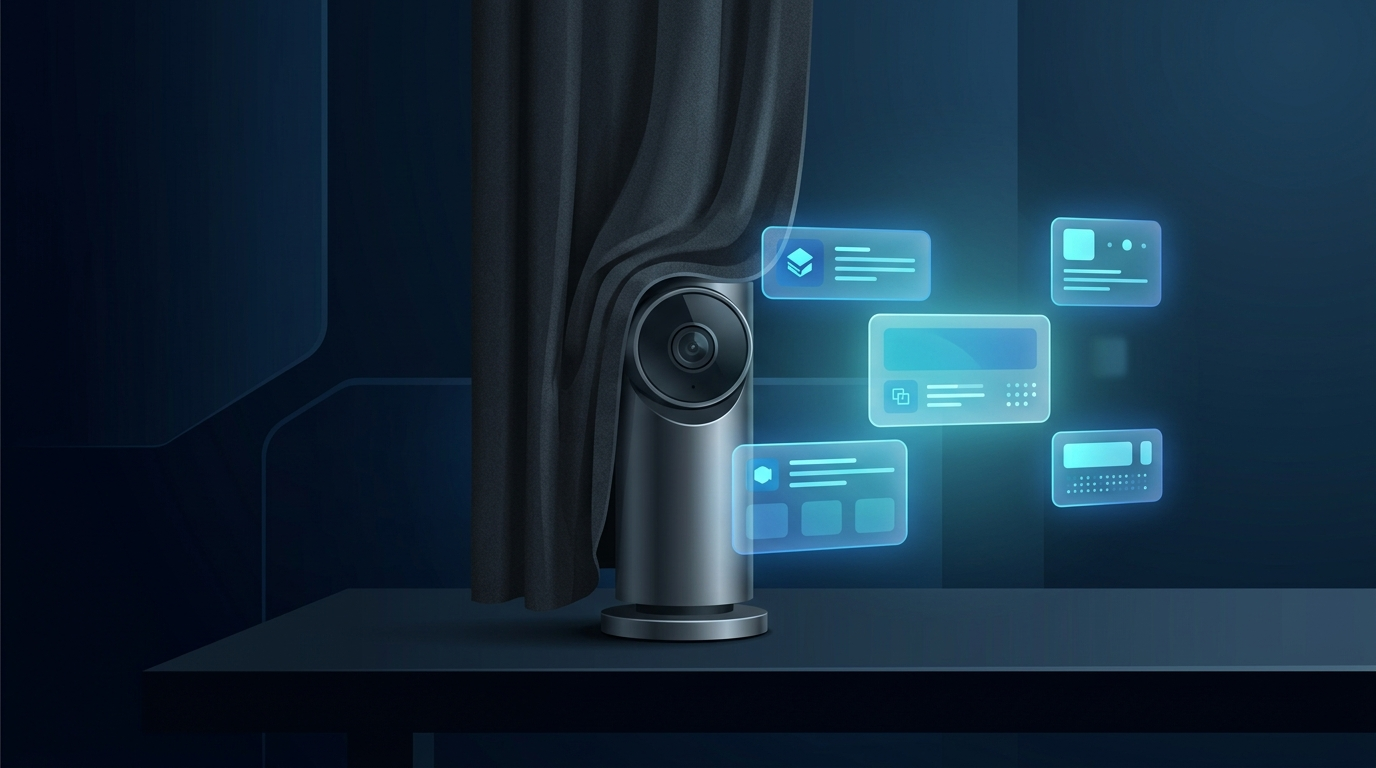
Users can issue commands to adjust lighting, tweak thermostats, or lock front doors without reaching for a single physical device. The streaming box shifts from a passive media accessory waiting on input to an always-listening ambient acoustic sensor for the living room. Always-on on-device acoustic listening eliminates the manual friction of locating a button before controlling smart home gear.
Living Room Smart Control Interaction Paths:
- Traditional Remote: Locate remote -> Pick up device -> Hold side button -> Speak voice command
- Smartphone Workflow: Find iPhone -> Face ID unlock -> Open Home app or hold side button -> Voice or touch trigger
- Onboard Far-Field Mic: Speak wake word across the room -> Console captures audio and executes command (Zero-touch interaction)
This interaction upgrade alters the fundamental role of the streaming set-top box. Previously, Apple TV only felt present when the television display was switched on. An onboard microphone array keeps the device responsive to ambient requests even while the screen is black and in standby. The console becomes a genuine, permanent whole-home hub.
An Integrated Remote Beeper: Sound-Based Recovery Replaces Blind Cushion Searches
The aluminum Siri Remote measures just 136 × 35 × 9.25 mm and weighs a mere 63 grams. Its slim metallic profile easily slips into deep sofa cushions or disappears beneath clutter on the coffee table. Misplacing the remote remains one of the most frustrating, frequent disruptions in home entertainment.
iOS 17 introduced a “Find Remote” feature, but the practical experience left much to be desired. Older remotes lacked both Ultra Wideband (UWB) chips and internal speakers, relying entirely on Bluetooth RSSI signal strength to approximate distance. Without auditory feedback, close-range searches frequently devolved into pacing around the room waving an iPhone in circles.
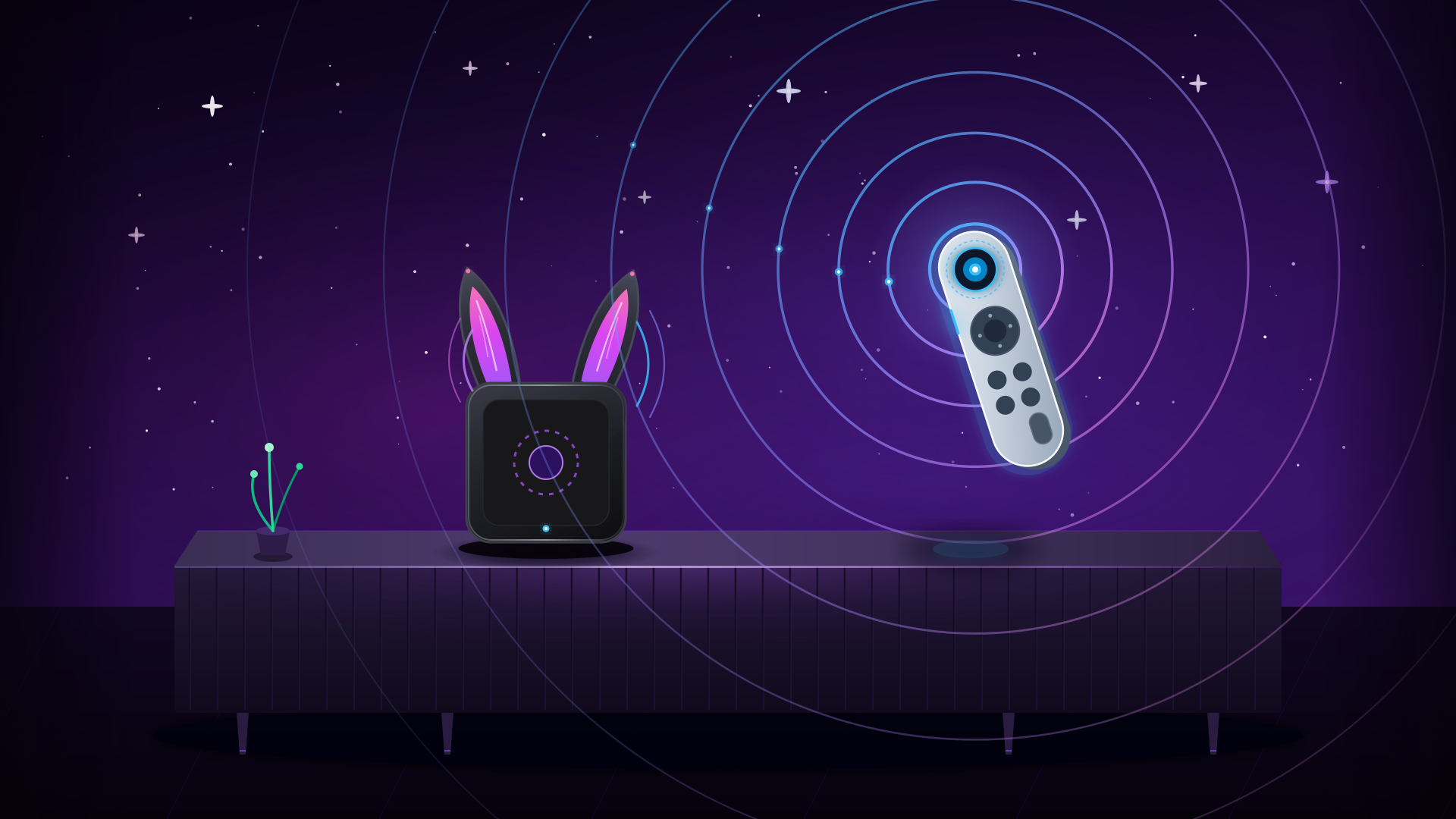
The updated remote incorporates a miniature acoustic beeper unit inside its chassis. When users trigger Find My or simply ask Siri where the remote is, the controller emits an audible chime. A physical buzzer collapses blind visual searches into rapid acoustic localization, resolving the missing link in physical remote recovery.
Apple TV Siri Remote Finding Capability Evolution:
- 2nd Gen & Earlier (Lightning port): No tracking protocol support; recovery relies entirely on manual searching
- 3rd Gen (USB-C port): Bluetooth RSSI proximity meter; lacks directional guidance and sound emission
- 4th Gen (New Model): Integrated beeper speaker and tracking circuitry; supports active acoustic alerts
Sound-based tracking dramatically reduces the time lost to misplaced controllers. Family members no longer face halted viewing sessions over a lost remote. Even if the controller is kicked deep under a sofa, following the audio prompt resolves the search in seconds, reinforcing the tactile convenience of physical controls.
3nm A19 Silicon Brings On-Device Intelligence to the TV Box
The 2022 Apple TV 4K runs on a 5nm A15 Bionic chip paired with 4GB of RAM. While more than adequate for 4K HDR video decoding and casual Apple Arcade gaming, that silicon footprint cannot accommodate modern on-device large language models.
The upcoming model skips the A16, A17, and A18 generations entirely, leaping directly to Apple’s A19 processor built on TSMC’s 3nm N3P node, paired with an expected 8GB of unified memory. Matching the processing tier of flagship iPhones, this silicon upgrade provides the local compute foundation required for Apple Intelligence. Generative models can now parse conversational, ambiguous voice intents entirely on the box.
Smart home queries no longer need round-trips to distant cloud servers for routine lighting adjustments. The on-device Neural Engine executes semantic parsing and local device routing in milliseconds. Latency drops substantially, and external internet hiccups will not disrupt baseline smart home operations.
Apple TV Core Processing Hardware Evolution:
- 2021 Model (2nd Gen 4K): A12 Bionic, 7nm process, 3GB LPDDR4X memory
- 2022 Model (3rd Gen 4K): A15 Bionic, 5nm process, 4GB LPDDR4X memory
- 2026 Model (Next-Gen 4K): A19 chip, 3nm N3P process, 8GB LPDDR5X memory (Supports on-device LLMs)
Unlike battery-constrained iPhones or Apple Watches, a wall-powered set-top box operates free from strict thermal throttles or battery life ceilings, enjoying ample cooling volume. Continuous AC power allows the A19 to sustain peak performance profiles indefinitely. The abundant on-device compute delivered by the A19 enables the Apple TV to serve as an always-on, high-throughput local AI gateway.
Television Audio Blasts vs. Acoustic Noise Cancellation: The Living Room Dilemma
While internal specifications jump significantly, the set-top box form factor introduces distinct engineering hurdles. The acoustic dynamics of modern living rooms present formidable technical challenges.
Television speakers and high-output soundbars frequently sit directly adjacent to the Apple TV. During cinematic explosions or orchestral crescendos, acoustic energy bombards the console casing at sound pressure levels reaching 80 to 90 decibels. The unit must isolate subtle human speech from several meters away amidst intense local acoustic reflections.
Extracting voice commands out of violent ambient audio stretches acoustic echo cancellation (AEC) and beamforming algorithms to their limits. Set the filtering threshold too aggressively, and natural wake commands go ignored. Calibrate it too loosely, and movie dialogue triggers frustrating false activations. Navigating this tightrope demands extensive multi-mic algorithmic tuning.
Living Room Acoustic and Privacy Balancing Points:
- Severe Acoustic Interference: TV audio blasts box at 80–90 dB; echo cancellation requires wide dynamic filtering
- False Activation Risks: Cinematic dialogue and similar phonemes can inadvertently trigger system commands
- Ambient Privacy Concerns: Always-listening microphones in communal living rooms demand clear physical or visual status indicators
- Chassis Packaging Limits: Squeezing a speaker into a slim remote must preserve battery capacity and tactile ergonomics
From a privacy standpoint, the living room is a shared communal space. While the HomePod features a prominent top-mounted illuminated display to signal active listening, an always-powered TV box with live microphones raises inevitable questions regarding audio retention. Apple will need to provide transparent, foolproof controls to mute the microphone array at the system level.
Within the remote, fitting a dedicated acoustic driver into an ultra-slim aluminum shell consumes precious internal volume and introduces parasitic standby drain. Striking the right balance between thin ergonomics and multi-month battery intervals will be put to the test once production hardware hits living rooms.
 Photo: Preview of Apple’s fall smart home and connected hardware event. Source: The Verge feature coverage (theverge.com).
Ambient Living Room Control: The Streaming Box Evolves Into an Unobtrusive Gateway
Examining the trajectory of smart home control paradigms, user interaction originally shifted from tactile smartphone apps toward standalone smart speakers. In Apple’s historical ecosystem, the Apple TV operated as a silent background data router, while voice input was fragmented across HomePods, iPhones, and Apple Watches.
Whenever a household lacked a HomePod, the living room voice control chain broke down entirely. Users found themselves searching for an iPhone or hunting down a remote just to dim the lights, fragmenting the automated experience. That fragmented setup created high friction for casual household use.
The next-generation Apple TV consolidates far-field microphones and an audible remote finder into its baseline package. Zero-touch interaction is anchored at the heart of the home. The streaming set-top box is transforming into a frictionless, invisible whole-home control hub.
The A19 silicon supplies independent listening and local neural execution, while the remote’s acoustic locating closes physical recovery gaps. Together, they bridge the usability divide in ambient living room computing.
The Apple TV is no longer just a streaming device waiting to be turned on. It has evolved into a persistent, ambient gateway. Moving from frantic controller searches to effortless voice commands across the room, Apple’s hardware upgrades finally weave home automation seamlessly into daily life.
Reference Links:
- The Verge Reporting
- Bloomberg Power On Newsletter
- Official Apple TV 4K Technical Specifications Documentation