The Leak Unveiled: Sub-Flagship Steps Up to a 185Hz Ultra-High Refresh Rate
On November 3, 2026, supply chain sources and overseas tech outlets unveiled key specifications for the upcoming OnePlus Turbo 7.
This mid-range performance contender is aiming for a generational leap by adopting Qualcomm’s Snapdragon 8 series platform. Reports indicate Qualcomm is currently polishing a new processor codenamed Snapdragon 8 Gen 6. Fabricated on TSMC’s 3nm node and featuring proprietary custom Oryon CPU cores, OnePlus is actively positioning itself to debut the silicon.
The more eye-catching hardware upgrade, however, centers on the screen. The device features a 6.78-inch 1.5K flat display supporting a peak refresh rate of 185Hz. The flat panel design caters directly to competitive mobile gamers, eliminating the edge mis-touches common on curved screens.
Leaked technical details point to an aggressive display tuning profile. General system navigation and everyday applications will run at a steady 165Hz, while select competitive mobile titles unlock the dedicated 185Hz tier. Encased in a dual-glass chassis, the rear camera array is anchored by a 200MP ultra-clear main sensor. Compared to the Turbo 6 launched in January 2026—which packed a Snapdragon 8s Gen 4 and a 165Hz screen—the Turbo 7 marks a comprehensive platform upgrade across compute and display.
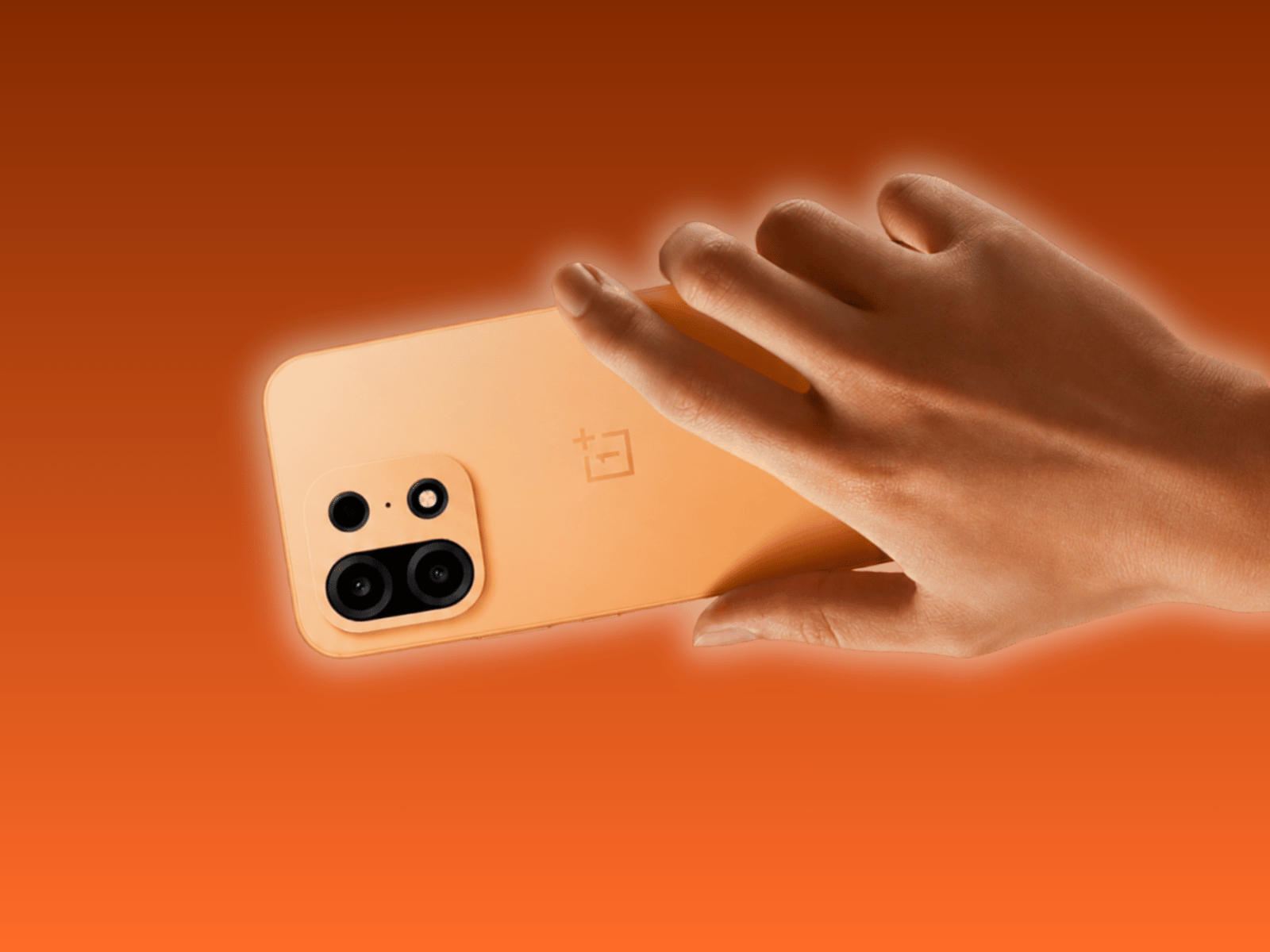 Figure: OnePlus continues bringing flagship-tier thermal architecture and display specifications down to mid-range lines. Source: Notebookcheck
The refresh cycle for performance sub-flagships is visibly accelerating. OnePlus previously introduced an active cooling fan on its flagship Ace 7 series; the Turbo 7 swiftly inherited a matching 185Hz panel profile. This rapid trickle-down moves top-tier esports specifications into mass-market price brackets. The handset is expected to officially hit the market before the end of 2026.
Diminishing Returns on Standard Specs: Sub-Flagships Pivot to Esports
Spec racing in the mid-range segment has hit a point of diminishing marginal returns.
Over the past two years, 1.5K resolution, 100W+ fast charging, and metal middle frames quickly became standard table stakes in the $300–$400 bracket. Upstream benchmark figures continue to climb year after year, yet ordinary users can barely distinguish a difference of hundreds of thousands of benchmark points during social media scrolling or video playback.
This convergence of everyday user experience forces manufacturers to carve out new battlegrounds. When day-to-day fluidity no longer differentiates a device, heavy competitive gaming becomes the ideal proving ground. Performance sub-flagships are zeroing in on hardcore esports metrics as their core selling point, pivoting away from broad all-round balance toward unapologetic gaming specialization.
High-refresh panels represent the most tactile differentiator. The display directly governs touch responsiveness and visual clarity in high-frame-rate titles. Pushing the panel to 185Hz equips this sub-flagship with a distinct, razor-sharp edge in a sea of homogenous alternatives.
A 9,000mAh Battery as Foundation: Custom Panels Break the Power Barrier
Extreme refresh rates have long been constrained by unforgiving thermal and power envelopes.
Jumping from 120Hz to 185Hz increases display driver IC power draw by more than 25%. High-frequency touch sampling also multiplies computational overhead. To minimize input latency, the Turbo 7 cranks instantaneous touch sampling up to 2000Hz. In the era of 5,000mAh batteries, any device attempting such extreme refresh rates suffered severe battery drain.
Advances in battery chemistry have finally broken this power deadlock. The OnePlus Turbo 6 previously set a benchmark by introducing a 9,000mAh silicon-carbon anode Glacier Battery. The Turbo 7 is expected to retain this substantial capacity. High energy density allows the device to maintain a manageable thickness while offering immense discharge endurance. Paired with 100W-class wired charging, it dispels battery anxiety during marathon gaming sessions.
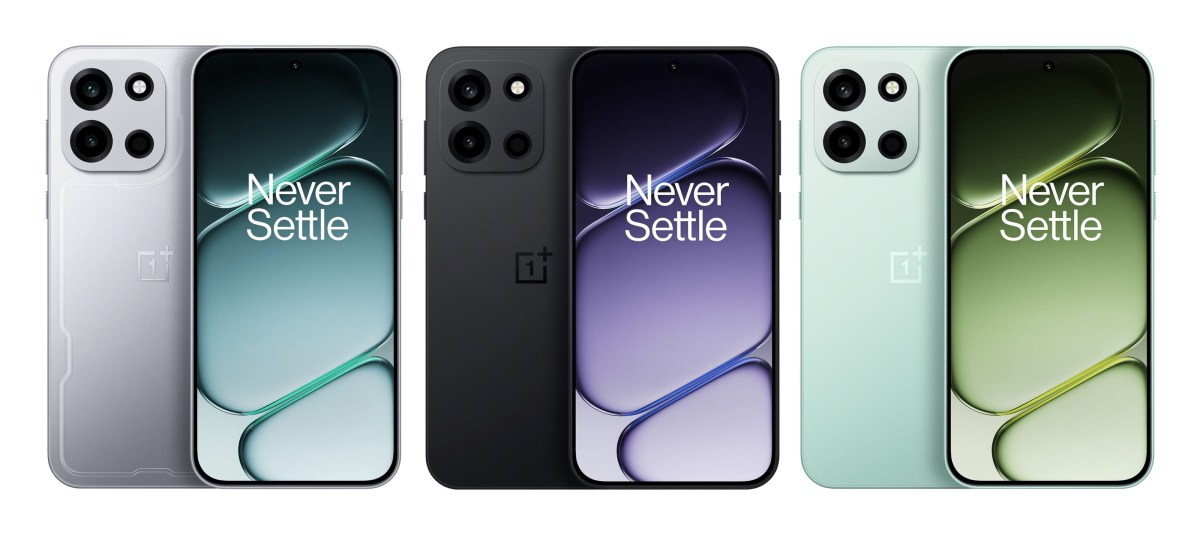 Figure: Moving from 165Hz to 185Hz sets a fresh display refresh benchmark in the mid-range tier. Source: GSMArena
Adaptive dynamic refresh technology is equally vital. When viewing static text or in always-on display mode, the screen drops as low as 1Hz to conserve power. Only when gaming engines invoke high-frame-rate rendering does the panel unlock its full 185Hz output. The synergy of massive battery capacity and adaptive variable refresh rates finally brings ultra-high refresh gaming into everyday use.
Sacrificing the Periscope for Raw Performance: Tuned for Core Gamers
Within a tight bill-of-materials budget, allocating resources toward an exotic display inevitably demands hardware trade-offs.
Leaks confirm that while the OnePlus Turbo 7 packs a 200MP primary camera, it omits a dedicated periscope telephoto lens. Inside, thermal dissipation relies on an expansive passive vapor chamber rather than an active miniaturized fan. This targeted component selection has sparked lively discussion among prospective buyers.
Supporters applaud the pragmatic product design. The primary demographic for mid-range performance handsets consists of younger mobile gamers who rarely rely on heavy optical zoom. Eliminating expensive periscope modules preserves structural integrity and keeps the chassis sealed, freeing up BOM budget for display optimization and silicon tuning. A 200MP sensor easily covers daily photography via in-sensor crop.
Skeptics question whether the visual returns justify the trade-off. Dynamic motion blur reduction between 144Hz, 165Hz, and 185Hz is subtle to the untrained human eye, with millisecond-level frame pacing differences difficult to perceive. Furthermore, mobile games natively supporting 180+ FPS remain relatively scarce. Without an active cooling fan, sustained high-frame-rate loads will inevitably push passive thermal heat spreaders to their limits.
Downstream Supply Chain Maturity: Breaking Flagship Display Monopolies
The arrival of 185Hz panels in the sub-flagship bracket owes much to the maturation of upstream display manufacturing.
Domestic display manufacturers have optimized production lines over recent years, dramatically improving yields for 8T LTPO backplanes. As high-spec custom panels enter high-volume production, the amortized costs of premium driver ICs and panels have dropped sharply, bringing procurement costs down to an accessible threshold for sub-flagships.
Lower hardware barriers shorten the transition from R&D breakthrough to mass-market availability. Features that once required two years of flagship exclusivity now cascade into mainstream tiers within months. Game studios are concurrently rolling out ultra-high frame rate modes, establishing a virtuous cycle between software adaptation and display supply.
The OnePlus Turbo 7 leak illustrates that mid-range smartphones are no longer content with inheriting yesterday’s flagship leftovers. By deploying specialized esports hardware, sub-flagships are redefining the competitive landscape. In an era where generic performance has peaked, catering directly to hardcore gaming demands is becoming the winning playbook in a saturated market.
Reference Links:
- Notebookcheck Report
- GSMArena Report
- Weibo Tech Leaks