An Invite-Only Launch: No Monthly Fee, No Movement
On November 13, 2026, Tesla switched on a personal ordering page for the Cybercab. For now it’s visible only to a subset of invited customers in the United States. The car starts at $29,990, with a $1,000 deposit due at checkout — non-refundable. First deliveries are expected as early as December 2026, beginning in Austin, Texas.
This isn’t a conventional public launch. It’s a gated test with strict entry requirements. The two-seat cabin has no steering wheel, no brake pedal, and no accelerator — just a 21-inch center touchscreen and 20.1 cubic feet of trunk space. And when buyers confirm their configuration, the system hands them a pre-checked box for a $299-per-month Autonomy Subscription.
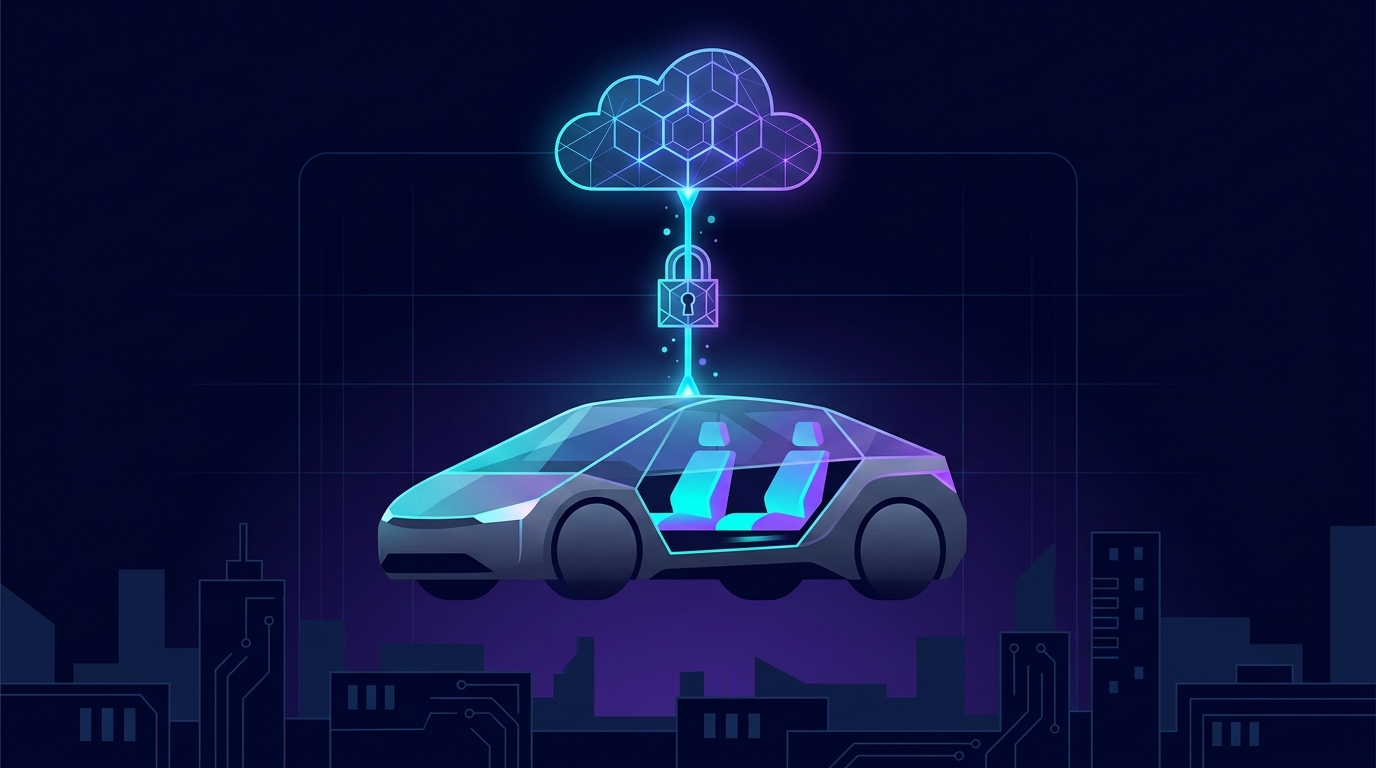
Tesla states it outright in the autonomy agreement: the vehicle cannot operate without an active subscription. The first month is folded into the purchase price; from month two onward, the billing starts. Stop paying, and even with the title in your name, the car won’t move an inch. The buy-it-once hardware handoff gets severed at the last step by a software subscription.
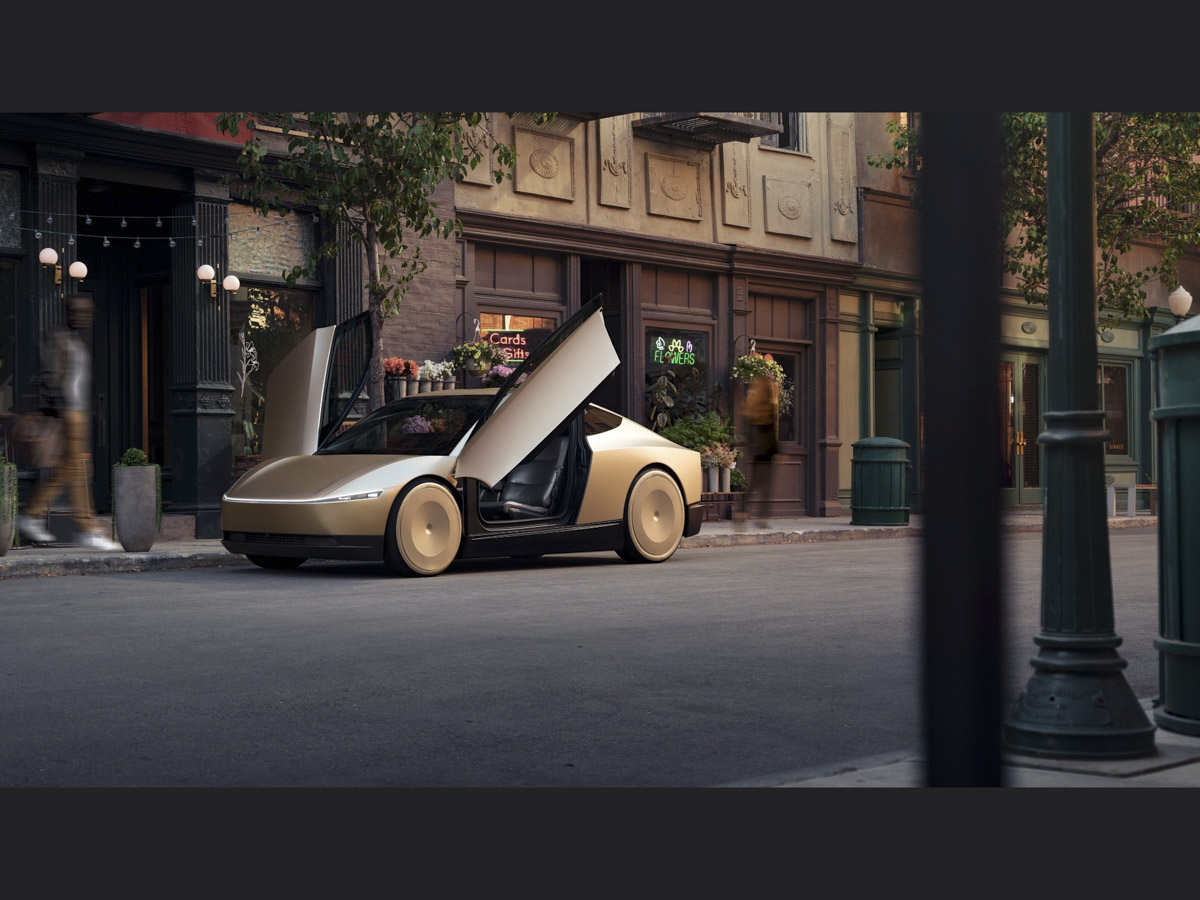 Image: The Cybercab order page and the mandatory subscription terms. Source: Notebookcheck
Five Years of Fees Push the True Cost Toward $50,000
On paper, $29,990 delivers on Musk’s 2024 pledge that the Cybercab would come in under $30,000. What he never mentioned was the cost of keeping it on the road. Once the free first month runs out, autonomy costs owners $3,588 a year.
Over a typical five-year ownership cycle, 59 months of subscription fees add up to $17,641. Stack that on the base price and the total outlay reaches $47,631 — before sales tax, charging, insurance, or routine maintenance. For a compact two-seater with no steering wheel, that’s hardly cheap.
The agreement also hands Tesla unilateral pricing power: rates can go up with nothing more than advance written notice. Buyers hand over a five-figure sum for the hardware and receive, in return, a long-term contract whose rates float at the provider’s discretion. The low sticker price is the entry point; the real product is a monthly renewal cycle that keeps customers locked in.
Geofenced In, Locked Out of Commercial Work
The bill is only half the story. Where the Cybercab may actually drive is locked down just as tightly. For now, autonomy is permitted only inside Tesla’s designated Robotaxi service areas — initially five cities in Texas and three in Florida.
In practice, even those zones shrink. Independent testers have probed thousands of addresses in the software, and in some cities the genuinely usable footprint is only 60 to 70 percent of what’s advertised. At railroad crossings without precise map coverage, the system simply refuses the trip. Beyond these scattered electronic fences, the car has no computational support to move at all.
The agreement piles on a commercial exclusivity clause as well. A privately purchased Cybercab may not be used on any ride-hailing network without official authorization, nor for logistics or delivery work. Owners can’t turn idle capacity into side income, and they can’t drive it to another city on their own. Strip out cross-region mobility and independent earning power, and private property shrinks into a restricted shuttle.
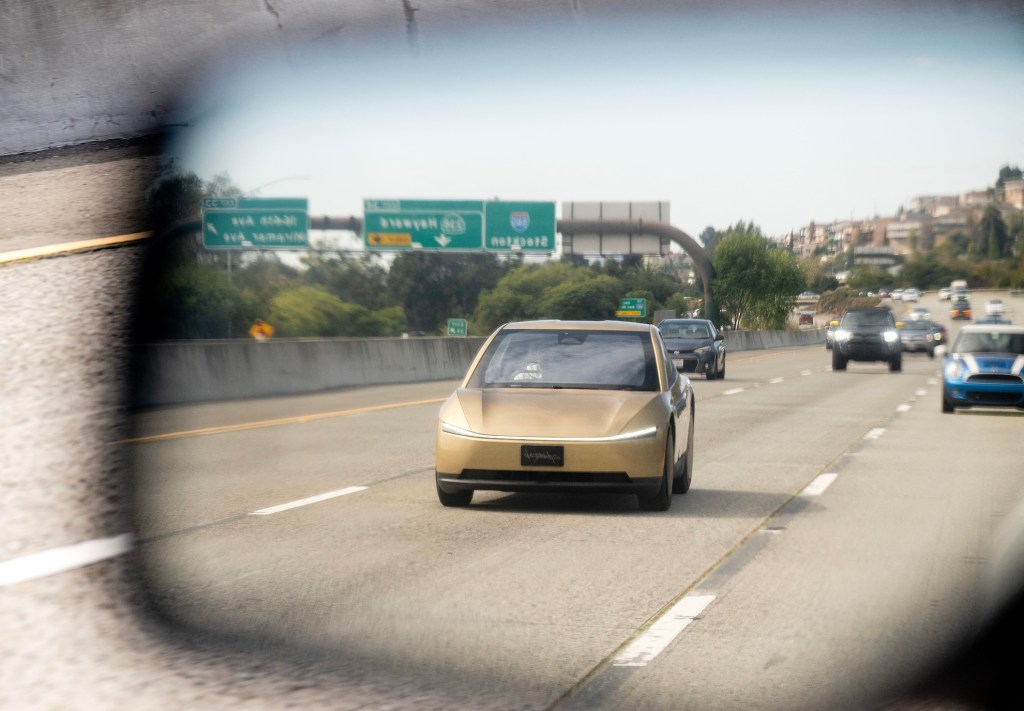 Image: Tesla Cybercab’s two-seat, wheel-free cockpit design. Source: TechCrunch (Getty Images).
Musk Admits the Fee Is “Too High” While the Pedal-Free Design Waits on Regulators
Once the order agreement surfaced, backlash spread quickly through the consumer tech world. High-profile reviewers like Marques Brownlee called it out publicly: the steep monthly fee turns individual buyers into paying beta testers. Elon Musk then responded on social media, conceding that the current monthly price is indeed “too high.”
He argued the Cybercab fee should track Tesla’s existing plans — something close to FSD plus the connectivity package, roughly $115 a month. But he also flagged the bigger bottleneck: a nationwide rollout hinges on regulatory approvals at multiple levels, and legislative timelines vary widely from state to state, making a unified launch date impossible to pin down.
NHTSA has already stepped in, demanding sworn testimony from Tesla on whether a pedal-free design can comply with Federal Motor Vehicle Safety Standards. The fight over the business model is just as heated. Supporters argue the fee covers cloud compute, network upgrades, and the human cost of remote takeover. Critics counter that autonomy-locked hardware is scrap metal, and that paying by the month inverts the whole point of buying a car. Without regulatory clearance or any real consensus, a premium subscription hits a wall of distrust on day one.
Physical Control Stripped Away, Ownership Tilts Toward the Cloud
What stings existing owners most is the double standard on Tesla’s compute platform. Today’s Model Y ships with the same AI4 compute, and those cars are already road-testing in the same limited zones. Yet the owners who paid full price for their software still haven’t been granted unsupervised driving.
By deleting the mechanical linkages, the Cybercab removes the owner’s last line of manual intervention. In a conventional car, even a crashed infotainment system leaves the driver with a steering column and hydraulic brakes to bring things to a safe stop. In a pedal-free cabin, the moment the cloud flags an anomaly, the vehicle becomes immovable furniture.
Car buying is sliding toward a software-rental model built on cloud authorization. Tesla cuts the hardware price, then tightens its grip through remote compute permissions. Once the steering wheel and pedals are gone from the body, what the customer buys is no longer an independent asset — just a premium mobility membership that can lapse at any moment.
References:
- Notebookcheck: Tesla opens $29,990 Cybercab orders, but owners face $299 monthly fee to drive
- Electrek: Tesla Cybercab orders open at $29,990 + $299/mo, only in Robotaxi zones
- Electrek analysis: Tesla Cybercab’s autonomy agreement is insane: $299/mo or it doesn’t move
- TechCrunch: Tesla opens Cybercab orders for personal use