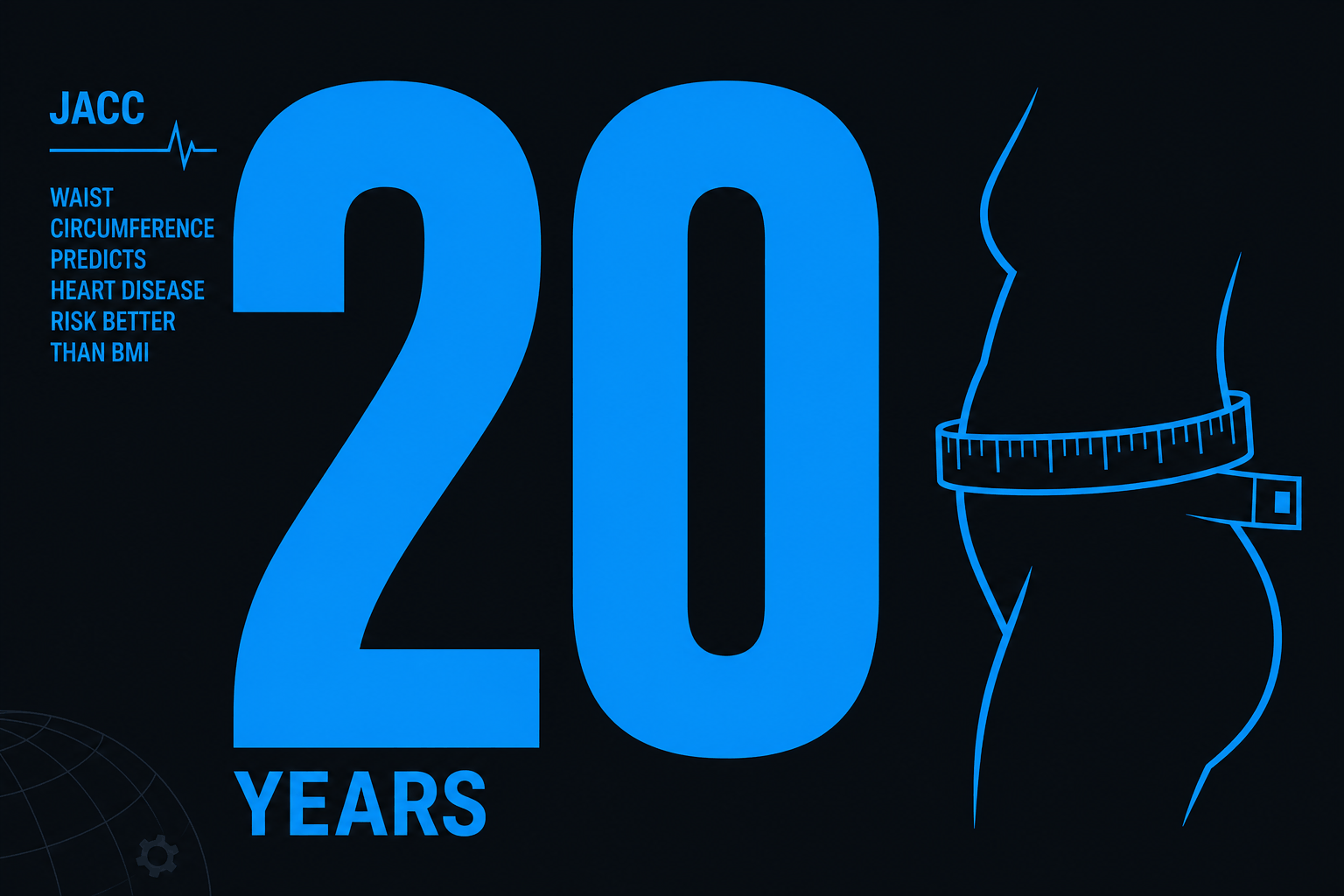
On August 11, 2026, JACC, the flagship journal of the American College of Cardiology, published a landmark 20-year longitudinal study. Following a massive cohort over two decades, the research team revealed that the seemingly perfect BMI figures on routine medical reports offer many a dangerous sense of false security. The data clearly indicates that even for individuals whose BMI falls comfortably within the normal range, an excessive waist circumference still carries a significantly elevated risk of cardiovascular disease.
A 150-Year-Old Statistical Tool Is Misleading Modern Medicine
The widely used Body Mass Index (BMI) formula was originally devised in the 1830s by Belgian statistician Adolphe Quetelet. Quetelet created this calculation solely to map population-level physical traits; he never intended it to diagnose individual cardiovascular health. In 1972, epidemiologist Ancel Keys introduced it to the public health domain, and since then, medical checkups have relied on body weight divided by height squared as the gold standard of health assessment.
However, this metric on the scale suffers from inherent structural flaws. BMI is merely a zero-dimensional mass ratio that lumps together muscle, bone, subcutaneous fat, and abdominal visceral fat into a single figure. Muscular individuals are frequently misclassified as obese, while truly high-risk individuals whose fat accumulates predominantly around the abdomen receive misleadingly normal health reports. By relying strictly on BMI screenings, health systems miss vast numbers of high-risk individuals suffering from central obesity every year.
Abdominal Visceral Fat: The Metabolic Factory Beneath the Skin
Fat stored in different areas of the human body poses vastly different threats to the cardiovascular system. Subcutaneous fat in the thighs and buttocks is relatively inert, serving primarily as an energy reservoir. In stark contrast, abdominal visceral fat—which wraps around vital organs such as the liver and intestines—is extraordinarily metabolically active, constantly secreting free fatty acids and pro-inflammatory cytokines into the bloodstream.
 Figure: Waist measurement and abdominal visceral fat distribution scheme. Source: ACC / EurekAlert
These active visceral fat deposits directly trigger insulin resistance, dyslipidemia, and vascular endothelial damage. A sedentary individual with a BMI of 22 but a waist circumference of 95 cm faces a dramatically higher risk of atherosclerosis and myocardial infarction than a fitness enthusiast with a BMI of 28. The cardiovascular system does not care about total body mass; it cares whether internal organs are constantly bathed in inflammatory visceral fat.
20 Years of Follow-Up Data Expose the Truth: Tape Measure Beats the Scale
The 20-year longitudinal tracking data released by JACC fundamentally dismantles the traditional reliance on BMI alone for cardiovascular risk assessment. Regression analysis conducted on waist circumference (WC) and waist-to-hip ratio (WHR) confirmed that both metrics possess exceptionally strong independent predictive power for major adverse cardiovascular events (MACE). An official press release from the American College of Cardiology highlighted expert commentary: “This enormously important study … authoritatively shows that waist circumference and waist-to-hip ratio provide critical information about cardiovascular risk, even among people with a BMI considered normal.”
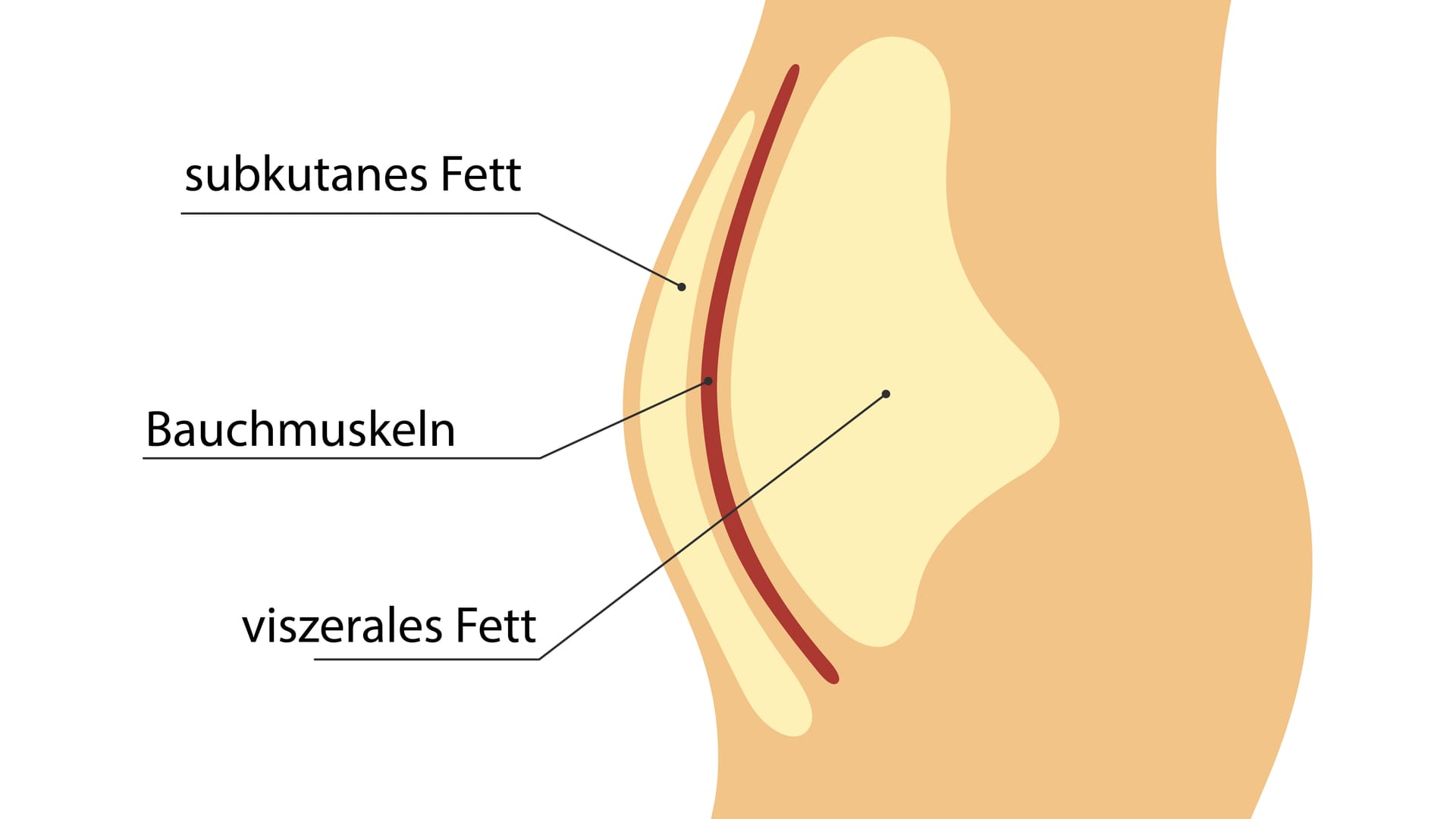 Figure: 20-year tracking data comparing waist circumference/WHR vs. BMI predictive accuracy. Source: ACC / EurekAlert
The publication sparked extensive discussions across technology and health communities such as Hacker News. Many medical professionals noted that routine checkups have long clung to BMI because measuring height and weight is extremely inexpensive and easy to standardize. However, this low-cost screening model directly causes countless metabolically abnormal individuals to miss the critical window for early intervention.
Navel Level at Full Expiration: How to Self-Check with a Tape Measure
Compared to expensive full-body CT scans or Dual-Energy X-Ray Absorptiometry (DEXA), a simple flexible tape measure is the most cost-effective tool for individuals to assess their own cardiovascular risk. To measure waist circumference accurately, stand naturally and wrap the tape horizontally around the waist at the level of the navel at the end of a normal exhalation. According to World Health Organization (WHO) Asia-Pacific guidelines, a waist circumference of ≥90 cm for men and ≥80 cm for women signals a significantly increased cardiovascular risk.
In addition to absolute waist circumference, the waist-to-hip ratio (WHR) serves as another vital metric for identifying central obesity. Divide the waist measurement by the circumference of the hips at their widest point. Under WHO criteria, a WHR of ≥0.90 for men and ≥0.85 for women indicates central obesity. The abdominal data obtained from a dollar-store tape measure offers diagnostic value for metabolic syndrome that far exceeds that of routine medical screening packages costing thousands of dollars.
Institutional Inertia vs. Individual Proactivity
Overhauling clinical screening standards that have persisted for over half a century is an uphill battle. Public health systems, constrained by frontline training costs and population screening logistics, will likely continue using BMI as a basic screening tool in the short term. However, this should not prevent individuals from proactively upgrading their health tracking by adding waist measurements to eliminate the blind spots of standard lab reports.
Behind this ongoing debate lies an inevitable clash between aggregate statistical tools and personalized precision medicine. While medical guidelines take time to evolve, arterial stiffness will not pause to wait for institutional consensus. A clean bill of health based solely on the scale cannot shield your heart. Reaching for a tape measure and tracking your waistline is the real starting point for abandoning false security and taking genuine control of your cardiovascular health. Anyone committed to long-term wellness would be wise to measure and log their waist circumference and WHR today.
Reference Links:
- JACC 20-Year Cardiovascular Risk Longitudinal Study Paper
- ACC Official Press Release
- Telegraph 20-Year Follow-up Study Coverage
- Hacker News Discussion on Medical Screening Standards and BMI Limitations