When winter closes in, humans seal windows and turn up the heat, seeking shelter from biting cold and circulating seasonal viruses. We instinctively assume that freezing temperatures and heavy snowpack act as a barrier against pathogens, creating a sanctuary for fragile lives.
High in California’s Sierra Nevada, newly metamorphosed toadlets do something remarkably similar. Before the bitter alpine freeze arrives, they burrow several feet underground, relying on subterranean warmth to ride out blizzards and sub-zero temperatures. Yet when spring arrives and snow finally melts, ecologists have discovered a grim reality: emerging from their winter haven, the young toads have walked into a deadly trap rather than a new beginning.
Small Toadlets Under 5 Centimeters Burrow Underground to Escape Winter Freeze
The Yosemite toad (Anaxyrus canorus), an alpine amphibian measuring just 2.5 to 7.6 centimeters (1 to 3 inches), is endemic to California. Adults are barely half the length of a human finger. Hard-hit by habitat loss and disease, they were listed as threatened under the U.S. Endangered Species Act in 2014. Their geographic range is extremely restricted, living almost exclusively in high-elevation wet meadows throughout Yosemite, Sequoia, and Kings Canyon national parks.
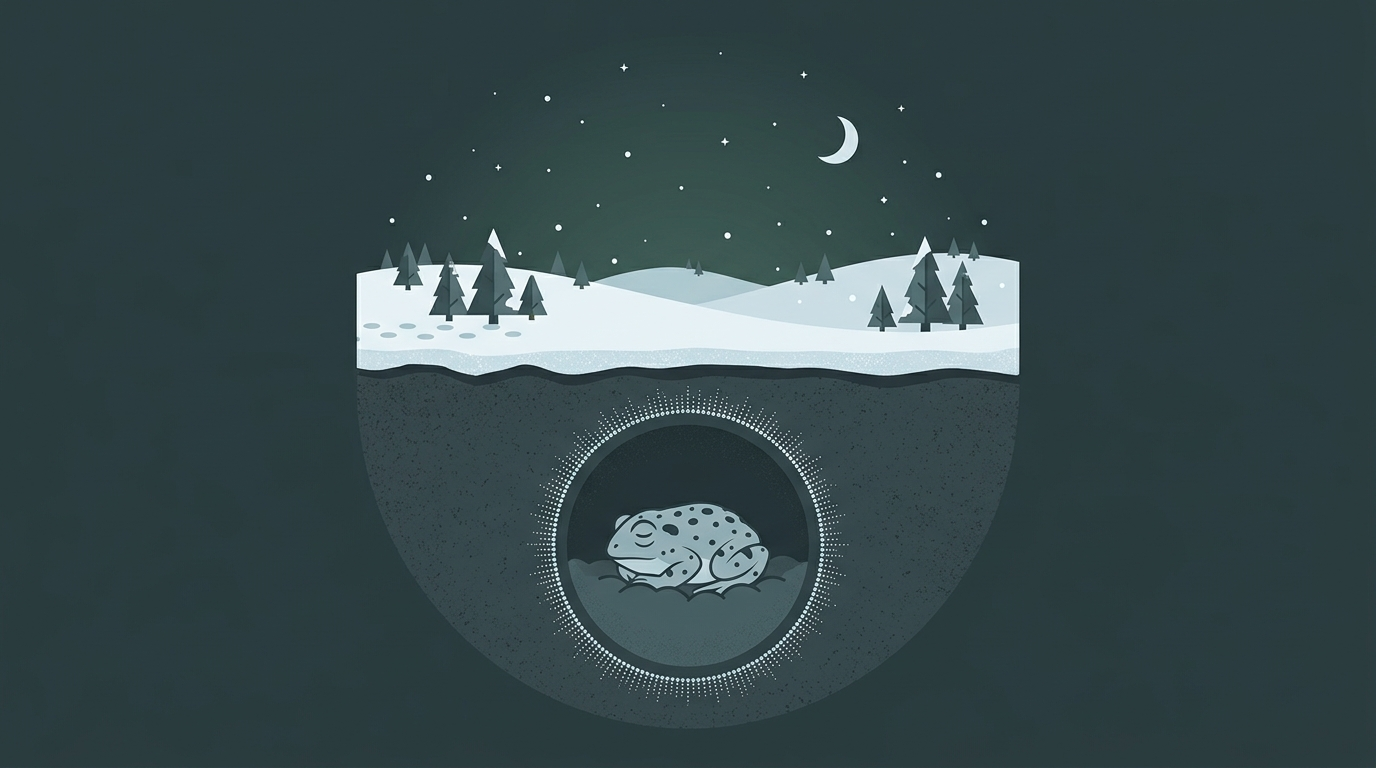
Each late autumn, as alpine temperatures plummet, toadlets that have just completed metamorphosis from tadpoles face an existential test. To prevent their body fluids from freezing, they burrow deep into abandoned rodent holes and subterranean crevices, entering a state of winter brumation beneath a heavy snowpack. For these tiny creatures—measuring under 5 centimeters—subterranean burrows seem like the ultimate safe haven to survive the grueling Sierra winter.
UCLA Team Collects 1,800 Swabs to Uncover the Truth at Snowmelt
To understand the disease dynamics, a team of researchers from the University of California, Los Angeles (UCLA) teamed up with Yosemite National Park for multi-year field surveillance. Between 2021 and 2023, scientists ventured into subalpine meadows thousands of meters above sea level across six survey sites, collecting 1,800 skin swabs from toads across different life stages. These swabs were screened using polymerase chain reaction (PCR) tests—the same high-sensitivity molecular diagnostic technology widely used to detect COVID-19.
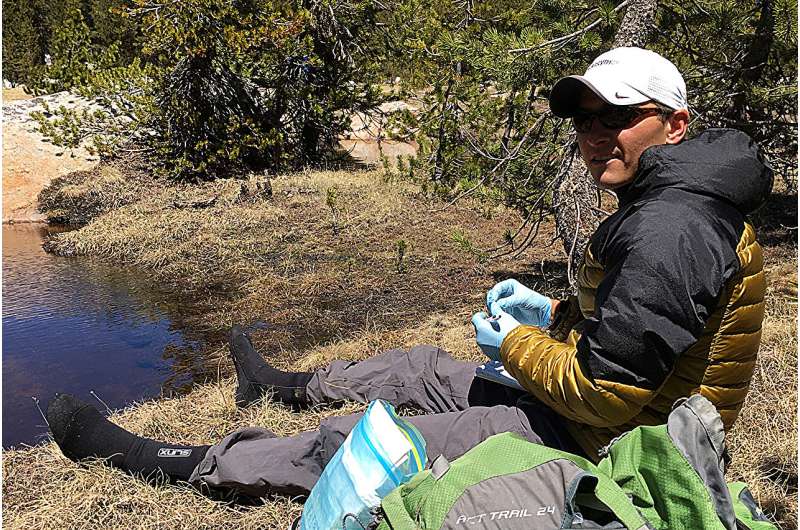 Figure: UCLA ecologist Dave Daversa conducting field research in Yosemite. Credit: Phys.org (Dave Daversa)
When the researchers compared infection rates before and after hibernation, they uncovered a staggering contrast. In autumn, before entering their burrows, only about 23% of wild toadlets tested positive for the fungus, with the vast majority appearing healthy. But when the same cohorts emerged the following spring during snowmelt, the infection rate skyrocketed past 90%, with many young toads suffering severe infections. By comparison, mature adult toads breeding in water pools had an infection rate of less than half that figure.
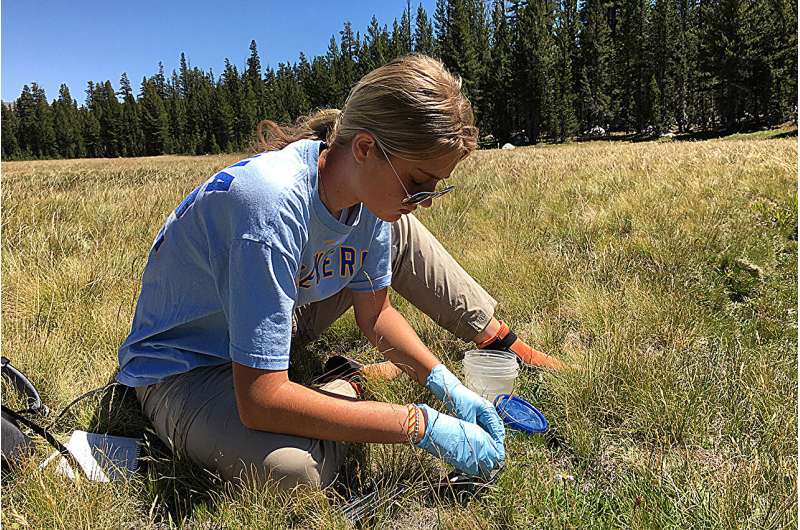 Figure: UCLA undergraduate Molly Posta collecting samples in an alpine meadow. Credit: Phys.org (Dave Daversa)
Defying Ecological Dogma: Deadly Chytrid Fungus Proliferates on Cold Land Beneath Snow
The culprit behind this mortality crisis is the chytrid fungus (Batrachochytrium dendrobatidis, or Bd), a lethal pathogen that attacks amphibian skin, disrupts electrolyte and water transport, and ultimately triggers fatal cardiac arrest. Globally, Bd has driven catastrophic declines in more than 500 amphibian species, pushing roughly 90 toward likely extinction. For decades, the prevailing consensus held that Bd was predominantly an aquatic pathogen that peaked during spring and summer when amphibians congregate in breeding pools.
The findings from Yosemite’s high meadows shatter that long-standing dogma. The study demonstrates that major outbreaks of Bd infection do not peak in breeding pools, but instead explode inside underground terrestrial burrows during winter hibernation. First author Dave Daversa noted that the results were completely unexpected, flying in the face of conventional wisdom. Co-author Brad Shaffer emphasized that the fungus’s ability to proliferate on land at near-freezing temperatures represents a major ecological shock.
Suspended Immune Defenses: How a Winter Shelter Becomes a Pathogen Incubator
Why did an underground shelter transform into a hotbed of infection? Because the burrows are buried beneath feet of heavy snow all winter, direct observation inside them is virtually impossible. However, ecologists point to several compelling mechanisms. First, some toadlets may enter hibernation carrying undetectable, sub-clinical infections that slowly multiply over months. Second, multiple toadlets frequently crowd into the same tight burrow to conserve heat, where cramped quarters drive rampant cross-transmission.
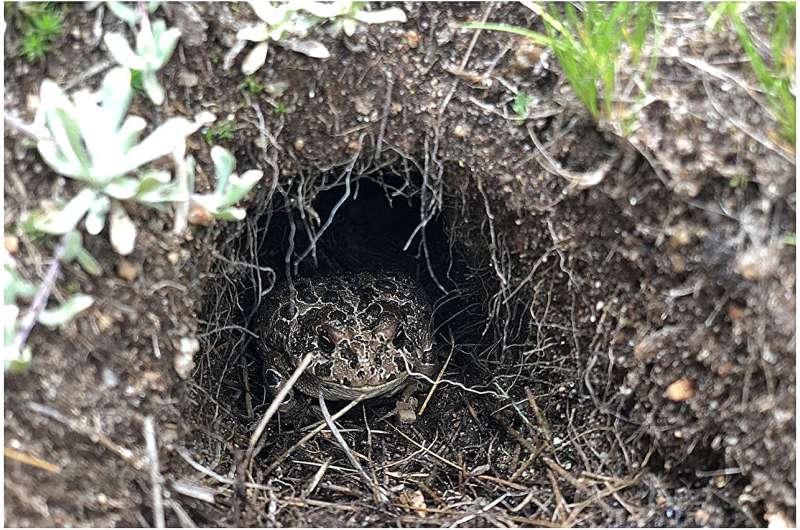 Figure: A Yosemite toad inside an underground burrow. Credit: Phys.org (NPS / Sara Gabel)
The crucial physiological driver lies in a thermal mismatch between host and pathogen. Underground near freezing temperatures, toads—as ectotherms—experience a dramatic drop in metabolic rate and immune function, leaving them virtually defenseless. While Bd fungus activity also slows down in the cold, it continues to grow. Because the animal’s immune defenses shut down even faster than the fungal growth rate, the quiet winter burrow turns into an incubator for unchecked fungal proliferation.
Conservation Programs Shift Strategy: Raising Toads to Adulthood Before Release
This discovery has not only rewritten scientific understanding of chytrid transmission, but has also revolutionized conservation strategies on the ground. Previously, captive-rearing initiatives run by the San Francisco Zoo and the National Park Service released lab-reared metamorphs directly into alpine meadows. Conservationists had hoped to acclimate young toads to natural hibernation as early as possible—unwittingly delivering vulnerable juveniles straight into underground pathogen nurseries.
Armed with these insights into winter transmission, the reintroduction team promptly altered its playbook. Conservation managers now keep captive-reared toads in protected greenhouse environments for several years, allowing them to grow into robust adults with mature immune systems before releasing them into the wild. This bypasses the critical, high-risk window of first-winter infection, offering the threatened Yosemite toad a vital lifeline toward population recovery.
Surviving winter freezing inside an underground burrow does not guarantee survival. Deep beneath the snowpack, winter burrows have served as a hidden nursery for deadly fungi, leaving toadlets heavily infected the moment they emerge. Only by identifying where pathogens lurk across all seasons can conservationists build truly effective defenses for endangered wildlife.
Reference Links:
- Science News Report
- Phys.org (UCLA) Press Release
- Functional Ecology Research Paper