Chronic Agony for 800 Million: When Nerves Get Trapped in False Alarm
If you accidentally touch boiling water while pouring tea, the sharp sting causes you to instantly jerk your hand away. That brief, acute burst of pain is a vital protective mechanism designed to keep the body safe from harm.
For people suffering from chronic neuropathic pain—persistent agony triggered by nerve damage, where nerves remain perpetually locked in an alarm state—daily life is an entirely different reality. A gentle breeze brushing against the skin, the friction of clothing, or even the weight of a bedsheet can ignite unrelenting burning or stabbing sensations.
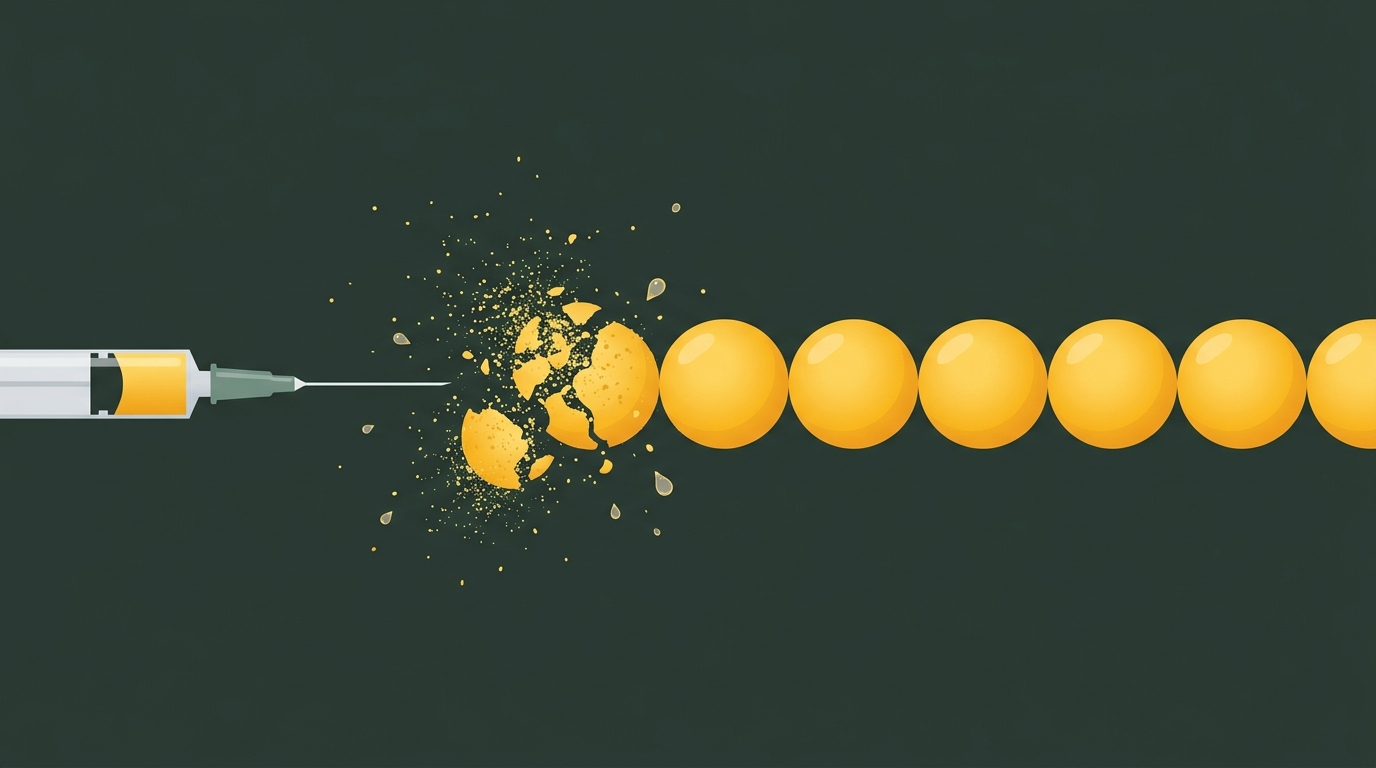
Roughly 10% of the world’s population, or about 800 million people, live with this chronic torment. Traditional analgesics like gabapentin offer limited efficacy and frequently cause dizziness and drowsiness. Opioids carry severe risks of addiction, tolerance, and physical dependence.
Blocking the Pore: Why Traditional Analgesics Fail Against Chronic Pain
Pain signal transmission depends on transmembrane proteins, and the central switch in that cascade is the voltage-gated sodium channel Nav1.8.
Nav1.8 channels are predominantly expressed on nociceptors, the specialized sensory neurons that detect noxious, tissue-damaging stimuli. When a nociceptor is stimulated, the sodium channels open, allowing sodium ions to flood into the cell and generating action potentials that travel to the brain as electrical pain signals.
Historically, the dominant drug-design strategy was simply to plug the Nav1.8 pore. In 2025, the US FDA approved Vertex Pharmaceuticals’ Journavx (suzetrigine), but solely for acute pain indications. Forcibly blocking the channel pore is like throwing a dam across an open floodgate: neurons frequently find alternative firing pathways or adapt, leaving traditional pore-blockers unable to deliver durable relief in chronic pain conditions.
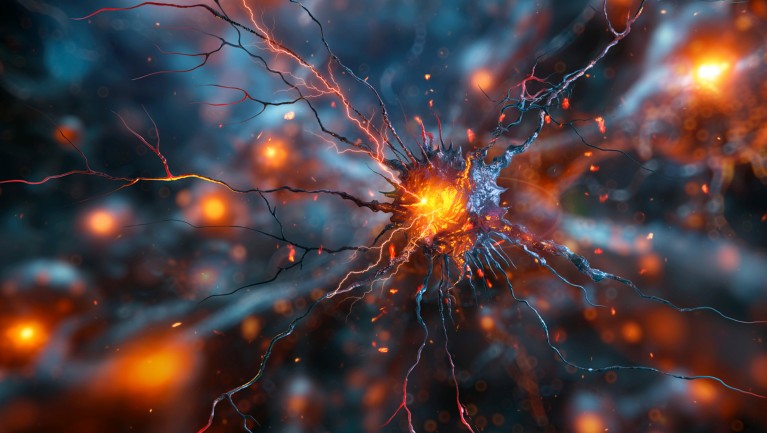 Figure: Pain-sensing neuronal networks fire continuous electrical signals under pathological stimulation. Source: Science Photo Library (Nature).
Shifting Focus to the Membrane Anchor Protein
Researchers in the Clifford Woolf laboratory at Boston Children’s Hospital decided to reframe the problem. First author Rasheen Powell pointed out that ion channels are not static fixtures embedded permanently in the plasma membrane. Instead, membrane proteins exist in a dynamic equilibrium of continuous insertion, stability, and internalization.
Investigating how Nav1.8 channels sustain high-density firing on the membrane, the team found that their persistence relies entirely on a structural scaffold: the scaffolding protein ankyrin-G (also known as Ank3).
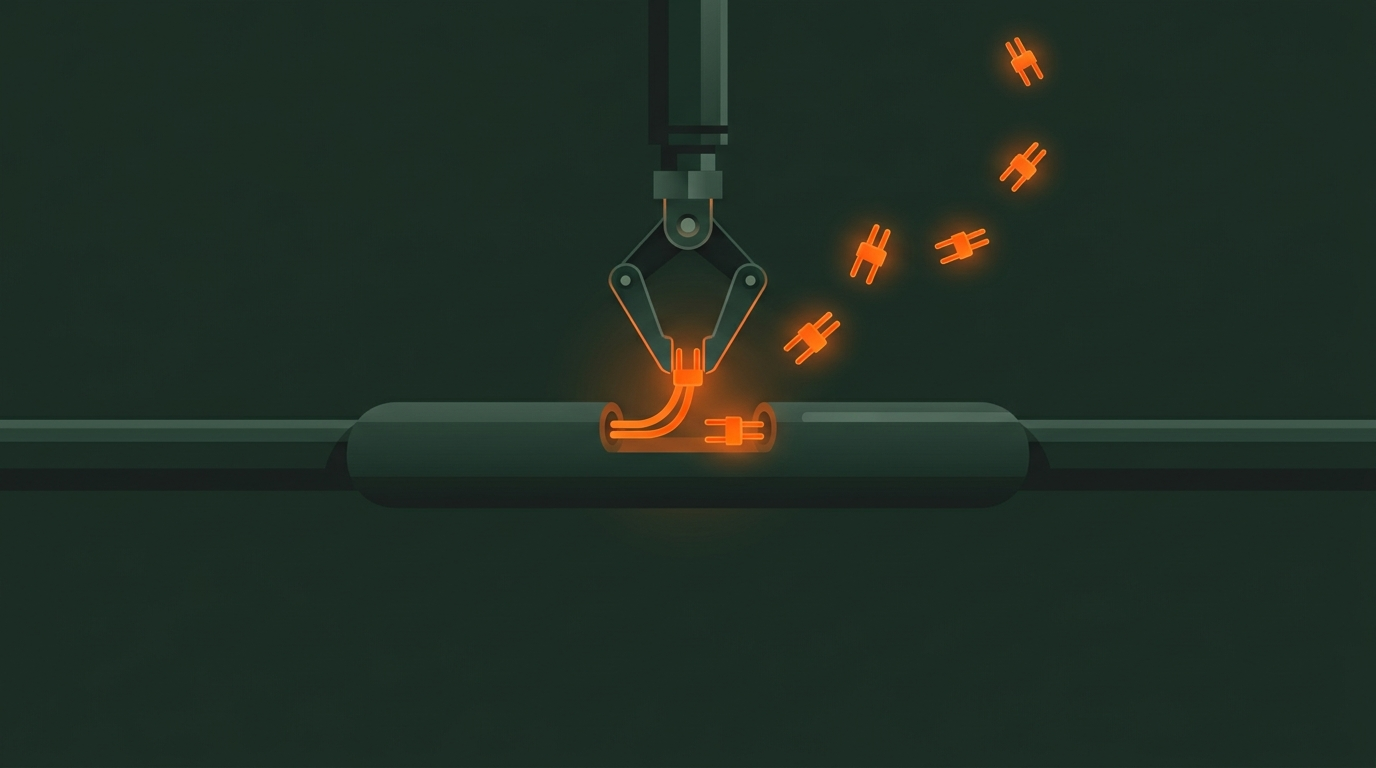
Ank3 acts like a molecular hook anchored to the intracellular face of the cell membrane, pinning Nav1.8 channels firmly to the cell surface. Without Ank3 to anchor them, Nav1.8 channels cannot remain stably positioned at the membrane.
A Decoy Peptide Hijacks the Docking Site to Clear Pain Channels
Leveraging this structural mechanism, the research team designed an intervention molecule: a short lipidated peptide, or SLiP.
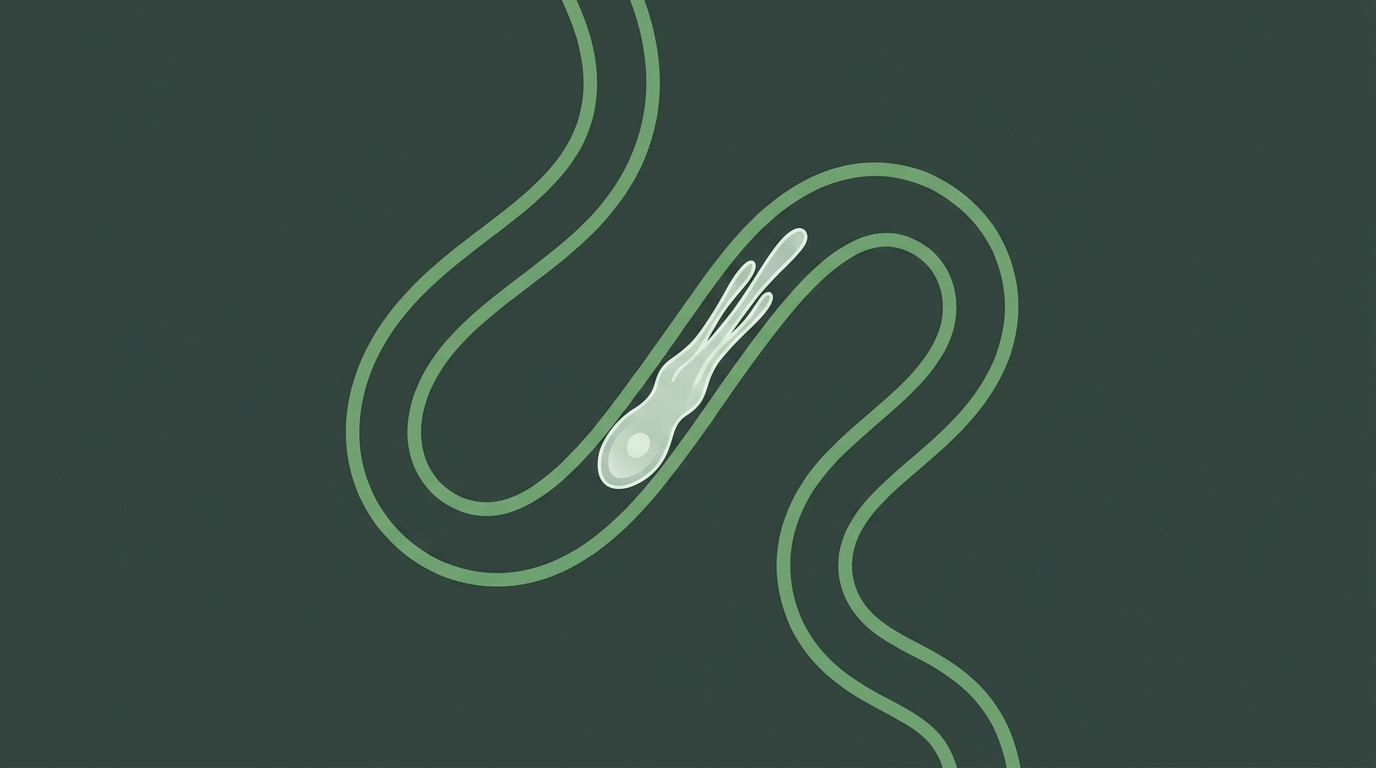
SLiP features a lipid tail that allows it to insert into the lipid bilayer. Diffusing laterally along the inner leaflet of the neuronal membrane, its peptide sequence precisely mimics the binding interface between Nav1.8 and Ank3, acting as a molecular decoy.
Once embedded in the membrane, SLiP competitively occupies the binding pocket on the Ank3 scaffold protein. Deprived of their Ank3 tether, Nav1.8 channels are subsequently internalized and degraded by the cell via endocytosis. As the density of pain-conducting switches on the membrane surface drops, hyperexcitable neurons settle back into a quiescent state.
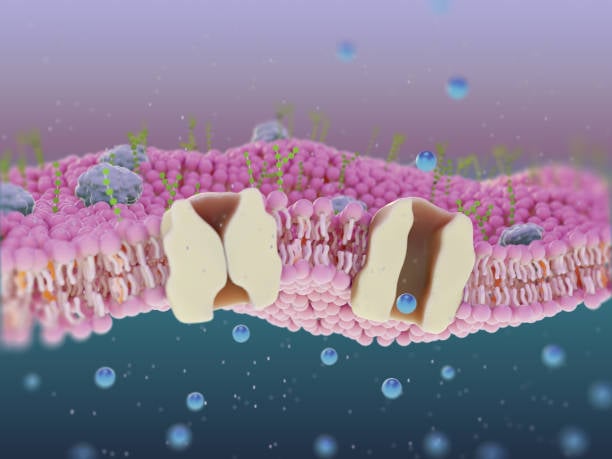 Figure: Schematic diagram of ion channel protein structures embedded in the cell membrane. Source: Getty Images (Fierce Biotech).
Dismantling the Scaffold Restores Neural Calm While Preserving Protective Reflexes
The findings were published on October 6, 2026, in Cell Reports Medicine. In vivo experiments demonstrated that systemic injection of the SLiP peptide significantly attenuated mechanical allodynia and pain hypersensitivity in mouse models of neuropathic pain.
This scaffold-dismantling strategy offers a decisive clinical advantage: while it eliminates pathological high-frequency hyperexcitability, it preserves normal acute nociceptive reflexes. When exposed to noxious heat, mice still withdrew their paws rapidly to avoid tissue damage.
Boston Children’s Hospital has already licensed the technology to startup Mimetic Medicines (founded in 2023), and the team is currently advancing the development of long-acting SLiP drug candidates. Shifting the therapeutic paradigm from forcibly blocking pore channels to dismantling molecular anchors opens an entirely new path for the 800 million patients living with chronic neuropathic pain worldwide.
Reference Links:
- Nature News Report
- Cell Reports Medicine Original Paper
- Fierce Biotech Research Coverage
- News-Medical Official Press Release