For the First Time in 13 Years, New APIs Arrive Without Source Code
Android bills itself as one of the largest open-source projects in the world. Yet on September 15, 2026, the release of Android 17 QPR1 (Quarterly Platform Release 1) did something unseen since 2012: it introduced new developer APIs without publishing the underlying source code to AOSP (Android Open Source Project). These new APIs currently run exclusively on Pixel phones, leaving OEMs like Samsung, Xiaomi, and OPPO completely locked out.
The last time this happened was Android 3.x Honeycomb—the tablet-only branch that was never fully open-sourced. In the years following Honeycomb, Google spent well over a decade proving to the world that “Android is open source.” Now, Android 17 has officially placed an asterisk on that promise.
GrapheneOS Sounds the Alarm
On September 16, GrapheneOS—a security- and privacy-focused alternative Android OS—publicly called out the move on Mastodon, with the post racking up 51 boosts and 92 favorites. GrapheneOS highlighted a particularly revealing detail: their engineering team had already completed the port to Android 17 QPR1 prior to its September 15 release, “but don’t have permission to release it yet.”
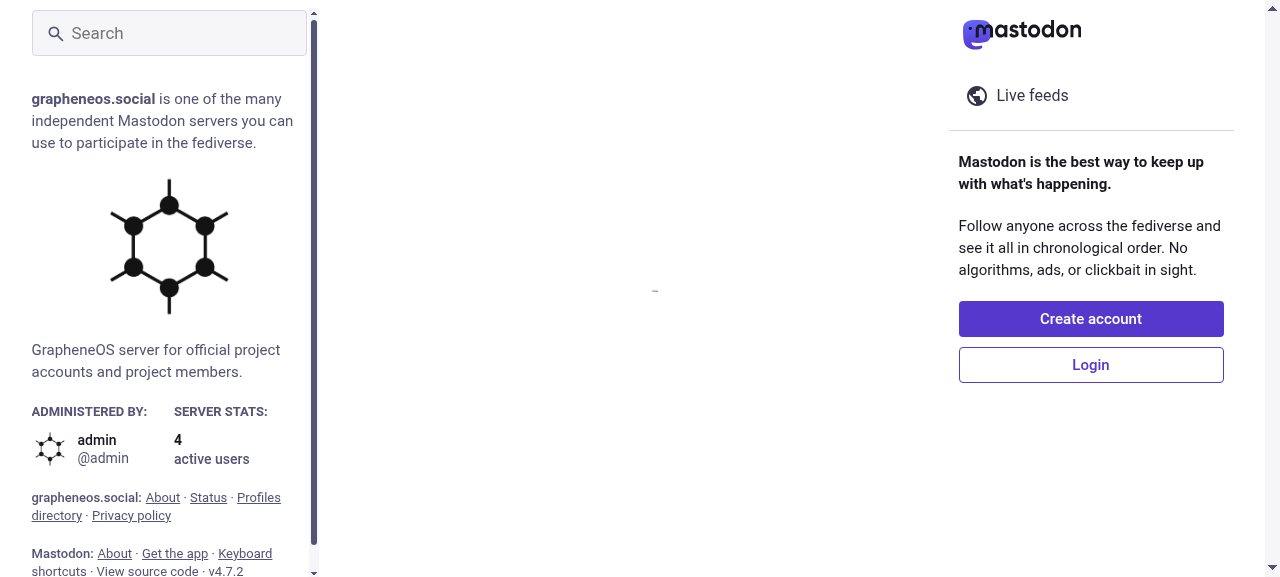 Figure: Official GrapheneOS Mastodon post highlighting that Android 17 QPR1 source code was not released to AOSP. Source: GrapheneOS Mastodon account
In other words, the code is ready, but Google’s sign-off never came. GrapheneOS is now forced to work in reverse—backporting Pixel firmware, kernel drivers, userspace drivers, and hardware abstraction layers (HALs) from Android 17 QPR1 to standard Android 17. Mainstream OEMs face an even longer wait: they will not receive these patches until Android 17 QPR2 drops in December 2026. Google has effectively handed Pixel a full three-month window of feature exclusivity.
While the GNU General Public License (GPL) legally requires Google to release modified source code, it imposes no strict timeline on release cadence. GrapheneOS requested the source code for build CD1A.260905.001.A1 on September 1, yet Google only granted access on September 17—a 16-day delay. The license dictates “you must provide it,” but never specified “you must provide it immediately.”
Security Patches Caught in the Exclusivity Window
Feature exclusivity can at least be framed as aggressive “commercial strategy.” Exclusivity on security patches is far harder to justify.
GrapheneOS revealed that the September 2026 Pixel Update Bulletin includes additional security patches for standard Android platform components used across non-Pixel devices. These shared components suffer from identical vulnerabilities across all Android hardware. Yet these crucial fixes were neither included in the general September 2026 Android Security Bulletin nor distributed via preview patch releases.
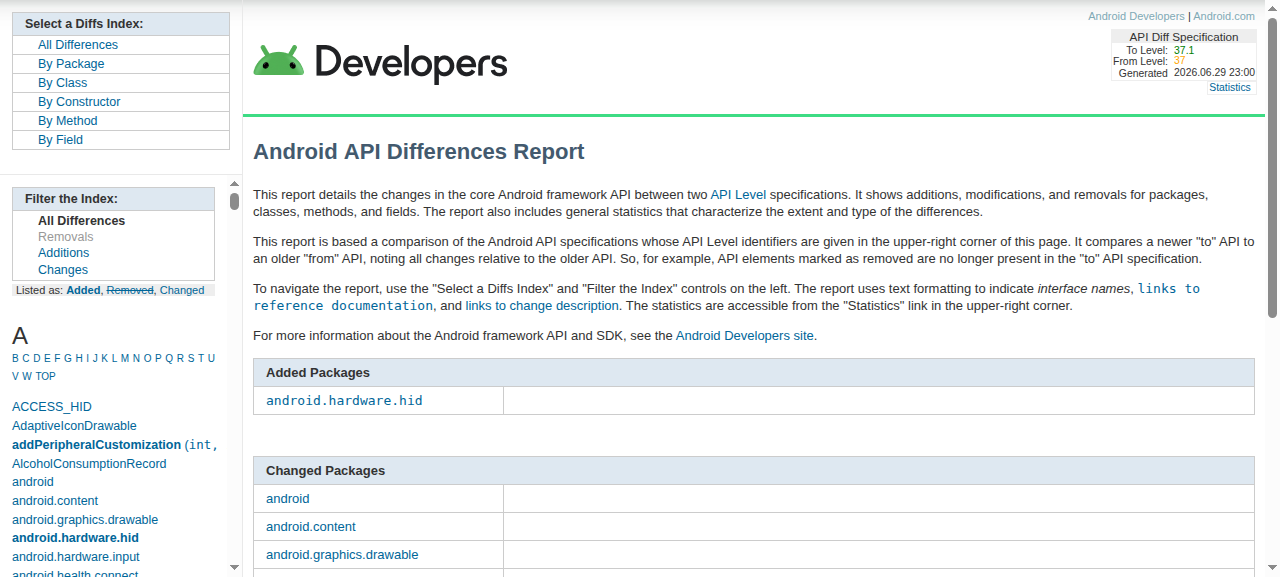 Figure: API difference page between API Level 37 and 37.1 on the official Android developer portal. Source: developer.android.com
GrapheneOS pulled no punches in its public statements: “Google should not be gatekeeping security patches to the standard Android platform code from Android OEMs but that’s what they’ve started doing.” They followed up with a sharper barb: “It would be interesting to know if Google’s legal team is aware they’re giving Pixels months of early access to new Android features and bug fixes including certain important security patches.”
In market terms, delaying security patches gives Pixel a three-month head start. At the user level, it leaves billions of non-Pixel Android devices exposed to known attack vectors for an additional ninety days. Features can afford to wait; vulnerabilities cannot.
Calls for a Hard Fork Clash with Engineering Reality
The revelation ignited intense debate on Hacker News, amassing 389 points and 177 comments. The top comment connected Google’s recent pattern of behavior—upstream patch delays, source code embargoes, tightening hardware attestation—drawing the blunt conclusion: “Google simply regrets android being open source.” Another commenter was even more radical: a hard fork must happen immediately, before community alternatives cease to exist altogether.
Yet calls for a fork immediately collide with harsh engineering realities. Hard-forking Android demands that an independent community shoulder Google-scale engineering overhead: hardware driver adaptations, monthly security backports, Compatibility Test Suite (CTS) validation, and ongoing ecosystem maintenance—each requiring staggering capital expenditure. The Linux desktop spent two decades without displacing Windows; forking modern Android presents an even steeper barrier to entry. GrapheneOS itself acknowledged that Pixels have now become “significantly harder to support.” What was once Pixel’s biggest selling point for alternative ROMs—its close alignment with vanilla AOSP—is rapidly evaporating.
Open-Source Licenses Govern the Code, Not the Clock
Android’s open-source legacy has always rested on an overlooked foundation: Google open-sourced the platform in 2008 because it desperately needed hardware manufacturers to capture market share. Samsung, Huawei, and Xiaomi helped propel Android onto more than 70% of smartphones globally. With that dominant market share firmly secured, “open source” has shifted from an unassailable default into a negotiable bargaining chip. Android 17 QPR1 is an unmistakable assertion of leverage: new capabilities and critical patches land on Pixel three months before anyone else gets a look.
Downstream players are left with three choices: OEMs wait for QPR2 in December; independent projects like GrapheneOS resort to arduous reverse-engineering; end users simply buy a Pixel. All three paths converge on the same outcome: Google dictates the timeline. Open-source licenses ensure the code will eventually see the light of day. But the three-month gap hidden inside that “eventually” is more than enough for Pixel to widen its lead in features, security, and market position.
References:
- GrapheneOS Mastodon Post
- Hacker News Discussion
- Android Developer Documentation API Differences Page
- Android Security Bulletin (September 2026)