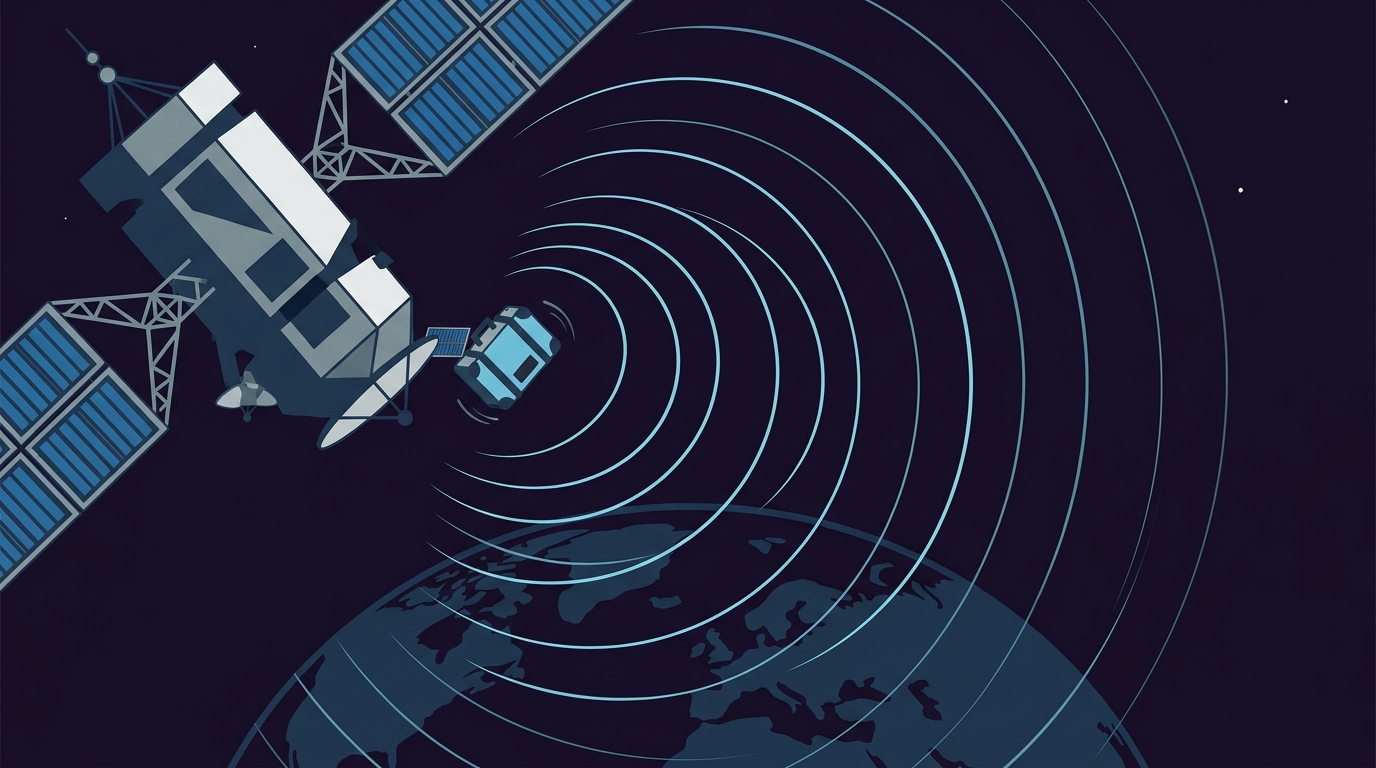
In 1963, the US Air Force quietly strapped a payload no larger than a suitcase to the flank of a massive reconnaissance satellite and sent it into orbit. Dubbed the “hitchhiker,” this dirt-cheap device inaugurated a global radar-eavesdropping constellation that endured for more than forty years. Standing against multibillion-dollar aerospace behemoths, these opportunistic micro-satellites ended up shouldering much of the world’s tactical electronic intelligence.
Strapped to the Camera: Forty Years of Guerrilla Space Warfare
Between 1971 and 1986, twenty massive HEXAGON photo-reconnaissance satellites were launched from California. As these titans surged into space, they frequently carried miniature subsatellites mounted along their flanks under the designation Program 989. Once in orbit, the subsatellites were cast off into polar orbits of their own. This two-for-one piggyback delivery model slashed per-mission launch costs to the bone.
The subsatellites bristled with deployable antennas, resembling spiked metal trunks. Spinning rapidly in space, their antenna arrays swept endlessly across the earth below, voraciously scooping up electronic intelligence (ELINT). Whether it was a strategic early-warning radar or a front-line surface-to-air missile battery, any emitter that pulsed was promptly recorded and relayed to the ground.
Lockheed initially referred to these diminutive satellites as Program 11 (P-11), later formalized as Program 989, embedding the hitchhiking concept into the intelligence community’s standard playbook. As procurement quantities tapered over the decades, official documentation often skipped program numbers altogether, referring to missions solely by the name of the individual satellite.
Early subsatellites survived for only a few months; drag from large, low-frequency spiral antennas quickly pulled them down into the atmosphere. Yet rapid trial and error drove aggressive iteration. The Secretary of the Air Force Special Projects office poured resources into extending orbital lifespans. Far from being eliminated by an escalating, high-cost space race, this budget swarm outlasted nearly all of its heavy competitors.
Suitcase-Sized Payloads Cracking Global Radar Bands
Ground-based radars emit a powerful mainbeam forward, flanked by widespread but faint sidelobe signals. While the mainbeam concentrates tremendous energy into a narrow cross-section, sidelobes spread broad, whisper-quiet echoes. High-altitude satellites require gigantic parabolic dishes simply to detect these elusive sidelobe leaks.
Program 989 sidestepped this brute-force antenna arms race. By operating in low Earth orbit (LEO), these suitcase-sized craft leveraged proximity to dive straight through the mainbeam itself, largely ignoring faint sidelobes. Flying low and passing overhead at blistering speed, even compact antennas could capture critical radar parameters with surgical clarity.
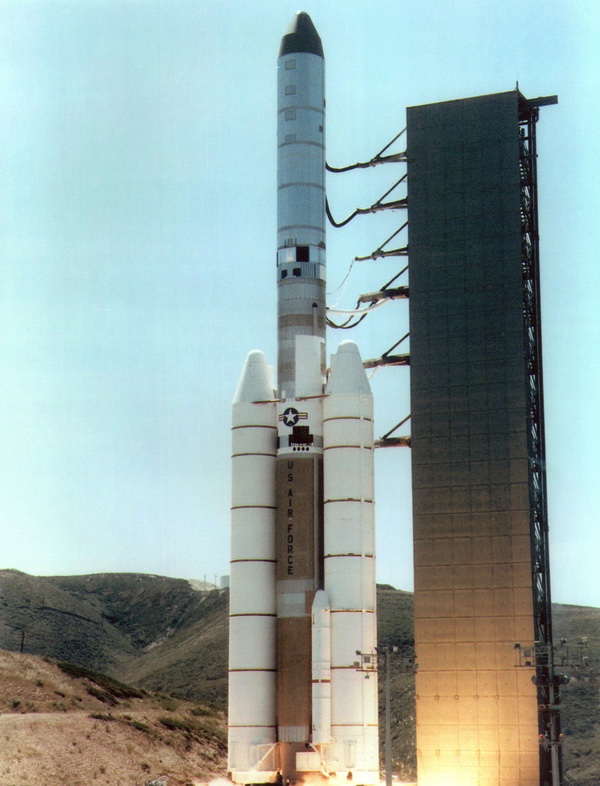 Figure: The HEXAGON photo-reconnaissance satellite and its piggybacked subsatellites. Source: The Space Review
Engineering tradeoffs of the era were ruthlessly pragmatic, replacing massive rigid dishes with flexible rib-style antennas. While low orbit turned the thin upper atmosphere into a relentless lifespan killer, it granted the unique strategic privilege of eavesdropping directly on Soviet air defense networks. Like a swarm of mosquitoes skimming just above radar domes, they bit off the sharpest signals available.
Trading physical volume and orbital altitude for signal strength was a masterclass in exploiting physics. Engineers converted stringent launch constraints into tactical advantages, squeezing vital payloads into the leftover volume of launch vehicles. Soviet radar operators were caught off-guard—a silent hitchhiker could lurk behind virtually any mundane satellite launch.
Geosynchronous Behemoths Blind at the Poles: Low-Orbit Swarms Fill the Void
In the late 1960s, the National Reconnaissance Office (NRO) began lofting heavy signals intelligence (SIGINT) satellites into geosynchronous orbit (GEO). These massive orbital sentries kept an unblinking eye on Soviet microwave communications across vast expanses. Yet the physics of high orbit imposed severe constraints: they were largely confined to equatorial views, fixed over the Eastern or Northern Hemispheres.
A geosynchronous satellite parked permanently over Moscow could not see radar installations lighting up across Central America or southern battlefronts. This left gaping blind spots in America’s intelligence collection. The larger and more specialized a strategic platform became, the less capable it was of pivoting to regional crises. Low-orbit Program 989 craft operated precisely in that gap.
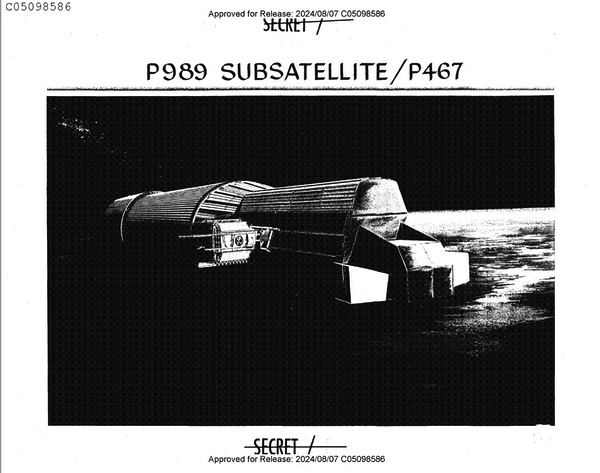 Figure: Subsatellites deployed off the side of HEXAGON during the 1970s and 1980s. Source: The Space Review
Heavy satellites anchored strategic surveillance against primary superpowers, while micro-satellites ran global sweeps to map emerging tactical radar arrays. The two architectures coexisted for decades; low-orbit assets were never rendered obsolete by advances in high-orbit technology. As regional brushfires proliferated, global-coverage LEO clusters became the Pentagon’s most indispensable tactical feed.
In intelligence collection, depth and breadth remain an eternal tradeoff. Rather than attempting to cram every mission into a single unwieldy platform, American planners patched blind spots with inexpensive hitchhikers. This high-low mix proved far more resilient than betting everything on isolated technical breakthroughs.
Actresses as Top-Secret Codenames: The Absurd Theatre of Cold War Secrecy
Throughout the 1960s, these space payloads bore designations like PUNDIT, SAVANT, and SOUSEA. Most originated as inside jokes, puns, or obscure references to intelligence figures. But as Soviet intelligence penetration intensified, leadership developed a profound paranoia regarding any codename that might hint at a satellite’s technical function.
Project managers received strict orders: eliminate every functional clue. In response, a cohort of male engineers flipped open Hollywood magazines and began christening satellites after glamorous screen stars. Polar-orbiting reconnaissance craft suddenly carried names like URSALA, RAQUEL, and FARRAH.
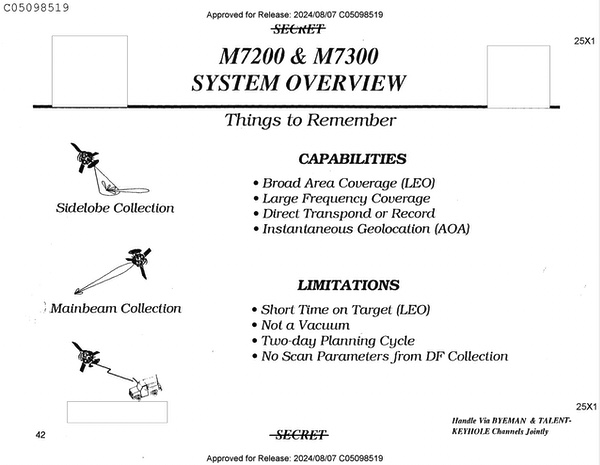 Figure: Radar mainbeams and sidelobes; Program 989 satellites could generally detect both. Source: The Space Review
This arbitrary naming pivot highlighted the neurotic extremes of military secrecy. To shield a radar-intercept program from foreign scrutiny, the defense establishment wrapped it in pop-culture trivia. While it cut off external deductions, it left internal archives populated by a star-studded cast wildly out of place in Cold War debriefs.
Top-secret space assets strapped to heavy boosters burned up in the atmosphere bearing the names of Hollywood sex symbols. When classified dossiers were filled with reports of how a certain actress had intercepted Soviet radar signals that morning, intelligence work bordered on pure theatre. When secrecy rules override common sense, bizarre coping mechanisms inevitably follow.
From White House Exclusives to Tactical Frontlines: Intelligence in the Hands of the Warfighter
Before the 1970s, space-based electronic intelligence was an exclusive delicacy reserved for the top brass. The CIA, NSA, and the White House closely guarded satellite downlinks, while tactical commanders in the field were cut out of the loop. Vital radar parameters lost their tactical shelf life as they crawled through bureaucratic clearinghouses.
Program 989 shattered that monopoly. Standardized subsatellites handled not just long-term radar geolocation, but actively supported live combat operations. For the first time, satellite electronic warfare feeds bypassed bureaucratic gatekeepers and flowed straight to the fingertips of front-line personnel.
Tactical army units, naval carrier strike groups, and air wings became prime customers. When an aircraft carrier battle group needed to identify blind spots in contested waters, subsatellites downlinked signals directly to shipboard terminals. Shortening the intelligence kill chain transformed cold technical parameters into actionable tactical flight plans for strike packages.
During subsequent platform debates, intelligence leaders even explored combining ocean surveillance with radar geolocation into consolidated architectures. This evolution from single-purpose strategic reconnaissance to multi-role tactical support fundamentally redefined the role of military satellites. They ceased being bargaining chips reserved for politicians, transforming into the warfighter’s crosshairs.
Forty years of hitchhiker satellites stripped the invincible aura from monolithic aerospace mega-projects. By deploying cheap, rapidly iterating satellites, the program turned orbital reconnaissance into a scalable war of tactical attrition. The Hollywood actresses on those mission rosters remain the most colorful footnote in the Cold War secrecy apparatus. When national survival relies on suitcase-sized gear tucked onto someone else’s booster, true technological dominance means pouring resources into the places closest to the sound of the guns.
Reference Links:
- The Space Review Report