On October 9, 2026, Apple seeded macOS 15.8.2 beta build 24H219. Immediately following this routine maintenance update, several everyday desktop productivity and developer tools opened to completely blank, white windows. No crash dialog appeared; applications like the Godot game engine and popular terminal emulators simply launched with dead, white canvas areas.
A minimal reproduction revealed hasDrawable=0 and GL_FRAMEBUFFER_UNDEFINED, indicating a low-level physical disconnect in the windowing pipeline. The incident disrupted long-planned deprecation timelines: an eight-year transition window suddenly collapsed into a de facto functional breakage during a routine maintenance update.
Windows Turn Completely White, Productivity Tools Paralyzed
On October 9, 2026, developer tobycroft filed issue #124311 in the Godot engine repository. After updating to macOS 15.8.2 (24H219), both stable and development builds of the Godot Project Manager launched into a solid white window. Clearing the Application Support cache directory and re-downloading fresh binaries yielded identical results.
Behind the scenes, the engine’s backend remained completely functional. Launching Godot from a terminal showed normal initialization logs: user preferences and editor themes loaded without issue, and Metal properly identified the M1 Pro silicon. Frontend window rendering stalled entirely, even though backend execution logic and hardware handshakes were unaffected.
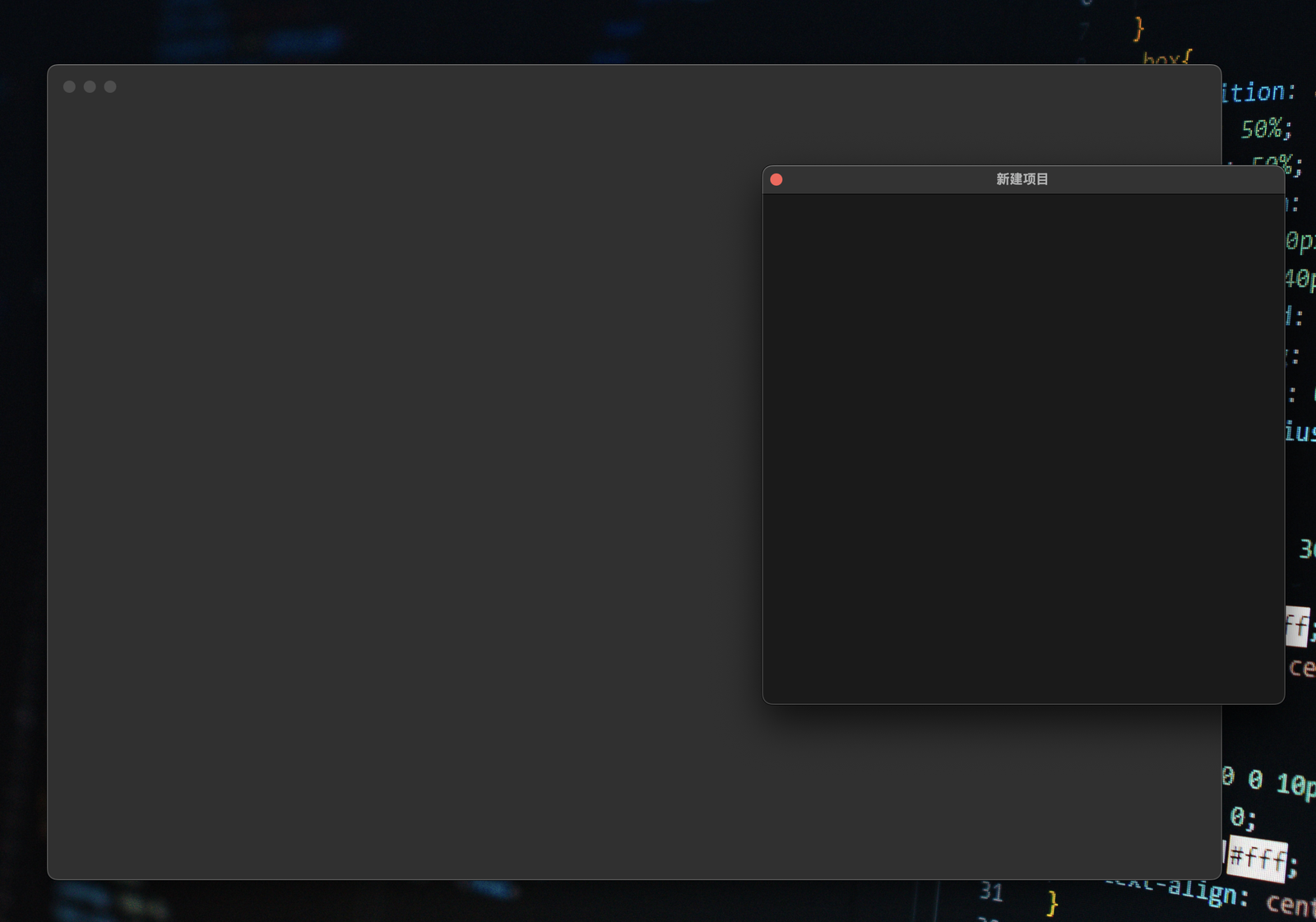 Figure: Godot Project Manager launching to a white screen on macOS 15.8.2. Source: godotengine/godot issue #124311
This was far from an isolated engine bug. Over the subsequent days, identical reports surfaced across multiple core developer tools. The GPU-accelerated terminal kitty reported an empty grey/white viewport. Alacritty 0.17 launched into completely vacant windows. 3D printing slicer Bambu Studio 2.8.2.61 lost its operation panels and toolbars on M4 Mac mini systems. Commercial creative apps were hit as well: Sony’s Imaging Edge Desktop Viewer and DJI Studio suffered from black main windows or non-functional preview panels. The regression spanned Apple Silicon hardware from M1 up to the latest M4, M4 Pro, and M4 Max chips.
Driver Versions Unchanged, Yet Kernel Surface Validation Fails
Ordinarily, widespread window rendering failures indicate major graphics stack overhauls. However, macOS 15.8.2 left core graphics component versions untouched. IOGPUFamily remained at 104.6.6, the AGXG13X driver stayed at 329.2, and IOSurface persisted at 372.5.4. Even in the subsequent Release Candidate 2 build (24H225, released October 14, 2026), these driver versions remained identical. The only changing factor was the kernel build number itself.
Despite identical component version numbers, the interface state delivered to user-space applications differed fundamentally. Running minimal test harnesses on macOS 15.8.1 returned expected context queries: hasDrawable=1 status=0x8cd5 glError=0x0. On builds 24H219 and 24H225, the identical binary reported hasDrawable=0 status=0x8219 glError=0x506.
The error codes pinpointed where the pipeline broke. status=0x8219 corresponds to GL_FRAMEBUFFER_UNDEFINED in the OpenGL specification, meaning no default framebuffer exists. glError=0x506 translates to GL_INVALID_FRAMEBUFFER_OPERATION, which triggers whenever an application attempts to draw into an invalid framebuffer.
Deep system logs clarified the exact handoff breakdown. While user-space calls to CGSBindSurface succeeded, subsequent IOGPU client interface calls returned kIOReturnBadArgument. Kernel traces revealed IOGPUGLDrawableUserClient::set_surface logging Invalid surface ID, causing CGLSetSurface to fail with kCGLBadDrawable (error code 10005). The GPU driver retained full rendering capabilities; the breakdown occurred when WindowServer validated surface handles passed down to the kernel.
Offscreen FBOs Work Normally, Native Window Surfaces Lose Drawables
A key diagnostic characteristic of this regression was its surgical selectivity. When applications redirected draw calls to offscreen framebuffers (FBOs) or utilized CAOpenGLLayer, the GPU rendered textures normally. The failure was strictly confined to OpenGL contexts bound directly to native desktop window surfaces.
Whether using legacy NSOpenGLView or explicitly invoking -[NSOpenGLContext setView:], the OS failed to attach hardware-backed surfaces to native windows. The issue cut across architectures: native Apple Silicon arm64 binaries and Rosetta-translated x86_64 executables exhibited identical failures. Regardless of layer-backing flags or threading models, kCGLCPHasDrawable consistently evaluated to 0.
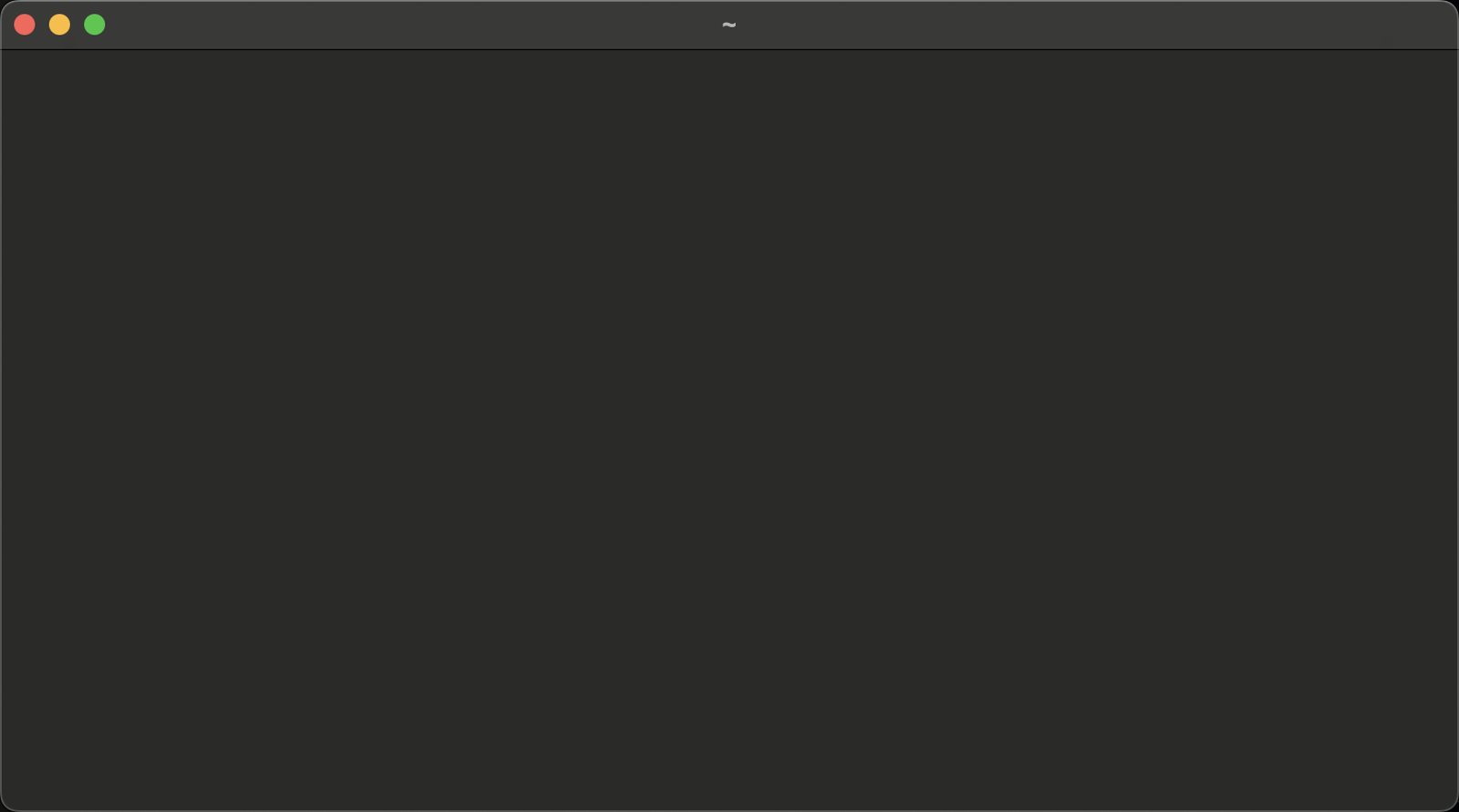 Figure: Blank viewport in kitty terminal on macOS 15.8.2. Source: kovidgoyal/kitty issue #10645
Without a default framebuffer, simple clearing operations like glClear failed at the driver entry point. Terminals continued processing key events and updating internal character buffers on schedule, but because no drawable surface was available at swap time, every pixel was dropped. The interface was not hung or frozen; draw commands were cleanly rejected at the final display boundary.
| Probe & Call Path | Normal System (15.8.1 / 27.0.1) | Regression System (15.8.2 24H219/225) | Diagnostic Impact |
|---|---|---|---|
| Context Drawable Flag | kCGLCPHasDrawable returns 1. | kCGLCPHasDrawable returns 0. | Window fails to acquire a usable default framebuffer. |
| Framebuffer Status Query | 0x8CD5 (GL_FRAMEBUFFER_COMPLETE). | 0x8219 (GL_FRAMEBUFFER_UNDEFINED). | Default window-bound FBO is undefined. |
Clear Operation glClear | Returns cleanly with 0x0. | Throws 0x506 (Invalid Operation). | All drawing calls fail; window remains blank or white. |
| Offscreen FBO Rendering | Normal rasterization and output. | Normal rasterization and output. | Proves GPU and core driver are fully functional. |
CAOpenGLLayer Layer Path | Normal rendering and compositing. | Normal rendering and compositing. | CoreAnimation compositing pipeline remains unaffected. |
| Surface Binding Chain | CGSBindSurface completes cleanly. | set_surface rejects surface ID. | Kernel rejects window surface handle validation. |
Eight-Year Deprecation Purgatory Meets Maintenance Testing Blind Spots
This regression sparked renewed discussion across the developer community regarding API stewardship. Apple officially deprecated OpenGL back in 2018 with macOS 10.14 Mojave, positioning Metal as the exclusive path forward. From an OS vendor perspective, maintaining legacy OpenGL compatibility shims incurs ongoing operational overhead, and an eight-year transition window represents a generous migration allowance.
Downstream application developers face different economic realities. For cross-platform projects, rewriting custom rendering backends solely for one platform demands substantial engineering investment. Many teams operate under the reasonable assumption that point maintenance releases will preserve existing ABI stability. Sudden breakages upend scheduled engineering roadmaps.
The Godot engine illustrates this architectural dilemma. Godot migrated its game project runtime renderer to Metal long ago. However, the project manager editor interface retained a lightweight OpenGL backend. As contributor bruvzg noted, while transitioning the project manager to Metal was overdue, keeping OpenGL had avoided initial cold-start shader compilation stalls.
The incident highlights a testing gap in operating system maintenance cycles. macOS 15.8.2 is a minor maintenance release, yet core entry points in an established graphics pipeline suffered a blocking regression. No matter how long an API has been deprecated, as long as it remains in the active SDK, testing blind spots impose costs across the entire software ecosystem.
Workarounds Bypass the Bottleneck as the Modernization Clock Runs Out
Faced with unusable desktop windows, the open-source community mobilized immediate workarounds. Godot maintainers recommended starting the editor with explicit driver overrides: passing --rendering-driver metal or --rendering-driver opengl3_angle bypassed the broken native window binding. Similarly, Alacritty users turned to community forks built on top of the ANGLE translation layer.
For developers maintaining application codebases, decoupling rendering from native window surfaces provides a clean resolution. By rasterizing into offscreen buffers and submitting textures to a CALayer, or refactoring views around CAOpenGLLayer, applications can circumvent the failed CGLSetSurface validation without rewriting their entire shader pipelines.
Virtualization and preview testing provided further clarity. macOS 15.8.1 virtual machines did not exhibit the issue, nor did preview builds of macOS 27.0.1, where window-level OpenGL contexts functioned as expected. Because the issue was isolated to a single minor update branch, evidence strongly pointed to a merge regression rather than an intentional deprecation cutoff.
While command-line flags and layer wrappers offer immediate relief, they cannot forestall platform evolution. Minor updates can unexpectedly sever deprecated interfaces, leaving zero margin for error. For desktop tools on macOS, completing the migration to modern graphics APIs remains the only durable path forward.
Reference Links:
- braindetox Technical Analysis
- Godot issue #124311
- Apple Developer Forums Thread
- SiTech Coverage