“We share this profound sense of crisis, and that creates momentum for change.” At a press conference in Tokyo, Koji Sato, Vice Chairman of Toyota and Chairman of the Japan Automobile Manufacturers Association (JAMA), set the tone before an audience of Japanese automakers and tier-one suppliers. After competing fiercely in global showrooms for over half a century, Japan’s big three are sitting down to share common component standards.
Seven major Japanese automakers stand behind the pact: Toyota, Nissan, and Honda have been joined across the board by Mazda, Subaru, Mitsubishi, and Suzuki. The resulting cost savings are not earmarked for sticker price cuts. According to JAMA, every dollar saved will be funneled directly into developing next-generation automotive technologies.
Standardizing Three Core Elements: Rivals Share the Same Table
The initial roadmap intentionally avoids complicated powertrains, zeroing in instead on three foundational specifications: quality assessment standards for automotive steel, resin and plastics specifications, and wiring harness color-coding schemes. Tucked far beneath sheet metal and interior trim, these elements are completely invisible to everyday drivers.
Yet in plant ledgers, commodity materials represent massive capital outlays. Take low-voltage automotive wiring harnesses: the combined length of wiring snaking through a single vehicle easily exceeds two kilometers. Historically, each manufacturer enforced bespoke insulation thicknesses and proprietary color codes, forcing upstream wire harness suppliers to set up dedicated production runs for each brand. By aligning these specifications, a single tooling and assembly setup can supply multiple OEMs seamlessly.
The industry association has set a clear implementation timeline. The first wave of unified standards is scheduled to take effect in 2027. Automakers will first secure agreements with domestic parts suppliers before integrating global tier-one vendors into the ecosystem.
The alliance’s long-term ambitions run deeper, aiming to progressively standardize more mechanical assemblies across vehicle platforms. Sharing heavy capital expenditure between rival giants is not without precedent—in 2002, Ford and General Motors partnered to co-develop a six-speed automatic transmission. But an industry-wide alliance spanning seven automakers to align fundamental material specifications is unprecedented in scale.
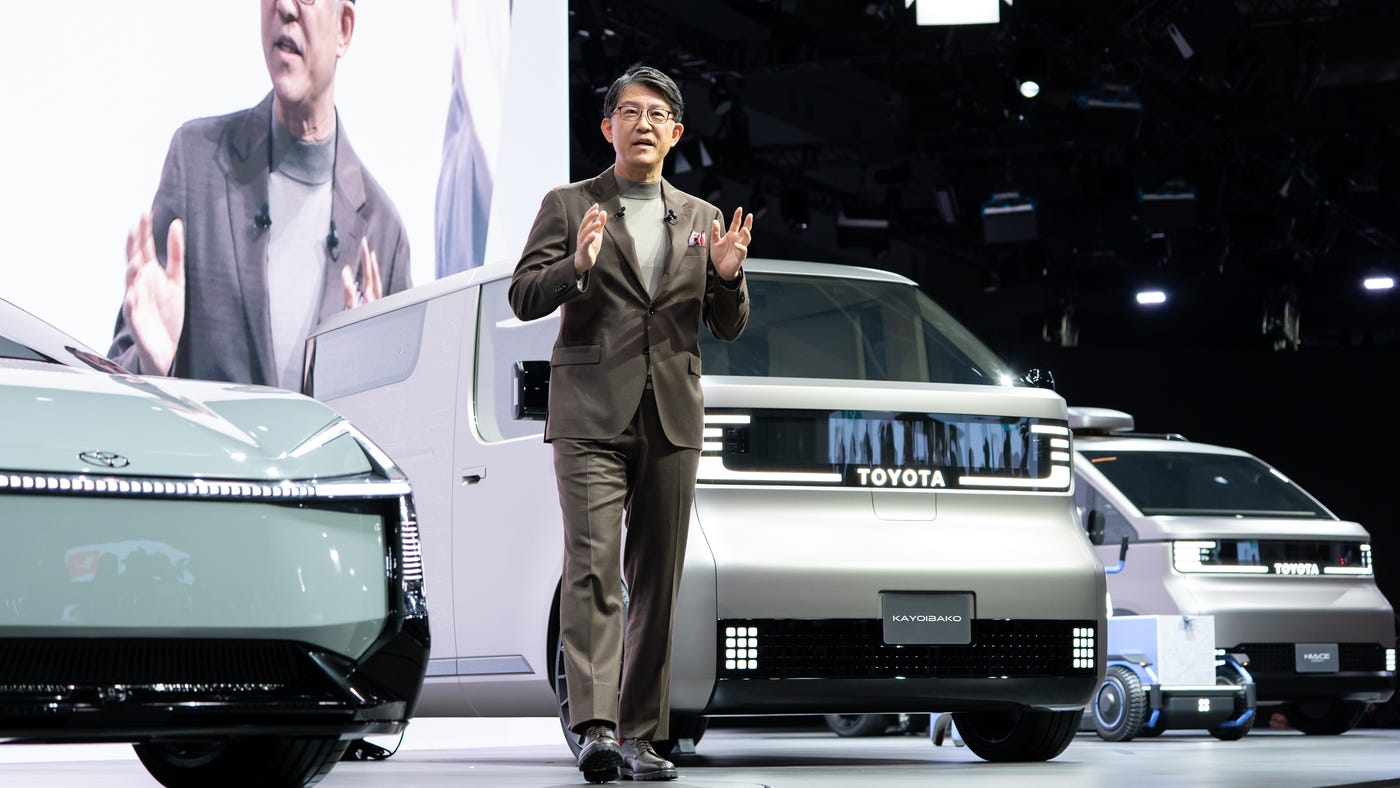 Image: At a Japanese auto show. Source: Getty Images / Car and Driver
BYD In-Houses Over 75% of Parts: Vertical Integration Reshapes the Game
The driving catalyst forcing these historic rivals together originates from China’s hyper-efficient electric vehicle manufacturing. Industry teardown reports indicate that BYD achieves an in-house component manufacturing rate between 75% and 85%. On certain best-selling models, virtually only the tires and glass are sourced externally; battery packs, drive units, power electronics, and structural stamping are all fabricated within proprietary facilities.
This aggressive self-reliance challenges the traditional automotive division of labor. Japanese carmakers have long relied on a pyramid-like supplier ecosystem anchored by giants such as Denso and Aisin. The OEM issues engineering requirements, Tier 1 suppliers sub-contract to Tier 2 and Tier 3 vendors, and margin retention along each tier compounds logistics and transaction overhead.
Chinese automakers, through high vertical integration in critical assemblies, have carved out a stark material cost advantage. Anchored by vast domestic volume and extensive tooling reuse, the marginal costs of upstream stamping and injection molding are pressed to extreme lows. Against this manufacturing scale, an individual Japanese brand relying strictly on its own purchasing volume cannot command comparable volume discounts.
From Fukushima to Shipping Disruptions: Lessons from Fragile Supply Chains
Industry analysts emphasize that framing this alliance purely as a reaction to Chinese competition tells only half the story. Geopolitical conflicts and critical shipping bottlenecks have repeatedly disrupted global supply lines in recent years. Industry insiders note that these recurring shocks wreaked havoc on just-in-time production schedules across Japanese assembly plants. That vulnerability became the direct backdrop for JAMA to convene its members and ask: “What can we do together?”
The specter of supply chain collapse is deeply ingrained in the memory of the Japanese auto sector. The 2011 Fukushima earthquake damaged key microcontroller fabrication facilities, shuttering Toyota assembly lines worldwide for months. Following that crisis, Toyota designated supply chain resilience as a core pillar, stockpiling months of safety inventory across thousands of mission-critical parts.
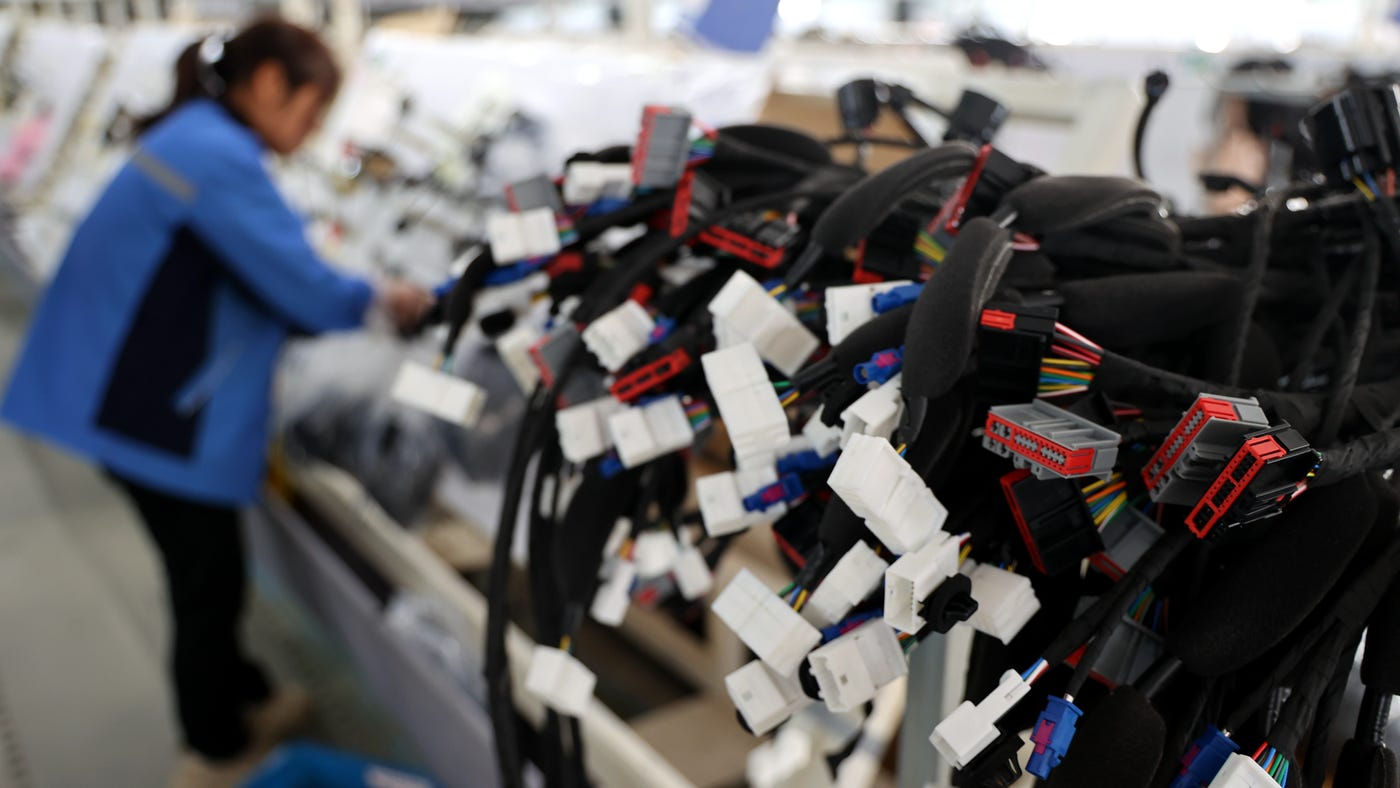 Image: An automotive parts production line. Source: Getty Images / Car and Driver
Yet isolated buffer stocks cannot eliminate systemic fragility. Previously, divergent engineering standards meant that if a fire disabled one supplier, competing automakers could not cross-supply one another. By harmonizing steel and resin grades, OEMs create built-in mutual redundancy. A single supplier line can serve multiple manufacturers simultaneously, drastically lowering downtime risk during unforeseen shipping bottlenecks or component shortages.
Cost-Cutting Fears vs. Brand Identity: Where Does Differentiation Begin?
Standardizing parts has provoked spirited debate across the industry. Some veteran engineers caution that this could mark the beginning of Japanese manufacturing compromising on build quality. Skeptics worry that in the rush to safeguard margins, carmakers might converge toward the lowest common denominator, cutting into traditional engineering safety margins.
Brand dilution is another inescapable engineering concern. As standardization creeps toward chassis and suspension components, distinct driving dynamics come under pressure. Honda purists prize taut suspension geometry and crisp handling, while Toyota loyalists value bushing durability and pliant compliance. If core underlying hardware becomes identical, signature brand identities risk blurring together.
Advocates of standardization counter with a very different engineering perspective. They point out that modern automotive innovation has migrated decisively toward power electronics, software algorithms, and intelligent cockpits. Aligning the physical chemistry of hidden structural materials has virtually zero impact on driver-perceived handling or ride comfort. Relieving engineering teams from reviewing redundant schematics frees up valuable talent for higher-leverage development work.
Funneling Savings into Next-Gen Tech: Buying Development Runway
Viewing this move against the broader arc of automotive disruption, the strategic calculus is clear. Toyota, Nissan, and Honda are not teaming up to lower sticker prices; the capital freed up through common parts is officially allocated toward next-generation R&D.
The race for software-defined vehicles and electrification is a capital-intensive marathon. R&D spending by leading new-energy automakers now exceeds the total platform development budgets of most legacy carmakers. If traditional manufacturers continue scattering precious resources across commoditized baseline hardware, their delivery window for competitive next-generation platforms will rapidly close.
Confronting industry restructuring, seven Japanese automakers have set aside longstanding brand silos. Standardizing three foundational hardware specifications across allied production lines secures the engineering bandwidth needed for future platforms. Tearing down proprietary islands is about securing one indispensable asset: precious time to navigate the automotive transition.
References:
- Car and Driver: Toyota, Nissan, and Honda Will Standardize Auto Parts
- Automotive News: Japan automakers align on parts standards
- Hacker News Discussion