In an era where streaming platforms engage in bidding wars for exclusive rights, spelunkr.tv is doing something counterintuitive. It hasn’t shot a single minute of original footage. There are no registration forms, no commercial banners, and no paywalls. Instead, pulling forgotten home recordings and public domain tapes from digital archives, it has constructed 37 continuous broadcast channels. Whoever opens the page sees whatever is airing right now—no fast-forwarding, no pausing.
37 channels streaming 24/7 without a fast-forward button
Opening the website reveals decades of abandoned television. A 1996 local mystery broadcast of Sightings loops on a late-night channel. In the afternoon, episodes of 1986’s The Masked Zorro run three in a row.
There is even a 2010 morning block from Cartoon Network spanning 4 hours and 44 minutes. The original toy commercials and snack promos remain completely intact. When a feed drops, the screen flashes a static visual notice: “Adjusting Antenna.”
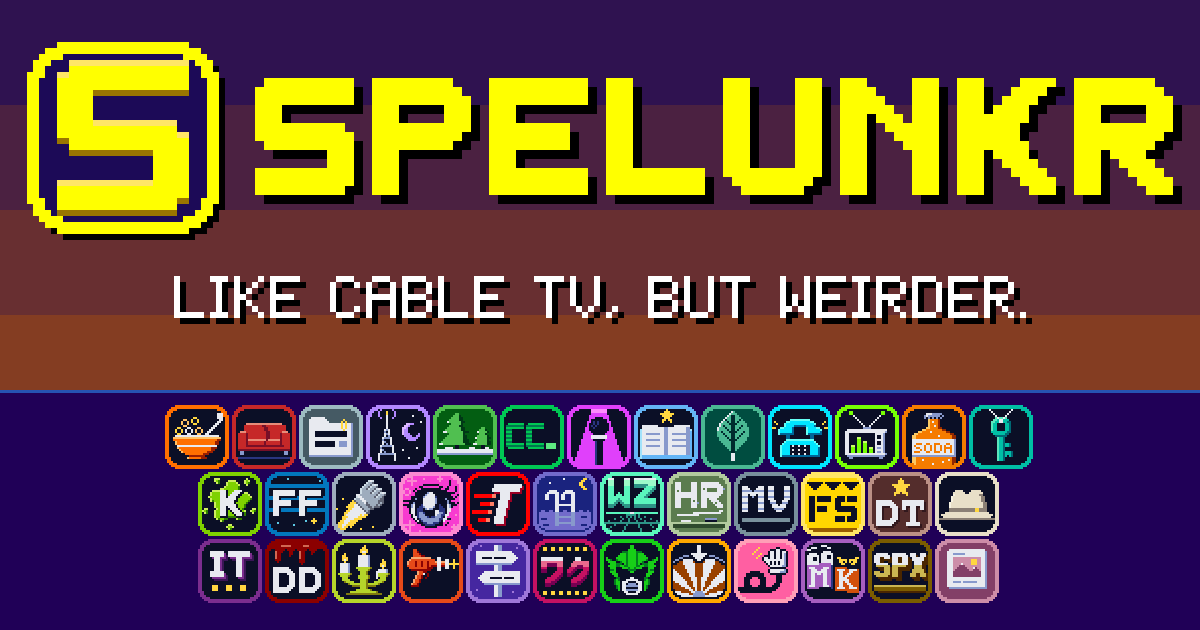 Fig: Site social share image. Source: spelunkr.tv
Every channel name feels like flipping through a yellowed TV Guide: SATURDAY MORNING REWIND for nostalgic morning blocks, the Cold War-tinted FALLOUT SHELTER, or LATE NITE LOCAL for midnight oddities. As the site’s own footer notes: there is nothing to buy because there is no checkout page. By discarding the commercial mandate to harvest watch time, the platform reclaimed the freedom to let content simply flow.
The catalog already spans 4,395 hours of archival footage, with more channels continually added. The viewer’s sole control is changing the channel: you either watch what’s on, or flip into the unknown.
Algorithms flood recommendation feeds, shattering shared time
Streaming was built on a seemingly flawless promise: watch anything, anytime. Platforms calculate preferences down to the second, serving bespoke, hyper-personalized feeds. While this satisfies individual appetites, it fragments viewing into isolated bubbles.
The hidden toll is obvious. Viewers regularly spend thirty minutes scrolling through endless carousels, sampling dozens of trailers, only to shut off the screen and go to bed. This fatigue stems from decision paralysis, where every click feels like a consequential choice. More profoundly, audiences have lost the experience of shared time.
When everyone controls their own scrub bar, no two pairs of eyes ever witness the same moment simultaneously. The true magic of vintage television was precisely that spatial synchronicity. On-demand video granted infinite liberty, but severed collective emotional resonance. By taking away the scrub bar, spelunkr.tv might seem regressive, but it resurrects a long-lost communal ritual.
4,395 hours of public video locked to the exact second via server timestamps
Building such an expansive broadcast network required no exorbitant licensing budget. Every video stream originates from the non-profit digital library Internet Archive. These materials are digitized, discarded VHS tapes recorded decades ago by everyday viewers, preserved complete with analog tape tracking glitches and hiss.
The creators are transparent about copyright and preservation. The site’s footer prominently links to archive.org donation drives, encouraging users to support the underlying infrastructure. When a stream drops, users in community threads joke that a VCR ate the tape. That warmth and analog imperfection stand out in an age of clinical 4K polish.
The official broadcast model is 24/7 live synchronization: all connected users share the exact same playback position. No fast-forwarding, no rewind. The moment you tune in is whatever moment is airing. The video files reside on the Internet Archive; the site merely orchestrates them onto a synchronized schedule grid.
Raspberry Pi inside a vintage cable box: reviving physical channel surfing
This retro broadcast format sparked swift hardware hacking. A community developer created FieldStation42, packing a Raspberry Pi 5 into a gutted vintage cable set-top box with an infrared receiver. Hooked to a living room TV via HDMI, it responds to tactile remote control commands.
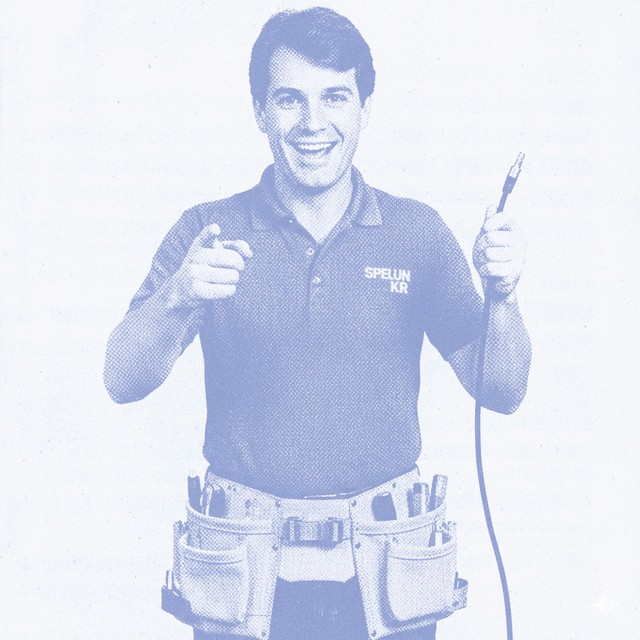 Fig: Site illustration “Cable Guy”. Source: spelunkr.tv
With an infrared remote in hand, channel flipping returns to physical switches. The backend mixes public domain archives, forgotten discs, and decades-old commercials. Gone is the cold interface cursor; pressing channel up or down drops the viewer straight into an unexpected era.
This quintessential ritual of “channel surfing” vanished with modern on-demand apps. In the past, the thrill of flicking through channels was the encounter. You never knew whether the next click brought a Western or a late-night cooking infomercial. Channel hopping with tactile buttons restores the delight of wandering.
Surrendering choice cures decision fatigue
Modern software design relentlessly eliminates friction in pursuit of instant gratification. We scrub past slower scenes and let recommendation algorithms dictate the next five minutes. Yet when everything can be skipped, consumption becomes a sterile chore.
The popularity of spelunkr.tv reveals an overlooked psychological need: sometimes viewers don’t want total control. Surrendering autonomy to a fixed program grid relieves cognitive burden. Watching fuzzy animations and tolerating static noise demands nothing. If you miss a segment, it’s gone; there is no regret over what to pick next.
The greatest heritage of old television was never high fidelity. Its enchantment lay in the quiet certainty that thousands of strangers across distant cities were gazing at the exact same beam of light. By turning discarded VHS ephemera into a sanctuary, spelunkr.tv offers a clear verdict: shared collective experience will always outweigh on-demand convenience.
Reference links:
- spelunkr.tv Homepage
- Internet Archive
- HN Discussion (item?id=50606192)