In April 2023, Taylor Swift’s entire catalog generated 9.3 million streams across YouTube Music’s family plan tier. That very same month, on that exact same channel, an ordinary 54-year-old man recorded 80.9 million plays—8.7 times the total volume of Swift’s entire discography. Over the course of seven years, that man, North Carolina resident Michael Smith, siphoned off more than $8 million in music royalties. His entire operation rested on just two components: 10,000 automated bot accounts and hundreds of thousands of low-grade tracks generated by artificial intelligence.
An Industrial Pipeline Siphoning $8 Million Over Seven Years
Pulling $8 million out of streaming platforms required an industrial-scale operation designed to overwhelm automated anti-fraud defenses. From 2017 to 2024, Smith’s bot network ran 24 hours a day, 7 days a week, for seven straight years. Armed with fabricated email addresses and fraudulently obtained debit cards, he registered tens of thousands of automated bot profiles. At peak operation, he commanded 10,000 distinct processes running across virtualized environments, tirelessly clicking “play” around the clock.
On this assembly line, human creativity was completely superfluous. Streaming platforms employ baseline fraud-detection heuristics: repeatedly looping a single track triggers automated red flags and account bans. To bypass this, Smith needed an enormous catalog of distinct audio tracks to dilute stream frequency across individual songs. In emails to co-conspirators, he demanded audio assets without pretense, bluntly asking for “a TON of songs fast.” Using early AI tools, he churned out hundreds of thousands of disposable, low-quality tracks at near-zero marginal cost.
The pipeline functioned like a closed financial loop: machine-generated songs were uploaded to digital distributors, machine-controlled bot accounts streamed them constantly, and real-world dollars flowed straight into private bank accounts. On March 19, 2026, the 54-year-old fraudster pleaded guilty to a federal charge of conspiracy to commit wire fraud.
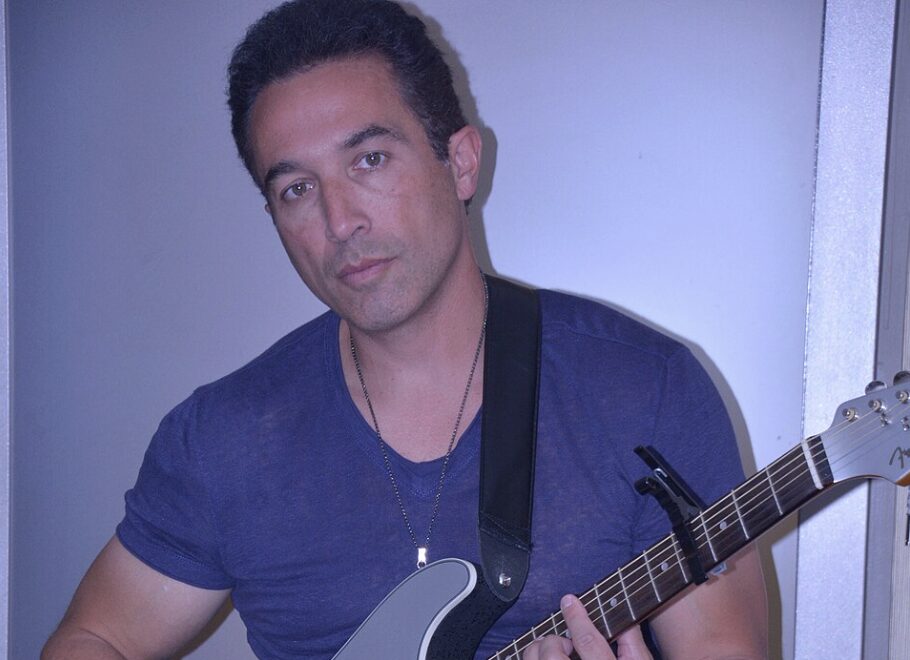 Figure: Defendant Michael Smith. Source: The Quietus reporting (Getty Images)
How Fabricated Streams Deplete Real Artists’ Royalties
On October 6, 2026, U.S. District Judge John G. Koeltl of the Southern District of New York delivered the final sentence. Smith was sentenced to 18 months in federal prison followed by two years of supervised release, accompanied by a forfeiture order for the full $8.09 million in illicit proceeds. SDNY prosecutor Jamie McDonald characterized the indictment as the Justice Department’s first-ever criminal prosecution involving super-intelligence assisted music streaming fraud. The investigation was led by the Federal Bureau of Investigation (FBI), signaling the federal government’s zero-tolerance stance toward algorithmic stream manipulation.
This aggressive legal response stems directly from how music streaming royalties are structured. Platforms do not pay artists a fixed fee per play. Instead, all subscriber fees gathered each month are pooled into a massive, centralized revenue pot. After the platform takes its cut, the remaining pool is distributed pro-rata based on each creator’s percentage of total platform-wide plays. The system is fundamentally a zero-sum pool.
Under this model, every play generated by a bot directly robs legitimate musicians of their livelihood. As prosecutors argued in court, Smith replaced real human listeners with automated bots and authentic creativity with AI-generated audio, stealing millions in royalties from hardworking artists and their fanbases. Because those $8 million landed in a fraudster’s bank account, independent artists who spent months writing and recording original music saw their royalty payouts directly diminished.
An 18-Month Prison Sentence Ignites Community Debate
The 18-month custodial sentence triggered fierce debate across technical and legal forums. Some developers questioned whether the conduct crossed the threshold into criminal wire fraud, noting that Smith was technically utilizing the platform according to its own exposed protocols. Commentators drew comparisons to browser ad blocking: if 1,000 human listeners run extensions to block advertisements, or skip audio ads entirely, the financial impact on platforms and advertisers is virtually identical. Why is using client-side software to block ads viewed as legitimate user autonomy, while running scripts to play music gets treated as a federal felony? Critics argued that criminalizing code execution opens the door to selective enforcement.
Sharper criticisms highlighted double standards between individual actors and multinational tech companies. Supporters of this view pointed out that commercial software giants routinely manipulate internet traffic and revenue flows. The Brave browser was previously scrutinized for swapping out web publishers’ advertisements with its own ad network, while shopping extensions like Honey faced allegations of quietly hijacking affiliate referral links. When corporate entities divert financial pipelines, they face civil lawsuits rather than criminal indictments. Some argued that commercial disputes of this nature should be resolved through civil restitution, asserting that spending $50,000 a year in taxpayer funds to incarcerate a non-violent offender is a misallocation of justice.
Defenders of the sentence countered by emphasizing the fundamental legal distinction of fraud. Ad blockers merely deny advertisers potential impressions; they do not extract existing capital from anyone’s bank account. Inflating stream counts, by contrast, physically siphons money out of a shared financial pool. That crossed well beyond exploiting a platform’s terms of service into affirmative wire fraud. As one commenter pointedly remarked: under the civil-only logic, could a bank robber escape prison time simply by arguing that the bank is free to sue for damages?
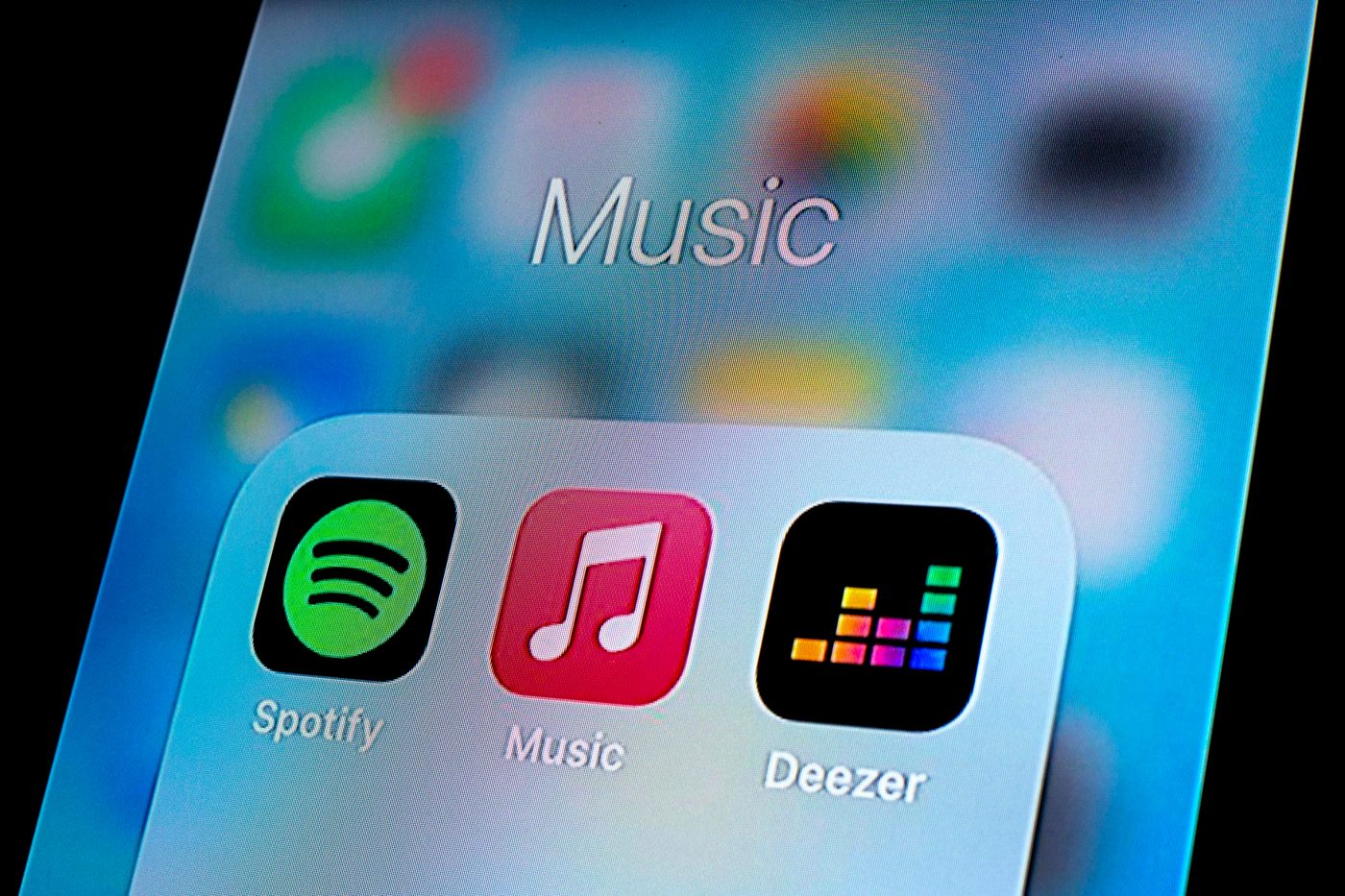 Figure: Popular music streaming apps whose royalty mechanics face growing scrutiny. Source: Billboard
Bot Manipulation as Structural Currency Counterfeiting
The heart of the dispute ultimately hinges on the structural damage botting inflicts on digital clearing systems. In the physical era of vinyl and CDs, buying up copies of one’s own cutout records or hiring street teams to inflate retail rankings was at most deceptive marketing. In the streaming era, play counts have been hard-coded directly into monetary settlement ledgers. Streams have ceased to be simple vanity metrics; they have transformed into digital currency that code can mint out of thin air.
Smith’s operation—marshaling 10,000 automated scripts and fraudulent debit cards—transcended promotional puffery. If someone prints dollar bills on an inkjet printer in a basement, the physical paper itself is practically worthless. But the moment counterfeit currency enters circulation, it dilutes the purchasing power of real money and corrodes faith in the entire financial infrastructure. In the same way, bot streams destroy the integrity of automated data-driven payout systems.
This landmark case establishes a precedent across the tech and digital media landscape. A pro-rata pay-per-stream model treats play counts as redemption vouchers, intrinsically incentivizing bad actors to generate synthetic garbage for financial arbitrage. The Southern District of New York’s criminal sentence has drawn a firm boundary: within a pooled royalty system, generating automated plays is no longer clever marketing—structurally, it is counterfeiting money.
Reference Links:
- U.S. Attorney’s Office, Southern District of New York Press Release
- U.S. District Court for the Southern District of New York Sentencing Judgment
- Hacker News Community Discussion