
Just past midnight on November 11, 2026, as the major e-commerce shopping festival wrapped up, Colorful and MSI simultaneously dispatched price adjustment notices to their distribution channels. Guidance prices across core motherboard lineups ticked upward, while distributor wholesale tiers for high-end GPUs saw single-card leaps of up to 8,000 RMB. DIY PC builders waiting for post-holiday bargains instead ran headlong into an aggressive supply chain margin recovery.
The PC DIY landscape shifted swiftly once retail promotions subsided. Manufacturers eliminated platform-level subsidies and rebates, resetting baseline price anchors. This synchronized price hike bypassed the traditional post-holiday buffer period, reflecting a supply chain fortifying its defenses against escalating component and allocation costs.
Severe supply-demand imbalances serve as the primary catalyst behind these revisions. AI compute clusters continue to monopolize leading-edge semiconductor wafers and high-bandwidth memory production lines, siphoning off allocations originally earmarked for consumer chipsets and desktop GPUs. Facing inelastic year-end build demand, board and component vendors chose price increases to mitigate stockout risks and quickly replenish channel margins eroded by months of price competition.
Mainstream Motherboard MSRPs Rise Following Shopping Gala
On November 12, Colorful officially enacted its new pricing policy, impacting its core Intel and AMD motherboard lineups. Suggested retail prices previously discounted to drive festival sales volume were revised upward across mainstream tiers. Immediate post-sale MSRP hikes of this scale remain historically rare in the component ecosystem.
Across the Intel catalog, high-volume B860 and B760 models were the primary targets. The BATTLE-AX B860M-PLUS S WIFI7 V20 saw an increase of 50 RMB, landing at 949 RMB. The BATTLE-AX B760M-PLUS S WIFI7 V20 climbed 15 RMB to 799 RMB, while the white B760M-WHITE WIFI D5 V20 rose 50 RMB to settle at 749 RMB.
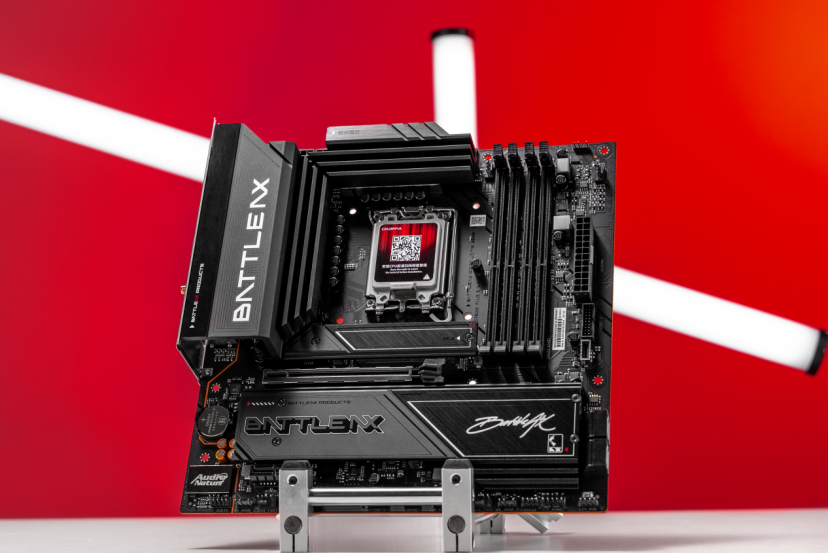 Photo: Colorful BATTLE-AX B760M-PLUS S WIFI7 Tomahawk motherboard. Source: Colorful official product photography
Mid-range and entry tiers were similarly affected. The BATTLE-AX B760M-PLUS WIFI D5 V20 reached 749 RMB after a 50 RMB bump. Two V21 variants of the B760M each gained 10 RMB, aligning at 749 RMB, while the entry-level B760M-G rose 10 RMB to 699 RMB. On the AMD platform, the flagship iGame X870E jumped 100 RMB to 1,999 RMB, with mainstream B850M and CVN B650M models each climbing 50 RMB to 899 RMB and 799 RMB respectively.
Rising bill-of-materials (BOM) costs are actively compressing manufacturing margins. Modern B860 and B760 motherboards typically incorporate robust 12+1+1 phase power delivery layouts, while onboard Wi-Fi 7 wireless modules and 2.5GbE LAN controllers elevate procurement expenses. High-frequency DDR5 memory traces require low-dielectric PCB materials, further escalating multi-layer substrate fabrication costs.
In sub-1,000 RMB retail categories, hardware gross margins typically hover in the single digits. Double 11 platform cross-store promotions effectively erased distributor spread margins. By raising prices by 15 to 100 RMB post-campaign, manufacturers reconstructed a 5% to 7% operating cushion, restoring viable margins for brick-and-mortar retail channels.
MSI Factory Shipments Surge Up to 8,000 RMB per High-End GPU
The graphics card segment witnessed even sharper adjustments at the wholesale level. Channel monitoring data from Shibao Heju (ChannelGate) revealed that MSI instituted a revised pricing matrix for November factory supply shipments. Wholesale costs climbed across the entire next-generation RTX 50 series, with top-tier flagship offerings absorbing the most dramatic increases.
Ultra-enthusiast cards sat at the epicenter of the surge. MSI adjusted RTX 5080 distributor pricing upward by anywhere from 1,300 to 8,000 RMB per unit, with premium sub-brands like SUPRIM and GAMING TRIO touching the high end of that bracket. Upper-midrange RTX 5070 Ti tiers climbed 800 to 4,000 RMB, while standard RTX 5070 distributor costs rose between 500 and 1,000 RMB.
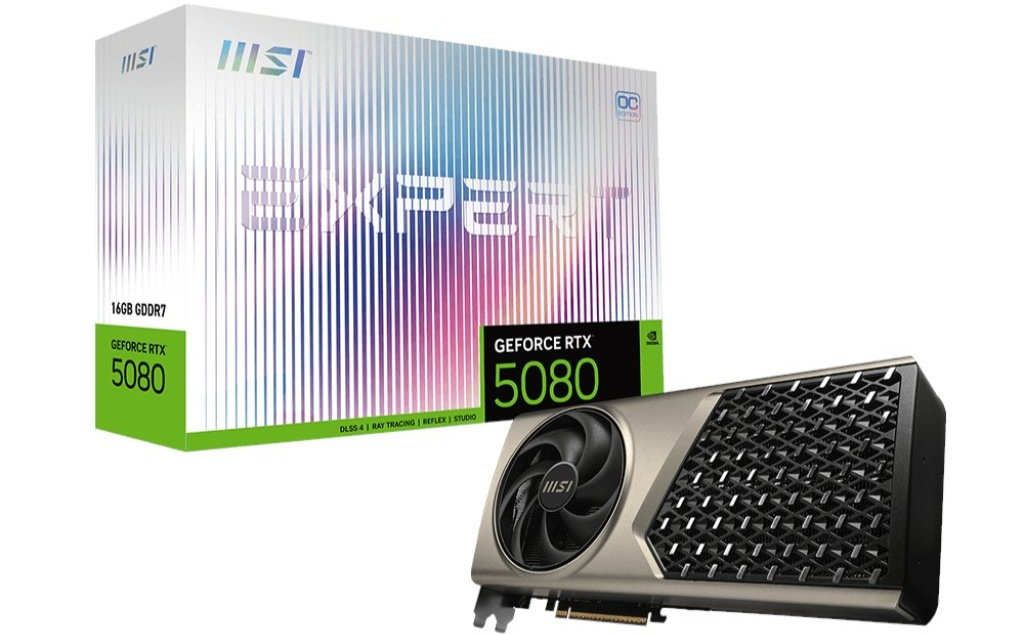 Photo: MSI GeForce RTX 5080 16G EXPERT graphics card and retail packaging. Source: MSI official product materials
Mainstream tier pricing saw precisely graduated adjustments. The RTX 5060 Ti 16GB version received a 400 RMB factory cost increase, while the 8GB variant rose by only 200 RMB. Entry-level RTX 5060 models generally climbed 200 to 500 RMB across distributor channels, and previous-generation RTX 3050 cards saw a 100 RMB uptick.
Premium hardware bills of materials heavily influence these flagship prices. In its EXPERT and SUPRIM lineups, MSI integrates advanced vapor chamber cooling designs paired with die-cast aluminum shrouds. Stricter physical tolerances mandated by high-load 12V-2x6 power connectors necessitate more complex PCB layouts, alongside steady cost inflation across heatsink assemblies and power stages throughout the second half of the year.
This graduated pricing intervention also aims to suppress secondary market arbitrage. By incorporating thousands of RMB in premiums directly into factory invoicing, MSI pre-empts downstream speculative hoarding. Manufacturers effectively capture market margin at source rather than ceding windfall profits to scalpers and gray-market intermediaries.
AI Infrastructure Absorbs Foundry Wafers and GDDR7 Production
The turbulence in retail hardware pricing stems directly from reallocation across upstream semiconductor fabrication. Advanced manufacturing nodes remain operating at peak utilization, progressively squeezing wafer starts for consumer silicon. Skyrocketing AI infrastructure demand prompts foundries to reassign substantial N4P and leading-edge capacities toward enterprise compute accelerators.
Consumer GPU wafer allocations have reached a firm ceiling. Nvidia’s Blackwell architecture features substantial die footprints; combined with defect densities and wafer quota caps, consumer output remains restricted. For pure-play foundries, revenue yields per wafer on enterprise AI silicon vastly surpass consumer GeForce returns, naturally routing finite fab capacity toward high-margin enterprise clients.
Motherboard chipsets face comparable delivery bottlenecks. Extended procurement lead times for Intel 800-series and AMD 800-series silicon continue to throttle board production schedules. With packaging and testing facilities prioritizing high-density enterprise substrates, board manufacturers struggle to secure excess silicon allocations in the near term.
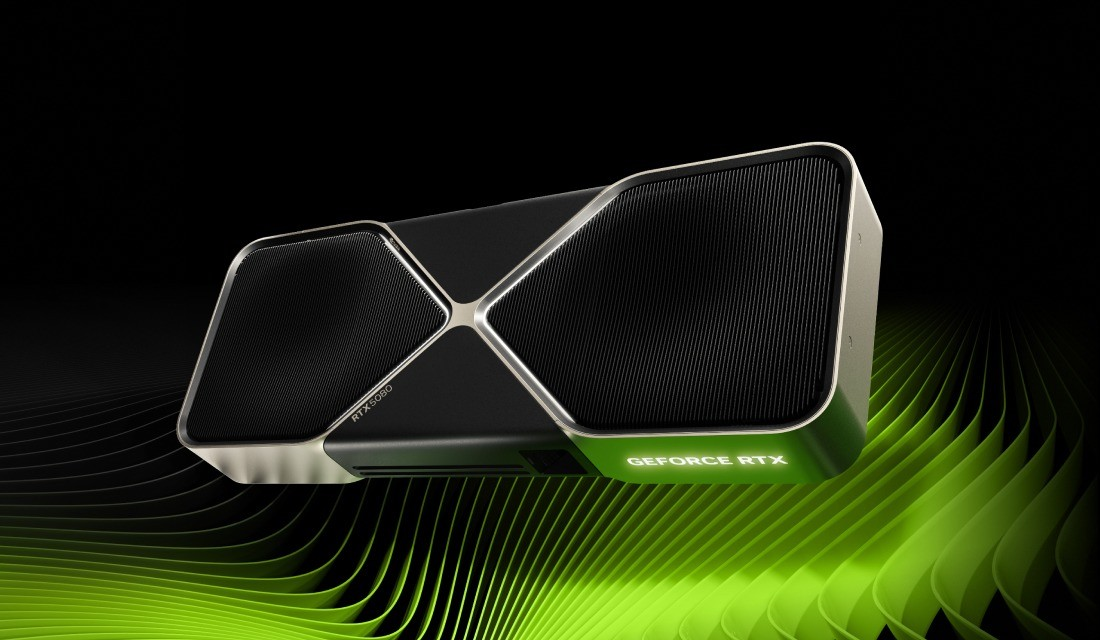 Photo: High-spec next-generation GPU form factor. Source: Hardware supply chain channel documentation
Diverted memory capacity compounds the downstream bottleneck. Primary memory fabricators have shifted significant fab lines toward advanced packaging for HBM3e stacks. Consequently, available capacity for standard DRAM and high-speed GDDR7 memory modules has contracted sharply. The 200 RMB price difference between the 16GB and 8GB variants of MSI’s RTX 5060 Ti directly reflects this sharp rise in discrete memory packaging expenses.
Ancillary component inflation has amplified overall system costs. High-frequency copper-clad laminates, Wi-Fi 7 silicon modules, and multi-phase DrMOS power stages continue to command elevated spot prices. Once festival subsidization concluded, motherboard makers had little choice but to pass these accumulated component costs on to retail consumers.
Channel Replenishment Clashes with Consumer Hesitation
Supply chain pressures were laid bare once promotional campaigns ceased. For regional distributors recovering from holiday discount battles, price hikes represent vital triage. Channels spent weeks operating on slim back-end rebates; without promotional subsidies, distributors face severe working capital headwinds as year-end inventory cycles and operational expenses loom.
Leveraging year-end commercial procurement and consumer refresh cycles to revise wholesale rates has become the standard mechanism to absorb upstream costs. Constrained by tight wafer supply, vendors are no longer prioritizing high-volume, low-margin shipments. Balancing lower aggregate volume with higher unit margins has emerged as the unified consensus across board partners.
System integrators face immediate cost turbulence. Pre-configured OEM builds typically lock in promotional prices well ahead of delivery. Single-card wholesale surges of several thousand RMB severely erode pre-built assembly margins, forcing builders to pull high-value builds or overhaul catalog pricing entirely.
Consumers have responded to these abrupt price increases with visible caution. Hardware enthusiasts across social platforms voice growing fatigue with promotional cycles, viewing brief discounts as temporary promotional bait followed by steep entry barriers. Driven by multi-thousand RMB price hikes, a significant cohort of DIY builders is turning toward the secondary market or indefinitely postponing planned upgrades.
This synchronized post-Double 11 price wave pulls back the curtain on the consumer PC market. Faced with profound manufacturing capacity shifts toward AI, board vendors have closed the discount window and turned to price hikes. Yet for the broader hardware ecosystem, this margin recovery may well herald an extended period of consumer standoff.
Reference Links:
- ChannelGate (BODT) Motherboard and GPU Channel Tracking Bulletins
- Colorful Official Online MSRP Adjustment Notice
- MSI Factory November Graphics Card Distributor Pricing Policy Disclosure