
An Official Brand Mod Takes on Skyrim’s Oldest Struggle: Inventory Management
In September 2026, IKEA released a free mod on its official website titled “Kallax STORAGEBORN”, custom-built for The Elder Scrolls V: Skyrim fifteen years after the game’s original launch. On the official FAQ page, IKEA straightforwardly answered the inevitable question: “Is this real? Yes.” For veteran adventurers who have spent hundreds of hours in Skyrim, the true endgame challenge has long ceased to be slaying dragons or clearing draugr crypts—it is encumbrance and inventory management. IKEA zeroed in on players’ desperate need for organized storage, prompting enthusiastic comments jokingly petitioning the brand to bring its heavy-duty IVAR shelving line into the game next.
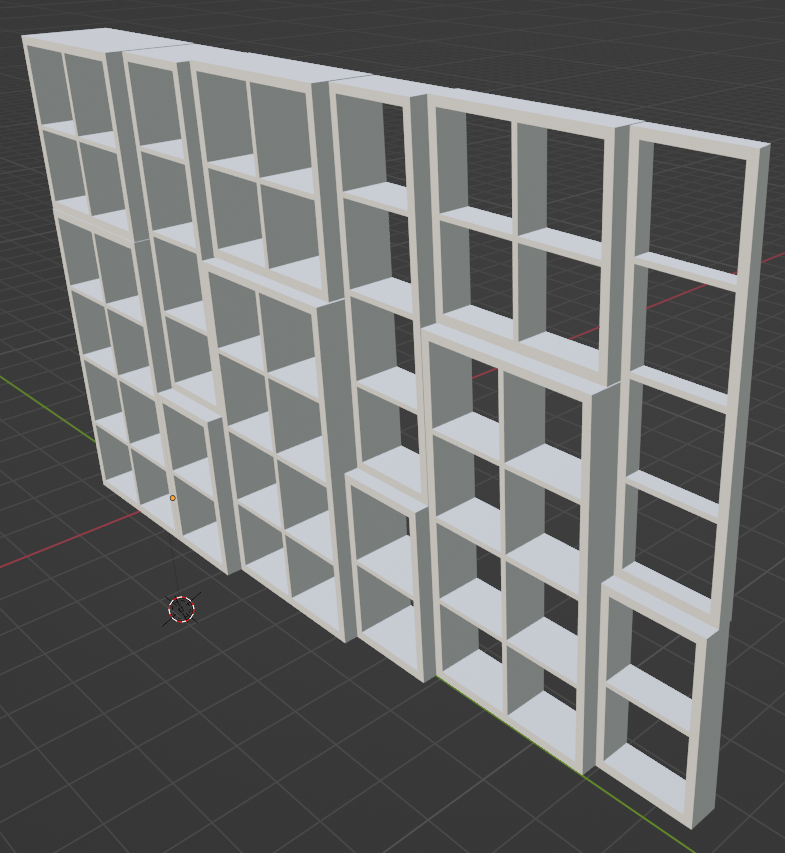 Figure: KALLAX is IKEA’s best-selling shelving unit and the namesake of the official mod. Source: Wikimedia Commons
This was no half-baked marketing gag. Players who unpacked the mod files quickly discovered a surprisingly complete questline, bespoke cutscenes, voice acting, and extensive scripting. Players testing the release remarked on forums that what was expected to be a disposable novelty turned out to feature remarkably dense interactive design. A post detailing the mod surged to the top of Hacker News with 544 points. By investing real resources into genuine gameplay content rather than cheap promotional banners, IKEA successfully traded corporate self-deprecation for genuine community applause.
Digging Up a Four-Year-Old Cease-and-Desist: Two Faces of a Corporate Giant
But the internet has a long memory, and the cheer was swiftly tempered by a contentious chapter from 2022. Four years earlier, IKEA’s legal department had dispatched an aggressive cease-and-desist letter to the developer of The Store is Closed, an indie survival horror game featuring blue-and-yellow signage and an endless furniture store backdrop. The corporate warning demanded that the fledgling indie project strip out all Scandinavian-themed aesthetic markers, sending shockwaves through the indie scene and spilling over into fandom projects inspired by the SCP Foundation.
The Store is Closed had drawn its inspiration from SCP-3008, the famous collaborative fiction entry about an “Infinite IKEA”—whose original author likewise held no trademark rights. IKEA’s scorched-earth legal enforcement sparked intense debate within the gaming community. One camp argued that corporate conglomerates must aggressively defend their marks to prevent genericization, while critics countered that trademark law requires vigilance only within competitive product classes. So long as IKEA had no plans to publish satirical indie horror games, threatening a solo developer posed virtually zero legal necessity.
Stacking Flat-Pack Furniture to the Limit: Pushing the Creation Engine’s Tracking Cap
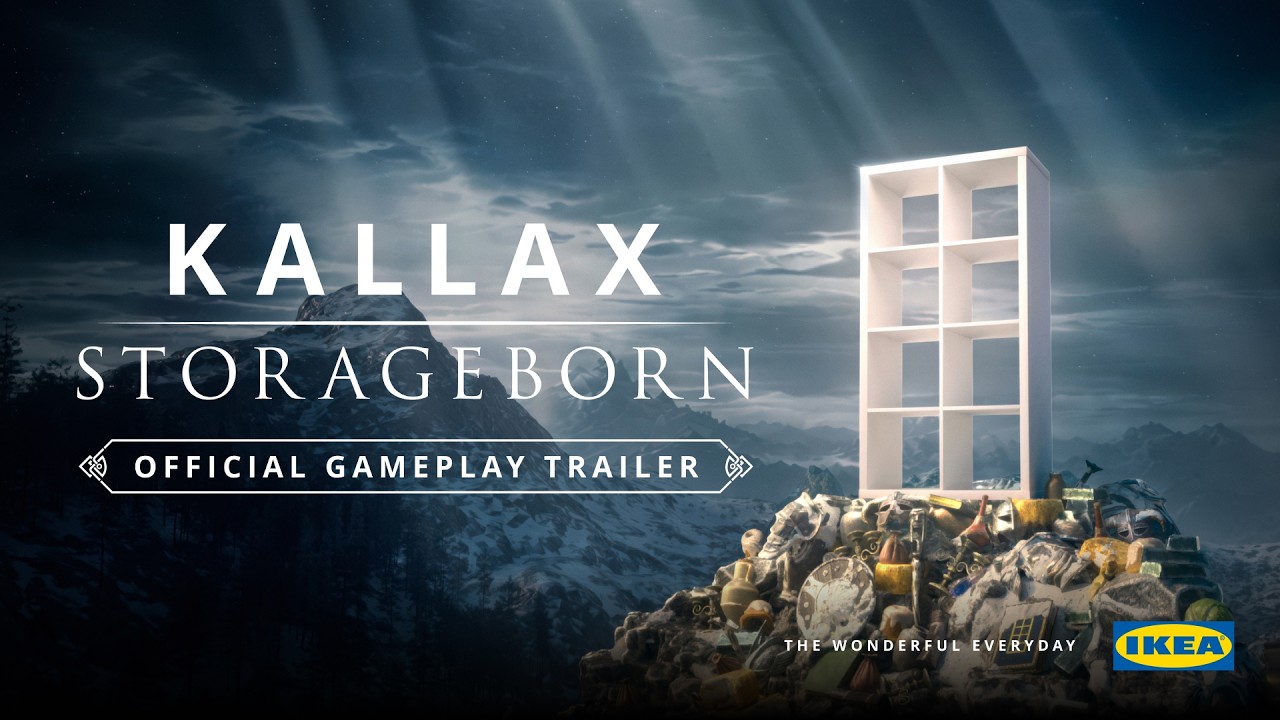 Figure: Trailer for IKEA’s official Skyrim mod, featuring a full narrative and professional voice acting. Source: YouTube / IKEA
Beyond the legal ironies, technically minded modders directed their attention to the Creation Engine itself. Experienced mod authors examining the showcase footage noted that rooms densely packed with modular shelving and physics-enabled items pushed the aging engine dangerously close to its reference memory limits. In Skyrim’s default physics pipeline, players cannot reliably fill a cellar with cabbages and empty mead bottles without risking severe physics explosions or corrupting save files on reload. How IKEA’s development team optimized item persistence and circumvented the engine’s notorious memory leaks became an engineering mystery even more intriguing to geeks than the marketing campaign itself.
The release timing also raised eyebrows across the modding scene. Just weeks prior, Bethesda unexpectedly rolled out an unannounced engine update for Skyrim—its first in nearly two years. Some players speculated that the patch was explicitly designed to lay the technical groundwork for IKEA’s storage mod and similar corporate collaborations. In the delicate PC modding ecosystem, any sudden runtime update inevitably breaks countless mods reliant on DLL hooks and the Skyrim Script Extender (SKSE). Bethesda’s willingness to anger its core player base by pushing a disruptive update suggested substantial commercial interests were at play behind the scenes.
Branded Infiltration of Single-Player Classics: The Balance Between PR Goodwill and Commercialization
IKEA’s viral crossover is not without precedent in video game history. Back in 1996, cereal brand Chex developed Chex Quest, a total conversion mod running on the Doom engine that achieved legendary status among gamers for nearly three decades due to its unexpectedly polished execution. Industry observers debated whether this project was an in-house IKEA marketing initiative or the work of an external development studio that built a prototype and pitched it to IKEA’s marketing department. Regardless of origin, embedding commercial branding into beloved legacy games remains a high-wire craft.
Beneath the widespread praise, a persistent note of skepticism echoed through the community. Commenters pointed out that clever public relations should not obscure the brand’s broader footprint—from environmental concerns regarding timber sourcing in developing nations to sophisticated multinational tax structures. Others voiced deeper anxieties: if “sponsored mods” by corporate giants become normalized, the clean, self-contained realm of single-player gaming could rapidly slide toward commercial saturation.
IKEA undeniably closed the psychological distance with gamers through an earnest, humor-filled production. Yet the heavy-handed legal crackdown of four years ago and today’s playful mod share the same underlying commercial calculus. Players drawn in by a clever storage mod can easily turn on the brand the next time a cease-and-desist drops. While the free mod is an impressive technical and marketing feat, it serves as a reminder to the gaming community: trust between corporate giants and player subcultures is merely rented, and a single viral campaign cannot permanently balance the ledger.
References:
- Hacker News discussion
- YouTube / IKEA