A Framework First, Reactors Later
On September 23, 2026, the Italian Senate voted 81 to 51, with seven abstentions, to reopen a door firmly shut after the Chernobyl disaster. Once a pioneer of nuclear energy in postwar Europe, Italy had twice rejected atomic power in national referendums—first following Chernobyl in 1987 and again after Fukushima in 2011—forcing the closure of all four of its operating commercial reactors.
Yet for all its political resonance, the newly passed legislation does not authorize the construction of even half a reactor. It establishes only an administrative and licensing framework, empowering the government over the next 12 months to draft implementing decrees covering reactor permitting, safety protocols, radioactive waste management, and site selection criteria.
By laying administrative groundwork without committing to immediate construction, the governing coalition avoids the multi-billion-dollar price tags and decade-long timelines typical of conventional gigawatt-scale plants. The bill’s strategic intent is explicitly geared toward advanced nuclear technology: bypassing massive legacy reactors to clear a runway for Small Modular Reactors (SMRs), which advocates promote as safer, more flexible, and significantly faster to deploy.
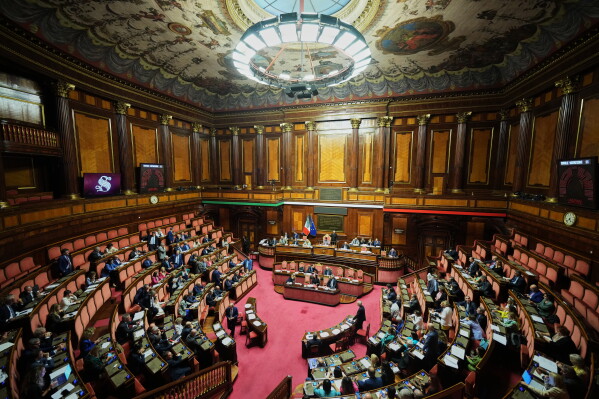 Photo: The vote in the Italian Senate, September 23, 2026, Rome. Source: AP Photo/Andrew Medichini
The rationale presented by Giorgia Meloni’s government is pragmatic: surging power demand, ambitious climate commitments, and severe energy security vulnerabilities exposed by the war in Ukraine. Projections indicate that the ongoing electrification of households, transport, and heavy industry—combined with the relentless build-out of power-hungry data centers—will drive electricity consumption sharply upward. Within this landscape, domestic generation capacity is viewed as an indispensable hedge against geopolitical turmoil.
Betting on Assembly-Line Manufacturing
In developer and engineering circles on Hacker News, debate surrounding the Italian measure centered not on radiological fears or disaster scenarios, but on unyielding project economics. The abandonment of large breeder reactors, once championed twenty-five years ago, in favor of small modular designs reflects decades of structural reckoning within the nuclear construction industry.
The fundamental bottleneck of large-scale reactors stems from bespoke, site-specific engineering. Every unit requires dedicated geological exploration, customized architectural adaptations, and lengthy regulatory reviews, almost invariably triggering massive cost overruns. The SMR philosophy seeks to redefine nuclear power: transforming plants from bespoke civil engineering megaprojects into standardized, factory-built commodities.
Individually, small reactors deliver relatively modest capacity, meaning their theoretical capital cost per watt is substantially higher. Only when designs are strictly frozen and prefabricated modules roll off assembly lines like commercial aircraft or automobiles—allowing manufacturing economies of scale to amortize upfront engineering and tooling costs—can the aggregate economics become viable.
Cost Reduction via Scale: Solid Math or Wishful Thinking?
Proponents argue that standardized manufacturing changes everything. As several engineers observed in discussion, an SMR may theoretically cost several times more per watt upfront, but if components can roll off a stable assembly line without being redesigned every generation—and without suffering tenfold budget overruns—manufacturing scale can eventually deliver competitive power. That logic, however, presupposes an immense, sustained order backlog large enough to keep specialized production lines running continuously.
Skeptics point out that this premise relies on an unverified leap of faith. Twenty-five years ago, the industry was convinced that scaling up to massive gigawatt-plus units was the only route to profitability. Today, the entire sector has pivoted toward small reactors under the banners of agility and speed. But whether this shift represents genuine economic optimization or simply a political retreat from unbuildable megaprojects remains an unresolved question.
To date, the factory-scale SMR vision remains largely on paper. Not a single vendor has demonstrated serial, cost-effective factory delivery at commercial volume. Counting on manufacturing scale to drive down nuclear costs remains an unproven hypothesis.
Solar Emerges as the Ultimate Obstacle
Even if manufacturing bottlenecks and cost curves are resolved, prospective reactors face an even fiercer competitor on the grid: utility-scale photovoltaics. Conventional energy planning long posited that solar and nuclear would operate in harmony—photovoltaics carrying daytime load while nuclear fission provided unwavering baseload power overnight. That clean division of labor sounds intuitive until power pricing curves and dispatch profiles are examined together.
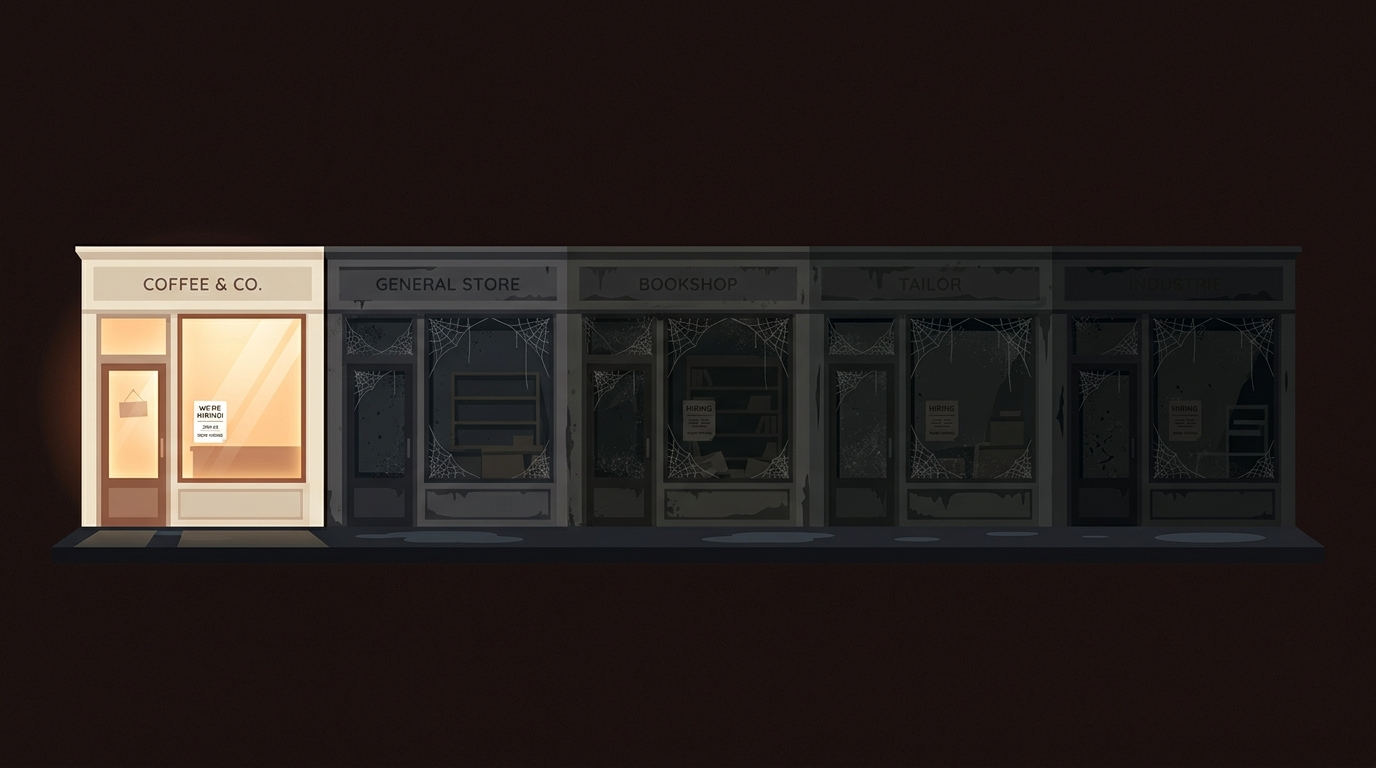
Actual grid economics reveal a zero-sum squeeze. Solar power operates at near-zero marginal cost; on sunny days, abundant solar generation naturally claims the grid and depresses wholesale electricity prices. Solar already accounts for roughly 15% of Italy’s electricity mix—not yet fully dominant, but more than sufficient to crash midday power prices to levels where capital-intensive nuclear cannot operate profitably.
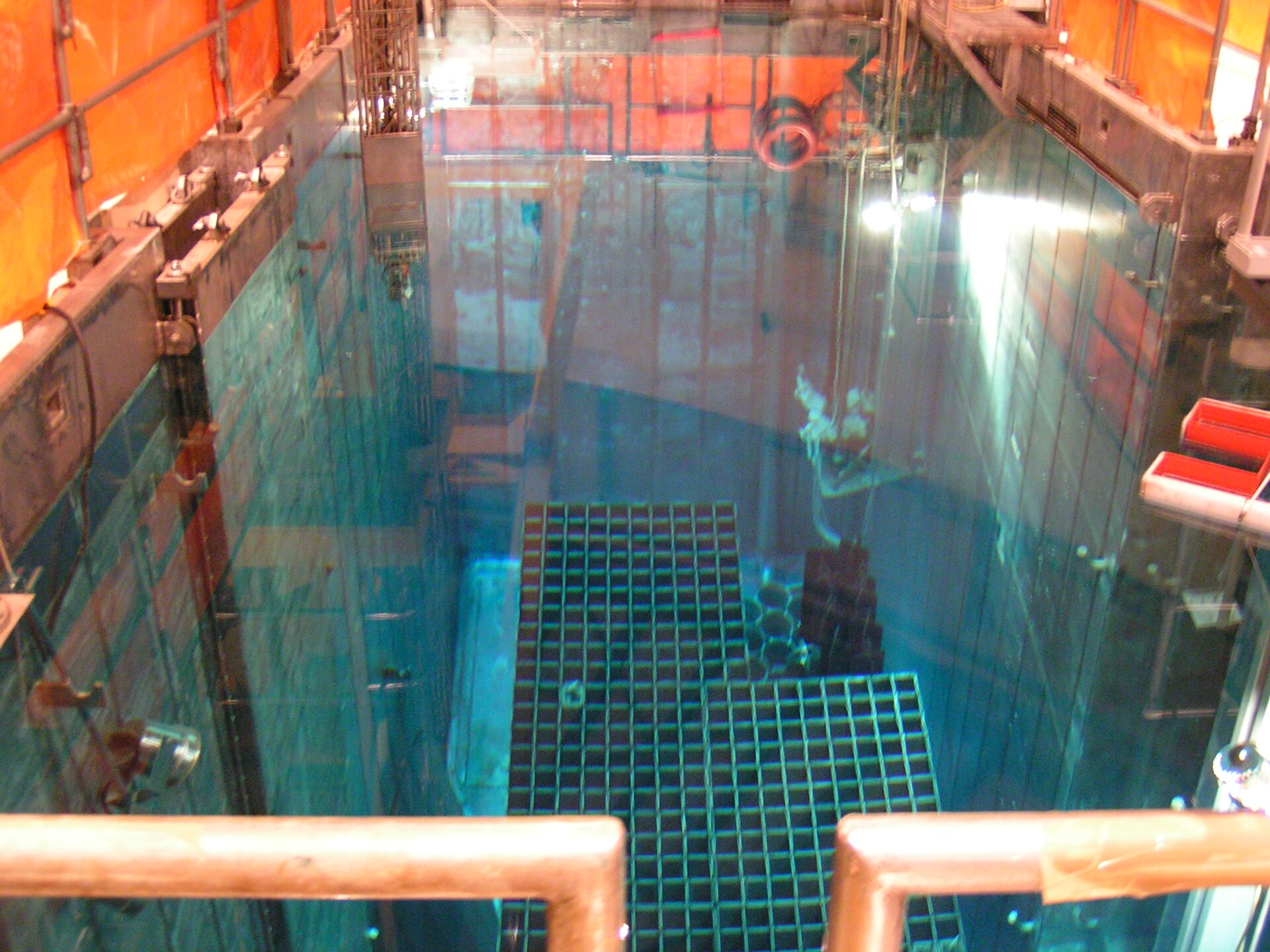 Photo: Italy’s Caorso nuclear power plant, shut down after the 1987 referendum, stands as physical evidence of the country’s nuclear phase-out. Source: Simone Ramella / Wikimedia Commons, CC BY 2.0
When solar drives daytime wholesale prices toward zero, reactors lose their most lucrative revenue window. A report published by France’s EDF in February 2026 highlighted this dilemma: the rapid expansion of wind and solar is placing severe structural pressure on the operating economics of France’s existing nuclear fleet. With Europe’s largest atomic fleet, France was simply the first to hit this economic ceiling.
Nuclear reactors bear heavy fixed capital depreciation and ongoing staffing costs, requiring continuous, high-capacity-factor operation to amortize their initial investment. If daytime revenue is hollowed out by cheap renewables, reactors would have to double nighttime tariffs just to break even. The more low-cost solar that joins the grid, the more precarious nuclear return on investment becomes. As one commenter put it bluntly: nuclear power has virtually no technical downsides except construction time and capital cost—aside from being entirely unviable on merchant wholesale markets.
Thirty-Nine Years Idle, Still Importing Power from Neighbors
Italy was an early leader in European civilian nuclear power, with four commercial reactors feeding the grid prior to its phase-out. The 1987 referendum abruptly halted the program. In the decades since, Italy remained structurally dependent on imported energy, paradoxically becoming one of Europe’s largest consumers of foreign nuclear power: domestic plants were decommissioned, but electricity continued to flow across the Alps from reactors in France and Switzerland.
Following the Senate vote, Minister for the Environment and Energy Security Gilberto Pichetto Fratin summarized the government’s stance: “Nuclear isn’t a return to the past.” He added the pivotal caveat: “When integrated with renewables, it’s a winning technology, which can give extraordinary results for our energy security.” The statement tacitly acknowledges the new operating reality: if nuclear energy returns to Italy, it will have to accommodate the daytime supremacy of solar.
Commentators also noted the degree to which nuclear debates have been absorbed into broader political and cultural polarization, often obscuring objective engineering trade-offs. The central economic question remains unanswered: in a power grid where solar already handles daytime peaks, how will the Italian government entice private capital to finance multi-billion-euro reactor projects?
Facing Commercial Realities
With this vote, the Italian Senate demonstrated notable political willpower, using a framework bill to dissolve a thirty-nine-year administrative taboo. On paper, establishing dedicated regulatory pathways removes the primary bureaucratic hurdles standing before reactor vendors.
Yet while legislative votes can expedite administrative processes, they cannot override the fundamental rules of merchant power markets. In a modern grid increasingly flooded by cheap daytime solar, whether future reactors can recoup billions of euros in upfront capital strictly through long-term electricity sales remains a far more intractable challenge than winning votes in parliament.
Reference Links:
- AP News Report
- Hacker News Discussion