Every day, more than 830 million people worldwide count carbohydrates before taking their first bite. After eating a bowl of rice, blood sugar surges, forcing patients to time medication schedules or inject insulin directly into the abdomen. Even with rigorous glycemic control, many watch their body weight steadily creep up year after year.
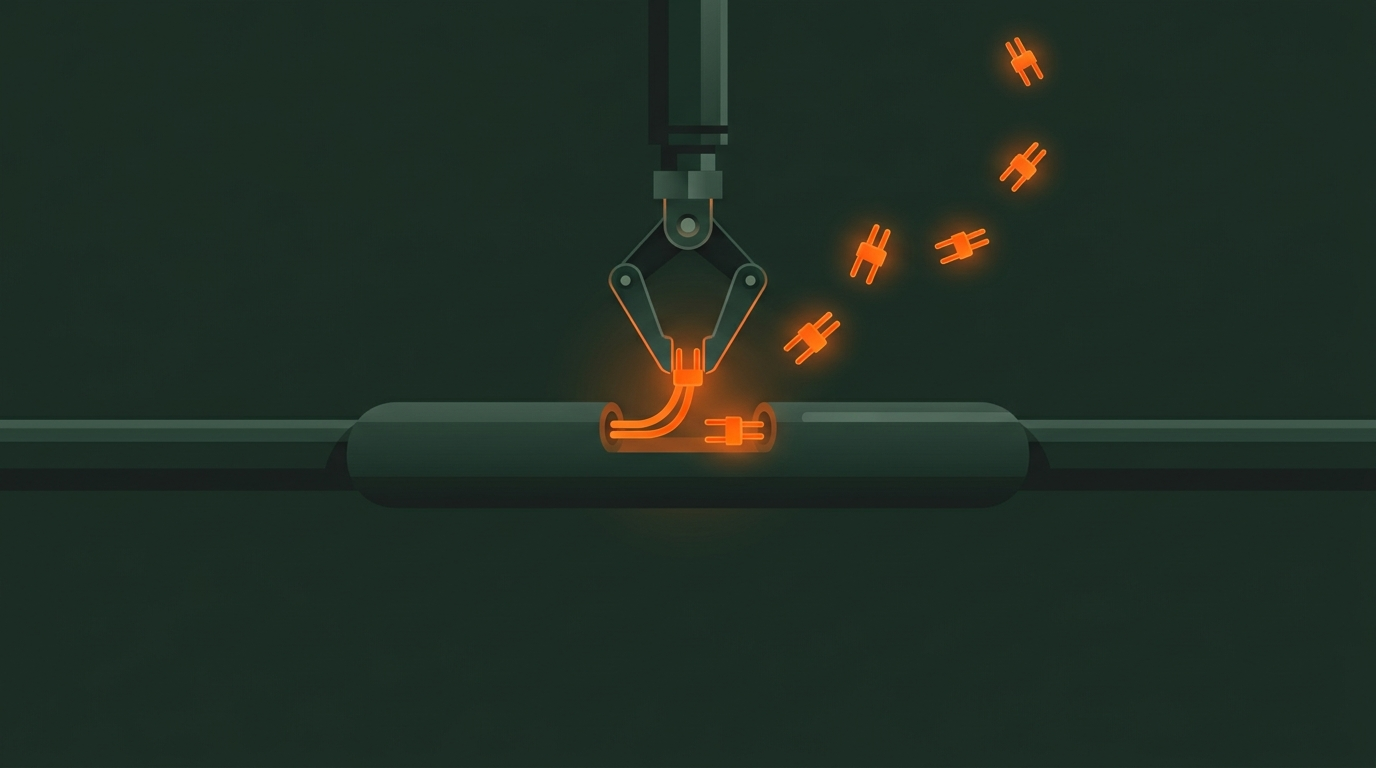
On October 22, 2026, the journal Science published a study outlining a radical departure from this regime. A research team led by ETH Zurich engineered a 3-centimeter subcutaneous implant. Once activated under the skin, it electrochemically oxidizes surplus circulating glucose into water-soluble molecules that are simply flushed out through the urine.
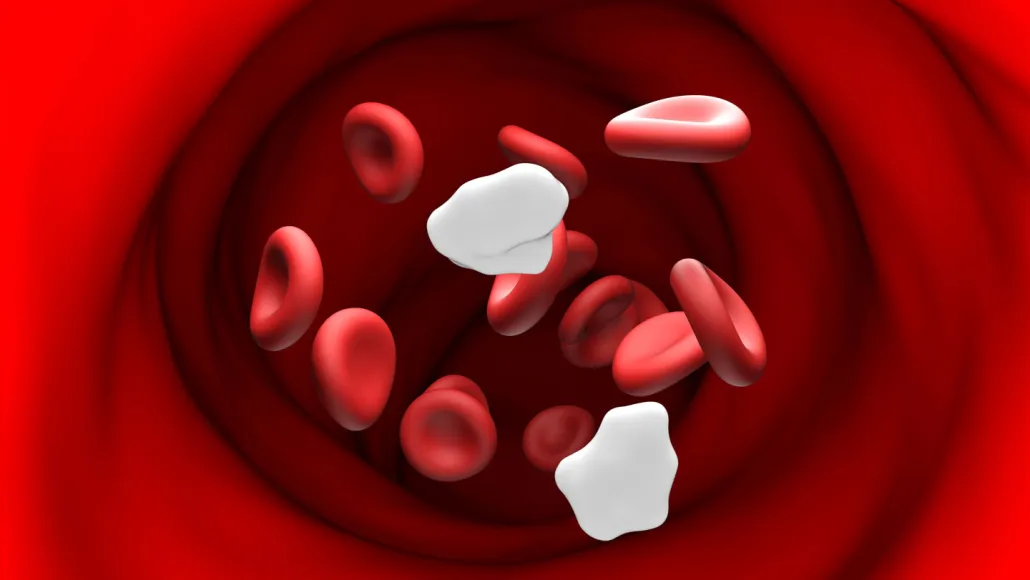 Figure: Conceptual illustration of excess glucose in the bloodstream, targeted by the new electronic implant. Source: Science News / Nemes Laszlo / Science Photo Library / Getty Images
Insulin Packs Sugar Into Cells, Often at the Expense of Stored Fat
Common intuition assumes that antidiabetic drugs and insulin eliminate sugar. In reality, the underlying physiology works quite differently.
Insulin acts as a cellular key, unlocking muscle and liver cells and prompting them to take up circulating blood glucose. While clinical blood glucose numbers drop, those carbohydrate calories remain locked inside the body.
When cells hit their storage ceiling, excess energy is inevitably converted into adipose tissue. This explains why many diabetic patients gain weight year after year, despite dutifully adhering to strict insulin regimens.
Current pharmaceutical therapies demand that the body handle the overload internally. As long as caloric intake remains in surplus, this cellular shuttling easily degrades into a vicious cycle.
A 3-Centimeter Subcutaneous Device Routs Blood Sugar Straight to Urine
The ETH Zurich team stepped outside conventional pharmaceutical logic. Led by Professor Martin Fussenegger, researchers tackled a biochemical crisis with a direct physical device.
They designed an entirely inorganic, flat patch measuring only 3 centimeters—roughly the length of the top joint of a pinky finger. The implant contains no living cells, engineered enzymes, or biological proteins; it operates entirely through weak electric currents.
At the core of the system is electrochemical oxidation. When a microcurrent passes through its electrodes, excess glucose in surrounding interstitial fluid is oxidized into gluconate, a water-soluble organic acid easily filtered and excreted by the kidneys.
Gluconate molecules are small and highly soluble. The kidneys filter them effortlessly into the bladder, eliminating them with everyday urination. Neither the liver nor fat cells are recruited to absorb the caloric burden—surplus sugar is simply erased from the body’s metabolic ledger.
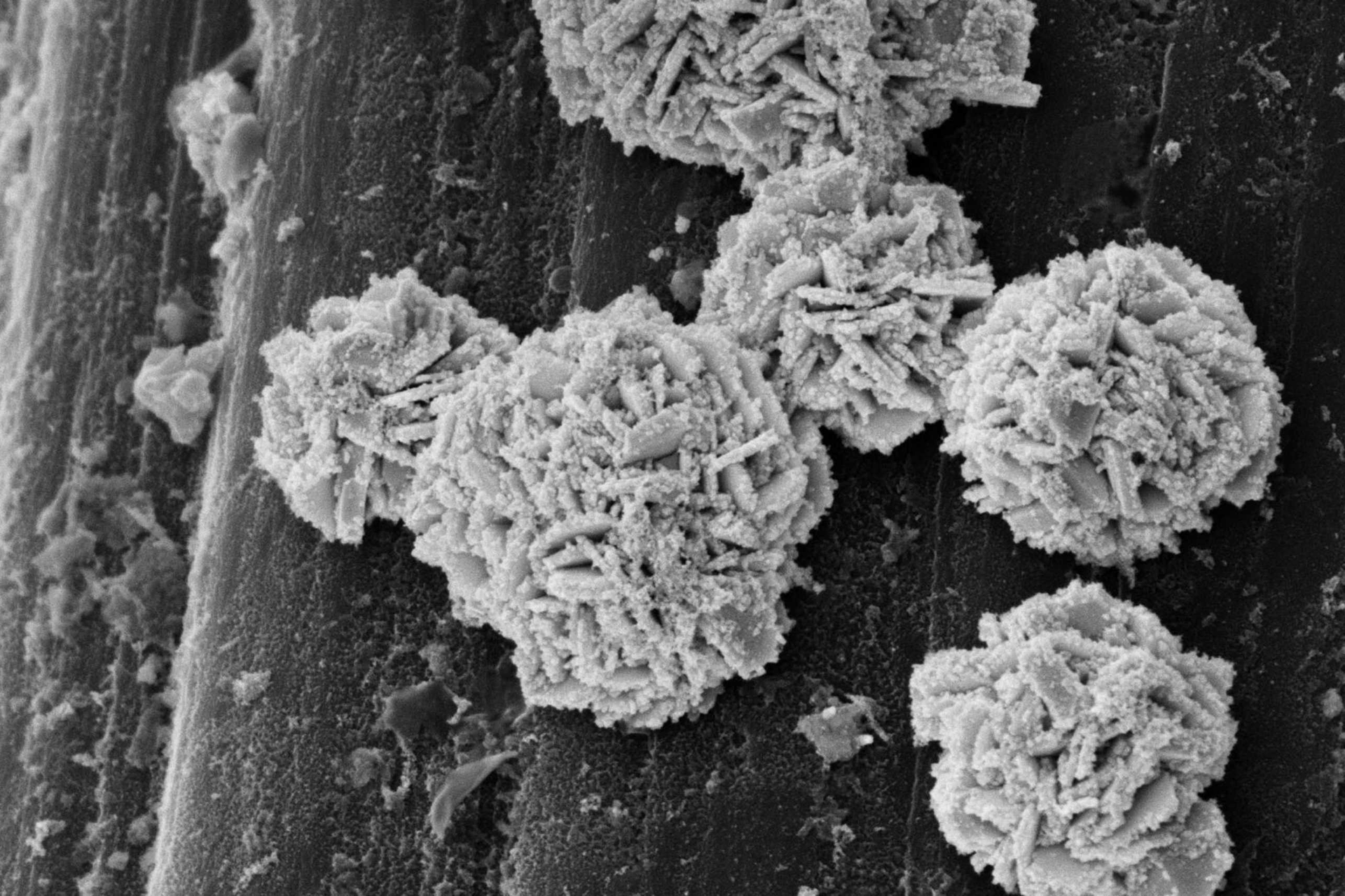 Figure: Scanning electron micrograph of the catalyst; the spherical structures consist of gold nanoflakes decorated with platinum nanoparticles. Source: ETH Zurich / Debasis Maity
Gold and Platinum Nanomesh Fires Up for 90 Post-Meal Minutes
Oxidizing glucose sounds straightforward on paper, but sustaining the reaction in living tissue demands sophisticated material engineering. Fussenegger’s team constructed a composite catalyst made of graphite felt, gold nanosheets, and fine platinum nanoparticles.
Under an electron microscope, the catalyst reveals overlapping petal-like layers reminiscent of a desert rose crystal. This pleated nanostructure massively expands surface area, capturing abundant glucose molecules within a tiny footprint.
To protect patients from hypoglycemia, the device must know when to power down. The team paired the implant with a standard continuous glucose monitor (CGM) worn on the arm.
When a heavy meal drives blood sugar past a predefined warning threshold, the CGM alerts a smartphone via Bluetooth. An external transmitter coil delivers low-level radiofrequency energy at 13.56 MHz to the subcutaneous implant, kicking off catalytic oxidation.
Experimental data demonstrated that within 60 to 90 minutes of activation, postprandial glucose spikes in diabetic mice smoothed out into safe, normal ranges. The system then cuts the wireless power link and returns to standby. This automated closed loop operated reliably in eight mice across two weeks, deliberately designed to halt before blood sugar dropped too low.
Obese Mice Shed 10% Body Weight as Metabolism Shifts to Fat Burning
This mechanical sugar-shedding mechanism unlocked an unexpected metabolic bonus.
During a six-week trial in obese diabetic mice, animals carrying an active implant lost up to 10% of their body weight. By comparison, control mice receiving standard antidiabetic drugs continued to gain weight.
Blood assays revealed a significant decline in circulating triglycerides, accompanied by an uptick in ketone bodies—byproducts generated when the body burns fat in the absence of accessible carbohydrates.
These biochemical markers confirm that by siphoning away excess blood sugar, the device forced the body to dip into stored fat reserves to power everyday organ function. In benchtop stress tests, the catalytic system processed 5 liters of glucose solution without fatigue—a volume roughly equivalent to the entire blood pool of an adult human.
Three months after subcutaneous implantation in mice, the electrocatalytic surface showed no fouling or passivation, retaining its initial catalytic efficiency.
Scaling Past the Kidney and Mass-Balance Bottlenecks
Despite these compelling preclinical milestones, a substantial gulf separates laboratory rodents from human clinical reality.
David Klonoff, an endocrinology specialist not involved in the work, highlighted key translational hurdles. A mouse consumes merely 2 grams of carbohydrates daily, whereas an average human adult regularly ingests 250 grams or more—a difference exceeding two orders of magnitude.
Handling human-scale glucose loads would require either significantly enlarging the electrode footprint or deploying multiple implants across different anatomical sites. Whether human kidneys can comfortably excrete hundreds of grams of gluconate daily without complications remains an open question.
If organic acids build up in circulation before excretion, they could disrupt acid-base homeostasis, causing nausea and dizziness. High concentrations of urinary solutes can also drag out vital electrolytes such as sodium and potassium, elevating dehydration risks.
The research team plans to advance testing into pigs and sheep, whose organ scale and blood volumes mirror human physiology far more closely.
Reflecting on the breakthrough, Fussenegger noted that medicine has spent decades managing diabetes through complex pharmacological signals. This compact subcutaneous device opens an alternative frontier: swapping drug metabolism for an electronic switch that directly discharges harmful excess sugar from the body. For millions weary of lifelong dietary arithmetic and syringe routines, it offers an entirely fresh paradigm.
Reference Links:
- Original Research Paper in Science
- ETH Zurich Official Press Release
- Coverage by Science News