Addressing the Crunch: Mac and iPad Delivery Delays Drag into Winter
On November 2, 2026, Apple hosted its latest quarterly earnings call, dampening hopes of an imminent supply chain recovery. Apple CEO John Ternus and the operations leadership team were straightforward: rising costs for core components are putting serious pressure on manufacturing lines, and supply tightness for both Mac and iPad lines will persist at least through the end of 2026.
These upstream bottlenecks have quickly rippled into Apple’s retail and fulfillment channels. Wait times for higher-end configurations on Apple’s official storefront have stretched considerably. Mac Studio units powered by the M5 Ultra face shipping delays of 7 to 8 weeks, while fully loaded models optioned with 512GB of unified memory command an excruciating 10 to 12-week wait. Even 14-inch and 16-inch MacBook Pro models configured with nano-texture glass are seeing estimated dispatch dates slide past 10 business days.
Mainstream consumer laptops have not been spared either. Channel checks show retail inventories for entry-level MacBook Air models dipping to unusually thin levels. Major retail channels across Europe and the Asia-Pacific region are reporting stockouts for select memory configurations, with educational discount orders facing delivery postponements of several weeks. With production unable to maintain a normal cadence, the tech industry’s gold standard for supply chain operations is showing visible cracks under upstream pressure.
Wafer Capacity Shift: HBM Offers Triple the Profit Margins
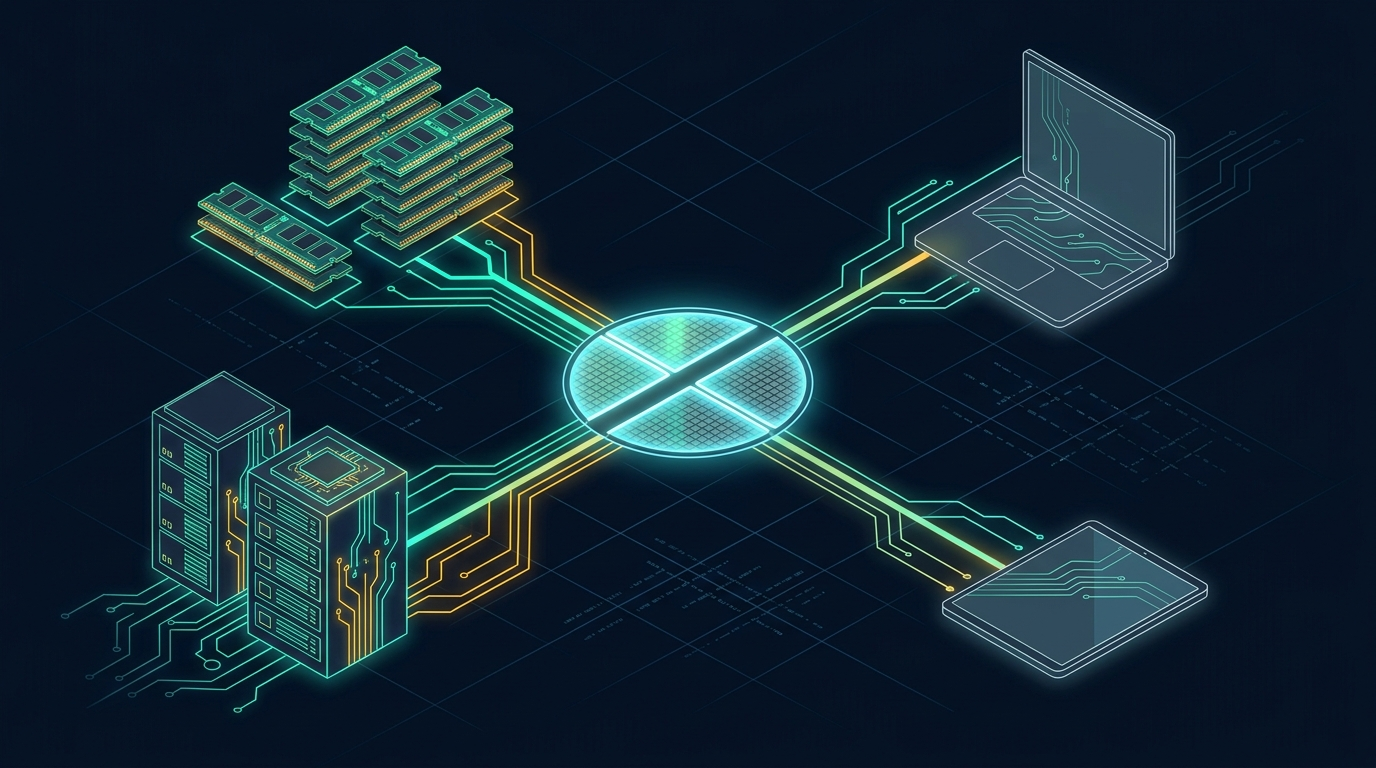
The ultimate bottleneck traces back to semiconductor wafer fabrication. As hyperscalers and data centers worldwide compete fiercely for compute capacity, demand for High Bandwidth Memory (HBM) has skyrocketed.
Industry leaders like Samsung, SK Hynix, and Micron are aggressively retooling their advanced manufacturing capacity. Fabricating an equivalent capacity of HBM stacked dies consumes nearly three times as much raw silicon wafer area as standard memory chips. Advanced packaging lines are similarly monopolized by complex high-density stacking processes. Crucially, AI hardware customers are willing to absorb massive premiums, giving HBM operations gross margins up to three times higher than conventional mobile and desktop DRAM.
Lured by these asymmetric margins, memory manufacturers have moved swiftly to reallocate production lines. Scarce advanced equipment has been tilted overwhelmingly toward data center orders, directly compressing the supply of low-power LPDDR5X chips required by consumer portables. Standard DRAM lines have seen deep cuts, rapidly inverting the supply-and-demand dynamic for consumer memory modules.
$33 Billion in Purchase Commitments Fails to Stave Off Margin Erosion
Apple foresaw the coming turbulence. Financial disclosures in its latest annual and quarterly filings reveal the sheer volume of capital management deployed to protect its component pipeline.
According to the latest earnings report, Apple’s balance sheet inventory doubled year-over-year to $14.5 billion. On the call, Ternus detailed Apple’s proactive forward contracts, noting that manufacturing purchase commitments surged by $33 billion in a single quarter. Apple leveraged its massive cash reserves to lock down foundry capacity and buffer component reserves against runaway cost increases.
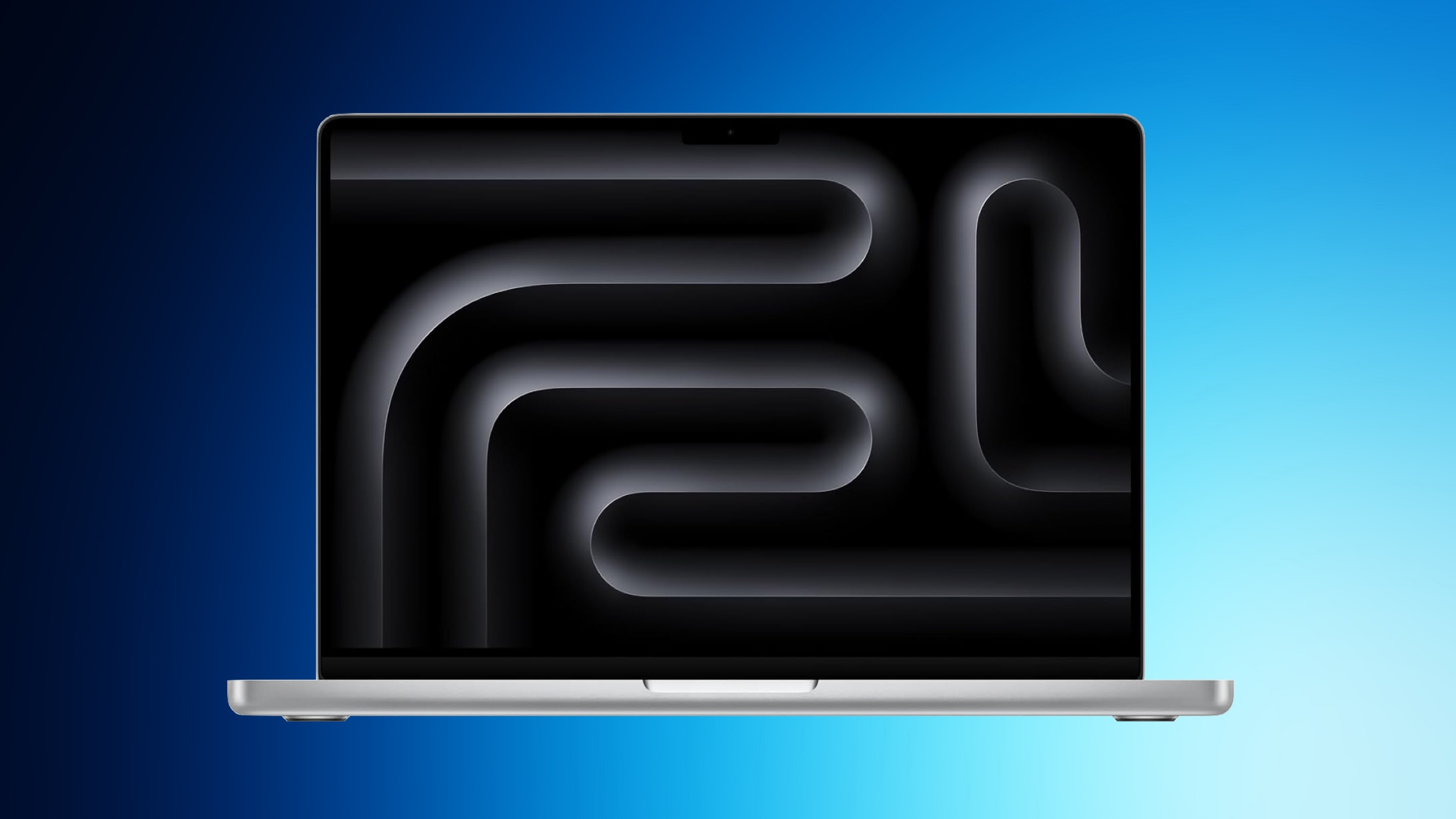 Figure: High-end Macs powered by Apple silicon are acutely vulnerable to shortages of high-density unified memory packages. Source: MacRumors
Yet even this fortress of capital has failed to fully insulate the company from industry-wide cost inflation. Apple issued cautious guidance for the pivotal holiday quarter, projecting gross margins to slide to 45%–46%, down from 47.9% in the prior quarter. Executives directly attributed the compressed profitability to rising memory acquisition costs. Modest cost declines across non-memory components cannot offset the steep premiums demanded for memory dies. Despite two earlier retail price adjustments on select configurations, BOM (Bill of Materials) inflation continues to erode margins.
Trimming Top-Tier BTO Specs: The Deepening Supply Chain Standoff
Delivery bottlenecks have forced Apple to trim build-to-order (BTO) offerings on its online store, while quietly accelerating its search for alternative suppliers.
Over the past two months, Apple has quietly scaled back certain high-capacity memory configurations. Several 32GB and 64GB preconfigured options for the Mac mini were taken offline, while Mac Studio temporarily dropped its 256GB unified memory option. By reigning in demand for ultra-high-end configurations, Apple can channel available dies into keeping baseline models shipping. Supply chain analyst Ming-Chi Kuo noted that Apple has had to alter its production planning: the team must now project TSMC fab allocations three months ahead based strictly on secured memory quotas, preventing processors from sitting idle on assembly floors waiting for memory.
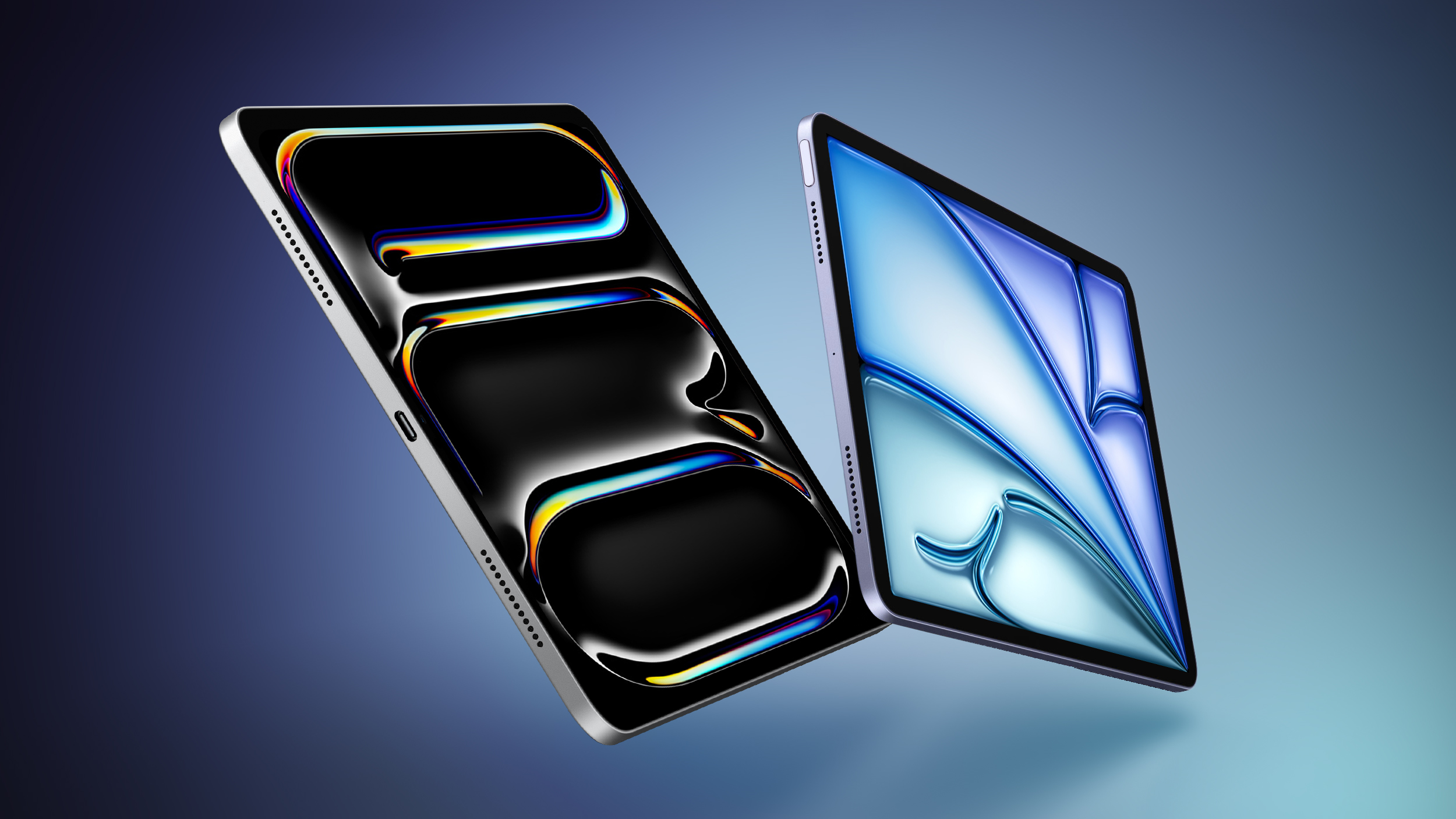 Figure: The iPad segment saw quarterly revenue drop 10% year-over-year to $6.2 billion, as component constraints continue to throttle volume shipments. Source: MacRumors
Simultaneously, Apple is exploring non-traditional suppliers to alleviate near-term shortages. Industry reports indicate Apple is qualifying regional alternatives, accelerating validation for domestic suppliers such as CXMT for select localized devices. Proponents argue that regional supply chain isolation helps bypass broader shipping bottlenecks and keeps high-volume, mainstream devices moving. However, critics point out that top-tier Macs depend on ultra-wide bus widths and custom unified memory architectures—substitutes lag significantly in both bandwidth and energy efficiency, making them unviable replacements for high-performance models in the near term.
AI Rewrites the Rules: Consumer Hardware Loses Center Stage
Recent hardware performance reflects this supply split: Mac revenue reached a record $3.79 billion, while iPad revenue slid 10% year-over-year to $6.2 billion. This widening divergence highlights a broader shift: consumer electronics no longer hold unchallenged sway over semiconductor priorities.
For more than a decade, smartphones and personal computers formed the foundational pillar of the global chip industry. Tech giants moving hundreds of millions of units commanded unmatched bargaining power and guaranteed priority on fab floors. But the explosion of generative AI has disrupted that status quo. Leading cloud providers now commit tens of billions of dollars per quarter in CapEx, with individual GPU server nodes valued at tens of thousands of dollars. In the battle for silicon wafers, AI server clusters wield overwhelming purchasing power and willingness to pay.
By extending its shortage forecast all the way to late 2026, Apple has tacitly acknowledged a structural power shift across the semiconductor landscape. The era when consumer electronics giants could dominate supply chains purely on sheer volume has drawn to a close. As the AI compute arms race continues to siphon off silicon, consumer hardware—regardless of unit volume—must wait in line behind AI data centers for wafer allocations.
References:
- Apple Q4 FY2026 Financial Results and Earnings Call
- MacRumors Supply Chain Analysis and Earnings Takeaways
- 9to5Mac Hardware Inventory Checks & Bloomberg Reports