Even before 2027 has arrived, the entire global supply of memory planned for production that year is already sold out—and the buyers are AI giants. In early August, Taiwan industry outlet DigiTimes reported that the world’s three dominant DRAM manufacturers—Samsung, SK Hynix, and Micron—have completely booked out their entire 2027 memory manufacturing capacity, leaving not a single wafer unreserved. Together, these three suppliers account for the vast majority of global DRAM memory production. Put simply, the memory needed for PCs, smartphones, and gaming consoles for all of next year and beyond has already been locked down in advance.
First, a quick background check. Every computer and smartphone relies on a component known as DRAM (or RAM), which serves as short-term memory. Whether you have ten browser tabs or twenty applications open, that active data lives in RAM and clears when the system powers off. When memory is insufficient, the system slows down. Historically, RAM was the cheapest component upgrade available. Today, that reality has shifted dramatically.
Since 2025, RAM prices have spiraled out of control in a crisis tech media dubbed “RAMageddon.” In Q1 2026, memory contract prices surged by up to 95%, followed by reports of another 60%+ increase in Q2. Retail markets have been even more volatile: spot prices for DDR5 ICs surged nearly 1.8x over a single year. A 32GB RAM kit jumped from around $100 at the beginning of the year to roughly $400. Gaming publication IGN used price-tracking tools and found a standard RAM kit listed on Amazon for $189. On Hacker News, community members shared invoices showing the exact same RAM stick bought for $140 last year now commanding over $400—marking the most extreme price hike in three years, bar none.
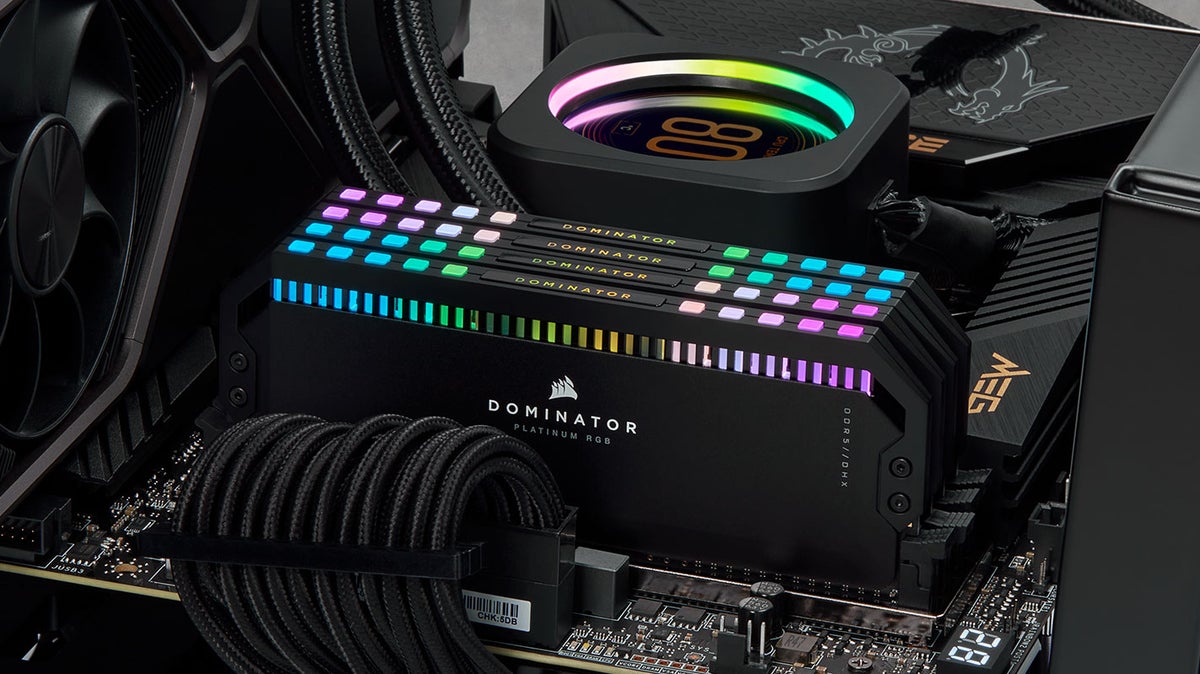
Photo: RAM sticks experiencing price surges. Source: IGN
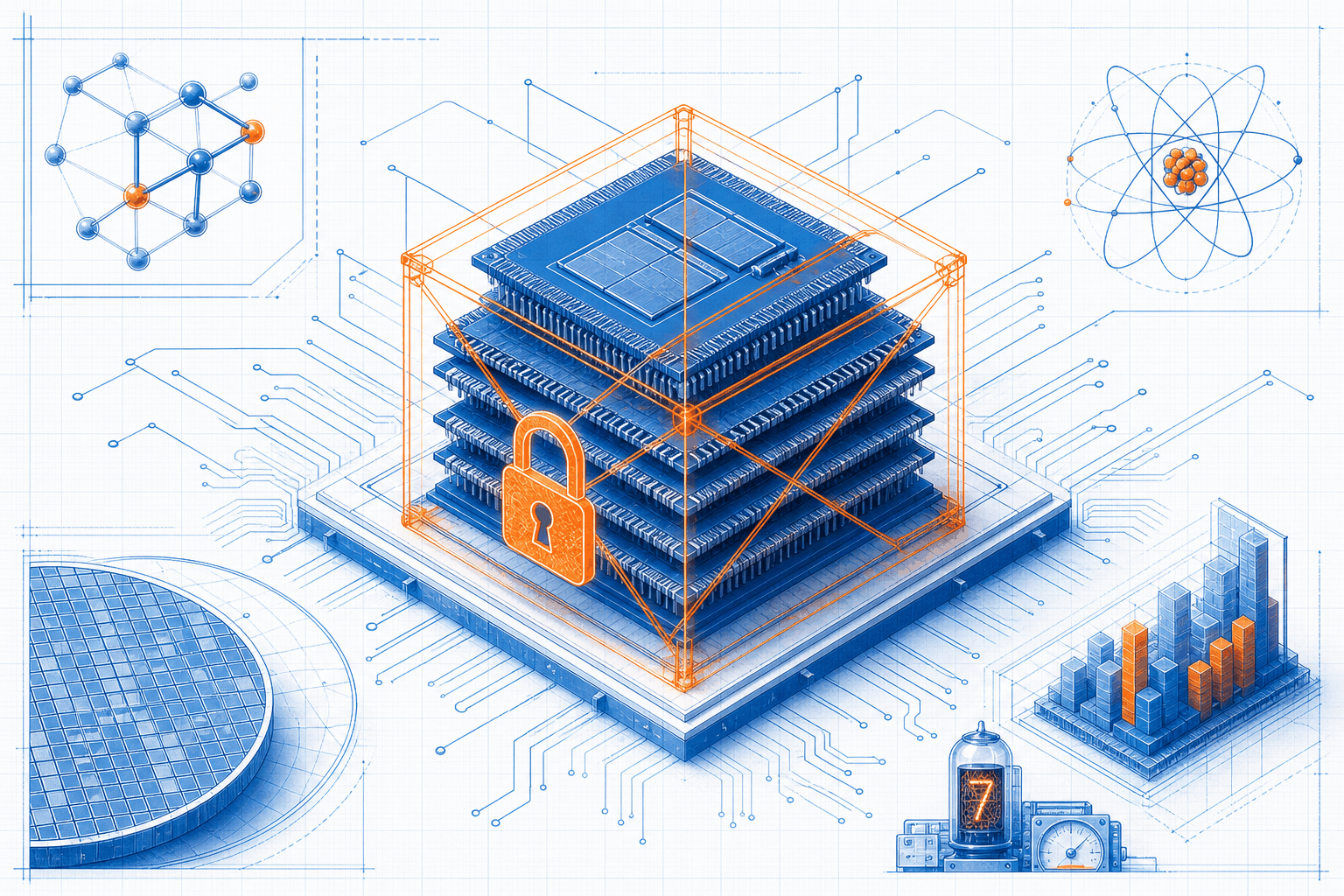
The driving force behind this price surge is artificial intelligence. Training and executing AI models fundamentally requires moving massive volumes of data between chips at ultra-high speeds, demanding immense memory capacity placed directly alongside processing units. To meet this demand, AI chip makers like Nvidia require specialized High Bandwidth Memory (HBM). HBM stacks 8 to 12 vertical layers of DRAM chips directly onto the processor substrate, achieving transfer speeds over ten times faster than standard consumer RAM sticks.
The core conflict is that HBM and standard consumer RAM modules originate from the exact same silicon wafer fabrication facilities and assembly lines. Producing HBM for AI hardware generates far higher profit margins for memory manufacturers. As a Micron executive bluntly explained during an earnings call, producing an equivalent gigabyte capacity in HBM consumes roughly three times the silicon wafer capacity of standard DRAM—owing to larger die sizes, complex vertical stacking, and lower manufacturing yields. Facing these economics, manufacturers naturally shifted their production capacity toward HBM.
Consequently, consumer capacity has been steadily crowded out. Data from market research firm TrendForce shows HBM’s share of total DRAM wafer capacity climbing from around 10% in 2023 to 23% by April 2026. Nearly a quarter of global DRAM manufacturing capacity now flows into AI data centers, leaving a shrinking fraction for consumer devices. With overall fabrication capacity constrained, every additional wafer consumed by AI directly reduces availability for everyday consumers. This wave of price increases represents a fundamental reallocation of manufacturing capacity toward higher-margin buyers.
This shift explains why 2027 manufacturing capacity is already sold out. Reports indicate major tech buyers paid upfront cash deposits to guarantee allocation, fully locking up 2027 DRAM and HBM capacity across all three major suppliers. Even NAND flash capacity for solid-state drives is near full reservation through August. Samsung itself acknowledged that memory prices will likely continue climbing into 2027.
At the back of the queue in this memory land grab are everyday consumers looking to buy PCs, phones, or consoles. Gaming hardware is already feeling the pressure: Microsoft raised Xbox Series X prices in selected regions, while Valve acknowledged that final pricing for its Steam Machine handheld was forced higher than originally planned due to surging RAM costs. Major PC vendors including Lenovo, Dell, HP, Acer, and Asus have warned that full system prices could increase by 15% to 20%. Mobile devices are equally affected, with smartphone memory chip prices jumping 83% in Q2. Students preparing for school, professionals upgrading smartphones, and gamers waiting for new hardware are all footing the bill for AI’s appetite.
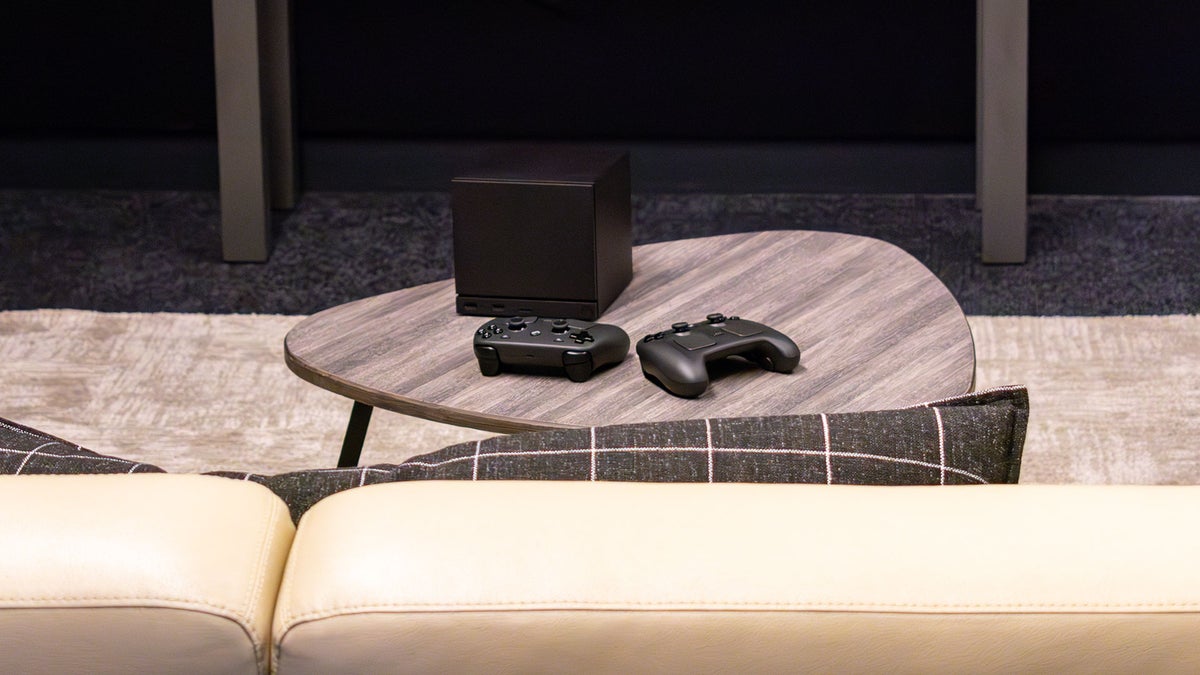
Photo: Valve’s Steam Machine handheld, forced into a higher price point than planned. Source: IGN
Regarding reports of 2027 capacity being sold out, the reality is nuanced: while exact figures may involve posturing, the overall trend is accurate. The three major memory makers currently face a US class-action lawsuit alleging price collusion, meaning “sold out” declarations carry marketing intent and warrant healthy skepticism. As one sharp Hacker News comment put it, vendors might be pre-selling “future chips that physically cannot even be manufactured yet.” Regardless of PR framing, continued retail price increases are almost guaranteed—underlying supply-demand imbalances dictate market pricing far more than press releases.
When will supply conditions normalize? Slower than most expect. Semiconductor fabrication facilities cannot instantly expand capacity like a retail stockroom. Building a new cleanroom facility from groundbreaking to mass production takes over two years: SK Hynix’s new fab comes online in 2026, Micron’s Idaho facility in 2027, Samsung’s largest new fab in H2 2028, and Micron’s New York fab is scheduled for 2029–2030. Furthermore, new capacity will prioritize HBM and enterprise products first, leaving limited relief for standard RAM. IDC estimates global DRAM supply growth in 2026 at just 16%, well below historic benchmarks. Mainstream industry consensus suggests noticeable market easing won’t occur until late 2027 or 2028, with SK Hynix warning that shortages could extend beyond 2030.
For average consumers, the takeaway is straightforward. PCs and smartphones are durable goods rather than fast-moving consumer items. If your current machine functions well, holding off on upgrades for two years offers a high probability of buying when prices cool—memory is a classic cyclical commodity, and every major price spike over the past thirty years has eventually corrected. However, if an immediate purchase is necessary—such as a student gearing up for a new term—buying now is wiser than betting on 2027. High-capacity memory modules face the steepest inflation, so purchase according to actual needs rather than hoarding. Speculating on RAM, much like speculating on GPUs, leaves buyers holding overpriced inventory.
The most notable takeaway from this “RAMageddon” is that AI is consuming tangible, physical manufacturing infrastructure, with workplace automation serving as merely the first phase. The standard memory module inside your PC has effectively become the cheapest hostage in an escalating AI arms race. As one developer on a technical forum dryly observed: consumer demand has been successfully eliminated by price. It sounds harsh, but reviewing those 2027 sold-out order ledgers, the statement holds true.
References:
- IGN: RAMageddon Continues: 2027 Memory Capacity Reportedly Sold Out
- Hacker News Discussion (item?id=49207236)
- TweakTown: Memory Capacity for All of 2027 Has Reportedly Been Booked and Sold
- Rock Paper Shotgun: Coverage on Big Three Memory Makers 2027 Capacity Sold Out
- TrendForce Memory Market Report (cited across tech media)
- Micron Earnings Call Transcript (HBM wafer capacity consumption ~3x standard DRAM)