Walk into an American supermarket in the morning and pick up a bottle of salad dressing or a box of cookies. Glance at the ingredient statement on the back of the packaging, and you will find soybean oil and soy lecithin virtually everywhere.
Most Americans have never eaten a piece of tofu or sipped a glass of soy milk in their lives. Yet according to projections from the U.S. Department of Agriculture, American farmers will harvest an estimated 4.52 billion bushels of soybeans in 2026. At roughly 60 pounds per bushel, that amounts to an astonishing 270 billion pounds of soybeans harvested nationwide each year.
Divided among the nation’s 330 million residents, that works out to nearly 800 pounds (about 360 kilograms) of soybeans for every American annually. To put that in perspective, 360 kilograms is roughly the weight of half a compact car. If eaten directly as whole beans, every single person would have to consume more than two pounds of dry soybeans every single day. Yet the vast majority of consumers have never bought a single raw soybean. Where on earth is this colossal mountain of crops hiding?
800 Pounds of Soybeans per Person Every Year, Yet Not a Single Bean on the Plate
This cognitive disconnect stems from the food industry’s genius for invisible transformation. Food processing plants convert soybeans into cooking oil for deep-frying and emulsifiers for creamy mayonnaise. In the ingredient statements of processed foods, soy lurks in plain sight through various decomposed forms. From ice cream to canned soup, infant formula to bakery bread, its fingerprints cover supermarket shelves from coast to coast.
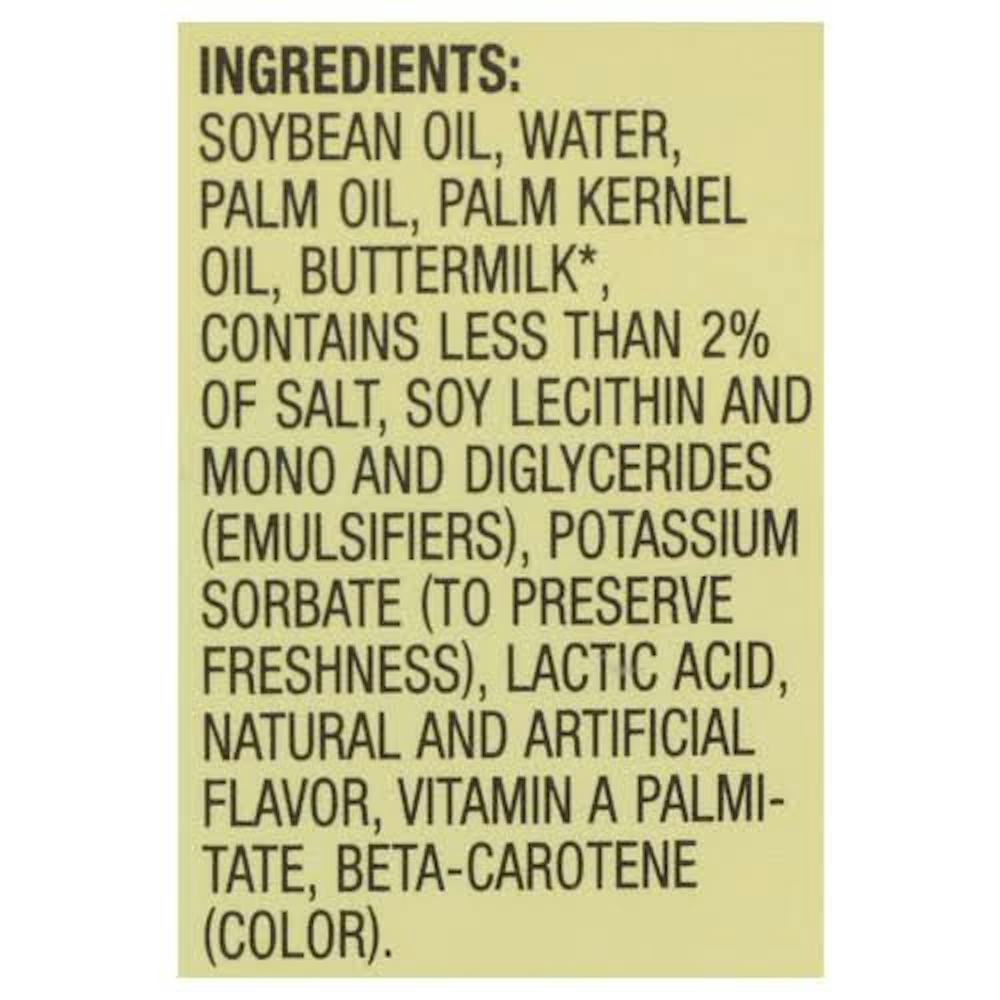 Figure: Soybean oil and soy lecithin on a packaged food ingredient label. Source: The Conversation / Super 1 Foods
Soybeans are not native to North America. Between 6,000 and 9,000 years ago, farmers domesticated the crop in northern China. By the first millennium B.C.E., it ranked among China’s revered “five grains,” the foundational staple crops recognized in ancient texts. In 1764, an English sailor named Samuel Bowen brought a handful of soybean seeds to Savannah, Georgia. For the next 150 years, however, soybeans remained little more than a botanical curiosity for agronomists and occasional forage for livestock.
Plant Explorers Bring Seeds to America, and Henry Ford’s All-Soy Banquet Flops with Press
The turning point came at the dawn of the 20th century. Around 1900, USDA plant explorer Frank Meyer traveled across China, collecting dozens of distinct soybean varieties. Government agronomists Charles Piper and William Morse subsequently cultivated and evaluated these varieties on federal experimental farms, screening for optimal yield, hardiness, and plant form. They distributed promising seeds to agricultural experiment stations throughout every state.
Automobile titan Henry Ford emerged as the crop’s most enthusiastic champion in early 20th-century America. In 1933, Fortune magazine marveled that Ford was “as much interested in the soya bean as he is in the V-8” engine. By 1935, manufacturing a single Ford automobile consumed roughly a bushel of soybeans. These beans were refined into enamels for car paint and molded into early plastic components. In 1941, Ford publicly unveiled his lightweight “Soybean Car,” featuring 14 soy-derived plastic body panels mounted on a tubular steel frame.
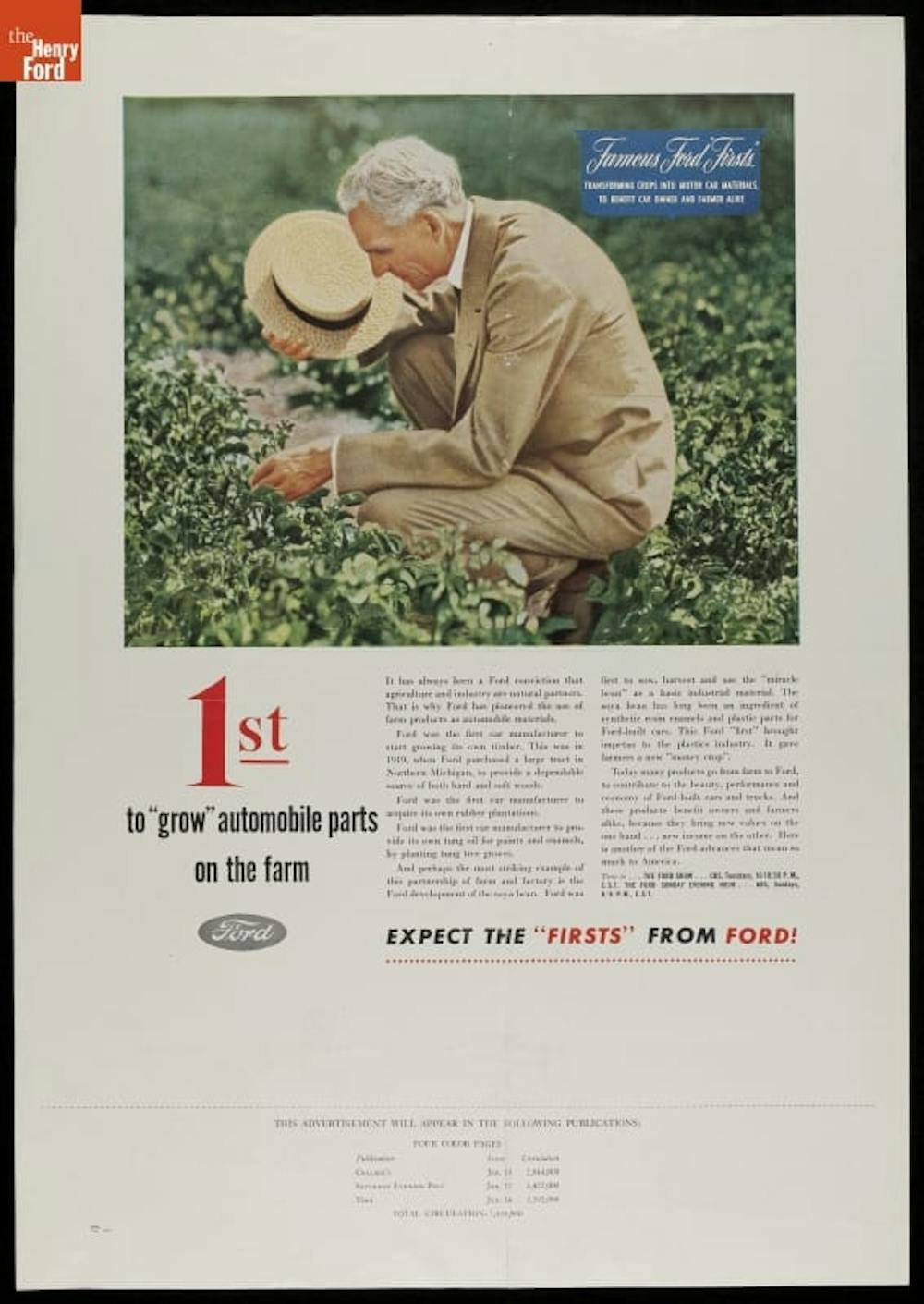 Figure: 1946 Ford advertisement: Henry Ford kneeling in a soybean field. Source: The Conversation / The Henry Ford
Eager to promote soy as a dietary staple, Ford invited 30 journalists to an all-soy luncheon at the 1934 Chicago World’s Fair (Century of Progress Exposition). From soybean purée and soybean bread to soybean apple pie and soybean coffee, every dish on the menu was made from the bean.
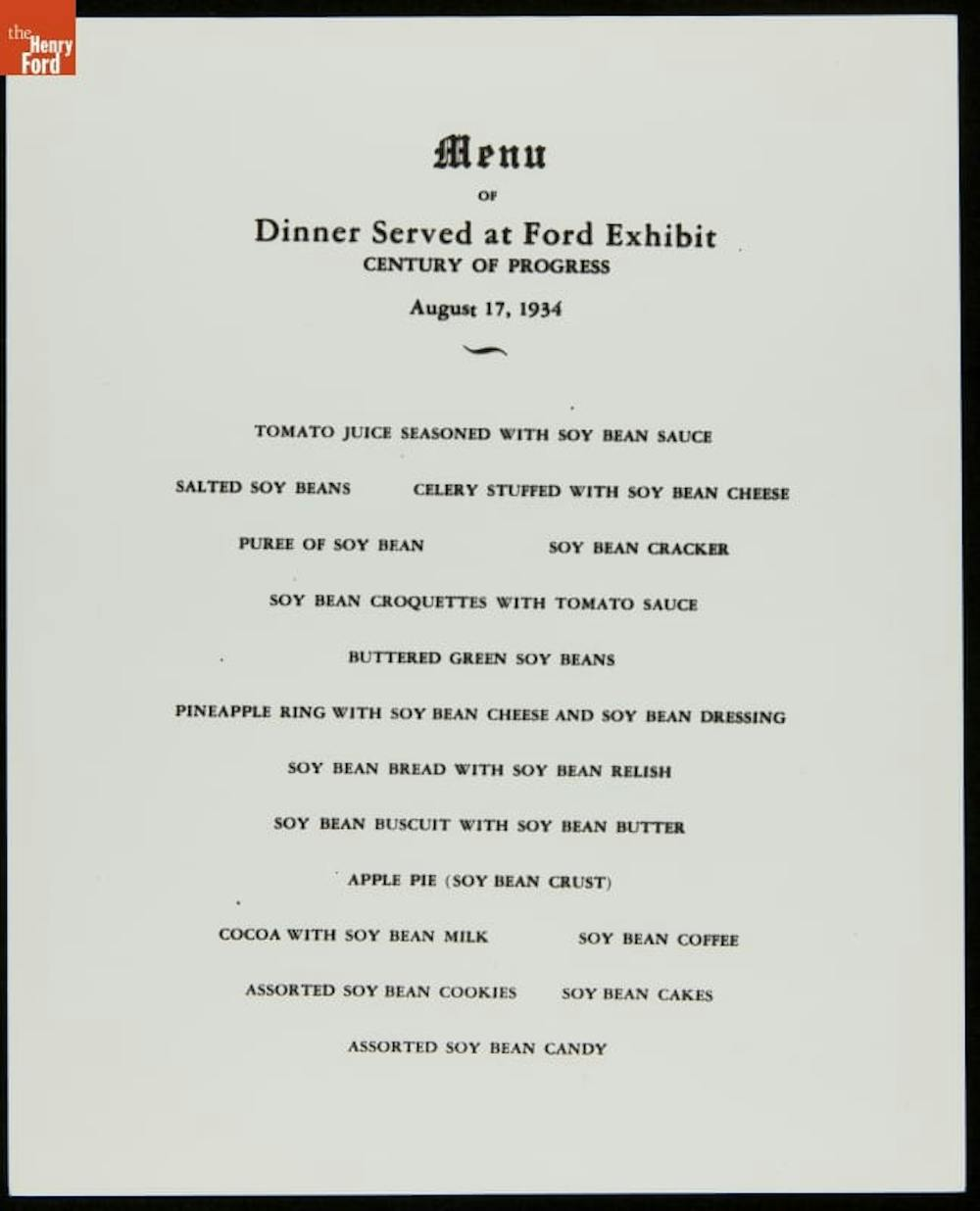 Figure: 1934 Ford all-soy luncheon menu featuring soybean in every course. Source: The Conversation / The Henry Ford
The invited reporters were far from impressed, privately complaining that the food was practically inedible. Ford’s ambition to persuade Americans to eat whole soybeans suffered an immediate setback. The direct culinary route failed, but an industrial decomposition strategy soon cracked the American consumer market wide open.
Crushers Split the Bean in Three: How Industrial Ingredients Slipped into Food Processing
Raw dry soybeans consist of roughly 36% protein and 20% oil. The rise of industrial crushing and chemical solvent extraction in the 1910s transformed the crop’s destiny. Rather than forcing consumers to stomach the bean’s natural flavor and texture, processors dismantled it into three versatile industrial components.
The first is soy lecithin, an emulsifier derived during oil refining. It acts as a molecular bridge, binding water and oil together seamlessly. In chocolate and commercial baking, just a touch of lecithin yields a silky texture and keeps fats from separating.
The second is hydrogenated soybean oil, created by adding hydrogen to convert liquid vegetable oil into solid fat. It dramatically extended the shelf life of cookies and baked goods. Cheap to produce and completely devoid of beany odor, hydrogenated soy oil became the food industry’s go-to replacement for expensive animal fats.
The third is soy protein isolate, a purified powder containing over 90% protein. Mixed with water, it serves as a functional binder and filler for processed meats and breakfast cereals. This neutral-tasting powder slips undetected into protein bars, energy shakes, and canned soups.
Fractionated into these three workhorse ingredients, soybeans offered neutral flavor profiles and unbeatable economics. Food manufacturers seamlessly blended them into everyday packaged goods without leaving a trace on the consumer’s palate.
Margarine Ousts Butter: Soy Oil Claims 80% of the Edible Oil Market in Three Decades
When World War II erupted, foreign imports of tropical fats and oils were abruptly severed. The American food industry pivoted decisively toward domestic soybean oil. After the war, a booming livestock sector sparked massive demand for protein-rich soybean meal. Crushing all those beans produced an unprecedented flood of cheap surplus oil in search of commercial outlets.
Food processors hydrogenated this surplus into affordable margarine and vegetable shortening, aggressively undercutting dairy butter. According to federal data from the USDA’s Economic Research Service, annual per capita butter consumption in the United States plummeted from 16.4 pounds in 1942 to just 5.0 pounds by 1972. Over the exact same span, per capita margarine consumption soared from 2.9 pounds to 11.1 pounds.
By 2008, soybean oil accounted for a staggering 80% of the 18 billion pounds of edible oils consumed annually across the United States. From commercial restaurant fryers to household salad dressings, soybean oil had established itself as the bedrock of the American diet.
Decades later, one reporter who attended Ford’s 1934 soybean luncheon recalled: “Nothing we newsmen ate that day led us to foresee that soybeans were destined a few years later to become an ingredient in many popular food products, some of them delicious.”
Soy Oil Powers Jet Engines: An Industrial Crop Comes Full Circle
By 2026, the soybean’s trajectory has taken another historic turn. In March 2026, federal regulators finalized updated renewable fuel blending mandates for transportation fuels. Massive volumes of domestic soybean oil are now being redirected into commercial biorefineries to produce biomass-based diesel and sustainable aviation fuel (SAF).
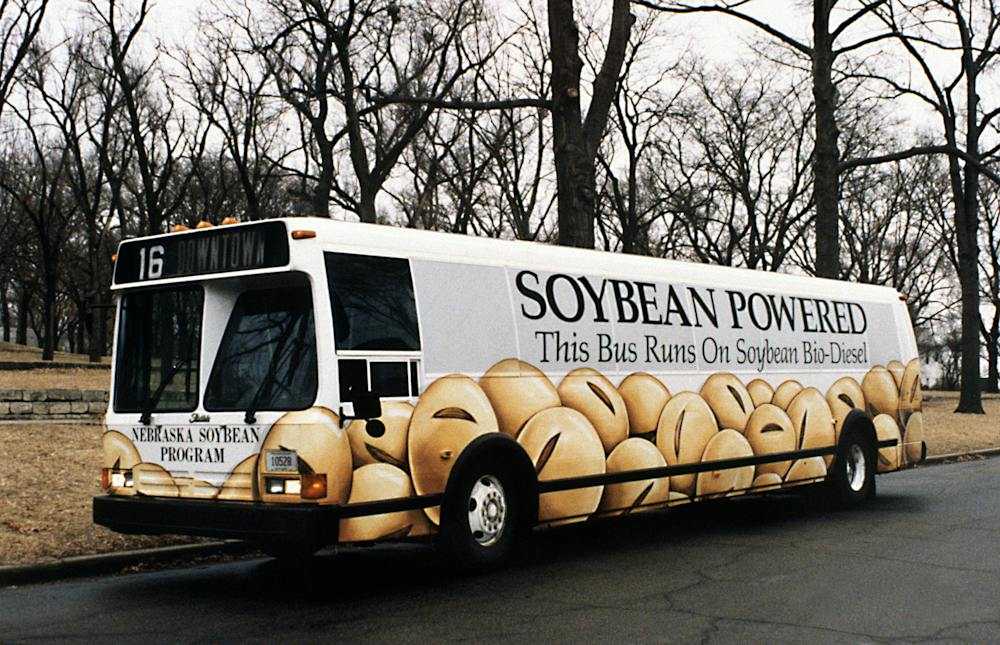 Figure: Nebraska soybean-powered biofuel transit bus. Source: The Conversation / U.S. Department of Energy
More than ninety years after Henry Ford envisioned the fusion of farm and factory, his dream has materialized in ways he never anticipated. The crop that marched out of Midwestern fields not only rebuilt the American dinner table, but is now fueling the engines of cars, transit buses, and jetliners.
The invisible rise of the soybean demonstrates the sheer power of modern food processing. Once an agricultural commodity is disassembled into invisible chemical building blocks, its original identity disappears. The food industry was able to quietly reconstruct the dietary architecture of an entire nation without consumers ever noticing.
Reference:
- The Conversation: How soybeans took over the American diet without anyone noticing