Huang Speaks Frankly in Berlin
During NVIDIA’s GTC Berlin conference on October 22, 2026, CEO Jensen Huang sat down for an interview with CNBC. When asked about plans to partner with CXMT (YMTC) and purchase its memory products, his response was straightforward: “Of course, we’re open to it. We work with Chinese companies; the entire world works with Chinese companies at some point in the supply chain.”
He followed with a statement that carries even more weight: “China is incredible in infrastructure technology, and no country is stronger in manufacturing than China, so we must take their capabilities very seriously.”
For NVIDIA’s CEO to say we must “take China’s manufacturing capabilities seriously”—especially when referring to a Chinese vendor that is catching up to South Korean memory giants—is worth reading three times over at this particular moment.
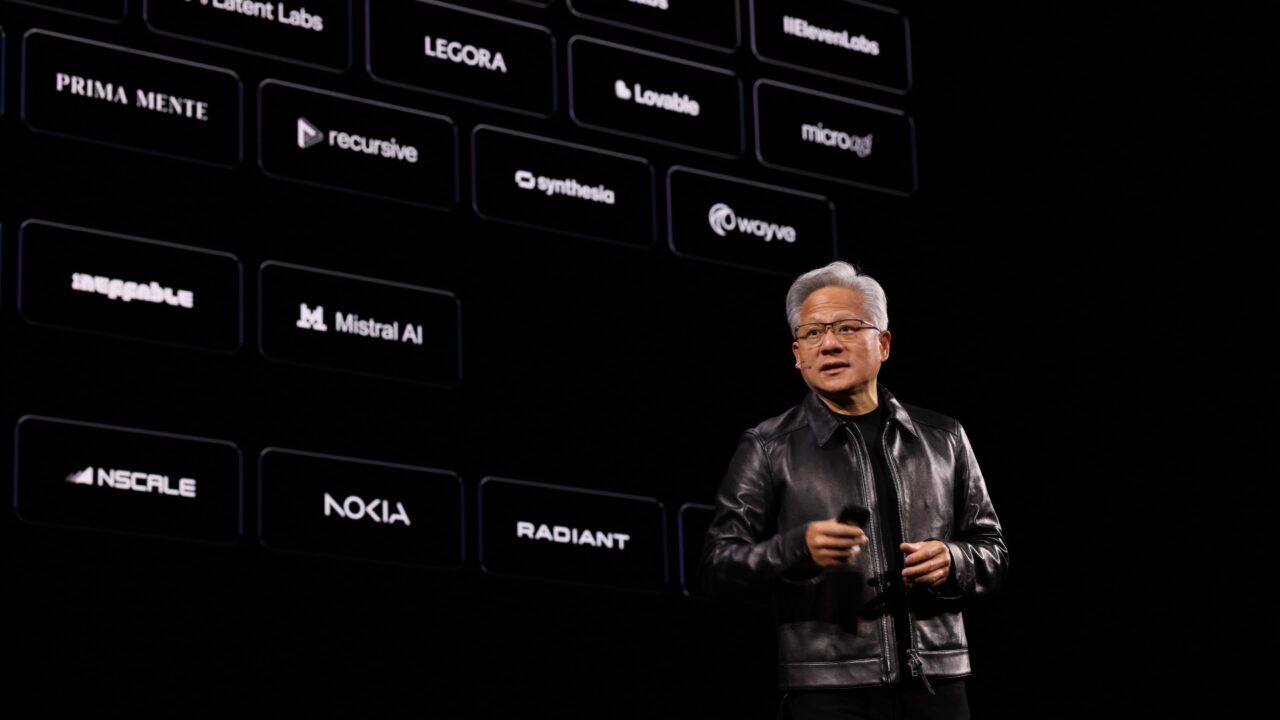
Figure: Close-up of Jensen Huang during his keynote at GTC Berlin 2026. The interview took place during the conference. Source: NVIDIA GTC
The Math Behind the Shift
The motivation for this openness lies in another answer from the same interview. When asked whether memory might face oversupply, Huang stated: “I don’t think so.” His reasoning: “The true advantage of memory is that more is always better—you can always consume more capacity.” He made it a clear judgment that “the memory industry is unlikely to face oversupply by 2029” and emphasized that HBM will continue to be used for many years, as will LPDDR.
Reading these two answers together, the logic becomes clear: NVIDIA sits at the very top of the memory demand side, and the answer from the demand side is “we can take as much as you can produce.” In this situation, every supply chain pipeline is a scarce resource. Excluding the world’s fastest-growing new capacity from the candidate list doesn’t make business sense. “Being open to it” is the conclusion drawn from demand pressure, with the statement merely being its expression.
Why CXMT Made the Candidate List
Huang confirmed one thing in the interview: NVIDIA was the first company to introduce mobile LPDDR memory into global data centers on a large scale, and by doing so, created server solutions with twice the energy efficiency of existing products. LPDDR’s position in NVIDIA data centers has been officially cemented, and LPDDR happens to be CXMT’s most mature and largest-volume production category.
This connection has specific implications: if what NVIDIA consumes in large quantities is indeed LPDDR, then Chinese vendors face far fewer technical obstacles to supply this category compared to HBM. Korean media directly used the phrase “CXMT is catching up to Korean companies” in their reports—the identities of the catch-up and potential supplier are beginning to overlap.
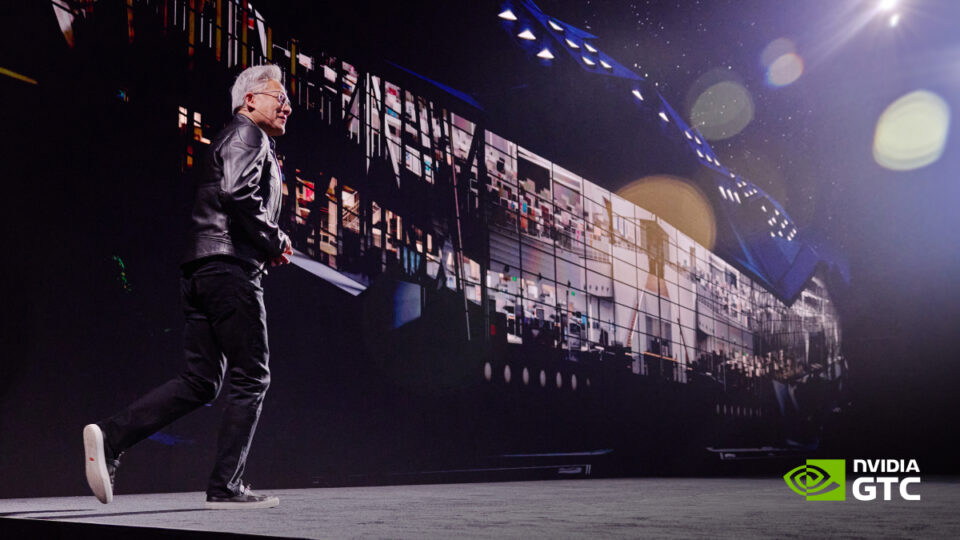
Figure: Official main visual for GTC Berlin 2026. Jensen Huang was interviewed by CNBC during the conference. Source: NVIDIA GTC
What the Korean Supply Chain Heard
Yonhap Infomax fully covered the interview, and Korean financial media translated the part about “not insisting on using only Korean products” sentence by sentence. This reaction itself indicates where their readers’ sensitivities lie. For Samsung and SK Hynix’s memory businesses, NVIDIA is the most critical customer for HBM, and this customer has just publicly expressed openness to a fourth supplier.
Looking at it calmly, actual purchases may not happen immediately. HBM certification cycles take years, and CXMT’s HBM mass production progress hasn’t yet entered NVIDIA’s supply system. This shift changes the expectation structure: NVIDIA is moving from a “de facto dual-supplier situation” to “whoever has capacity gets a seat at the table.” For Korean vendors, this adds an invisible but tangible weight to the balance of pricing power.
For China’s Memory Industry, This Statement Matters More Than Any Order
CXMT certainly needs orders, but what Huang’s statement provides comes before any order: NVIDIA has publicly acknowledged that Chinese memory capacity is a force that must be taken seriously in the global supply system. “No country is stronger in manufacturing than China” coming from someone who coordinates the world’s most complex supply chains weekly carries weight completely different from diplomatic language.
Based on current trends, the memory shortage will last at least until 2029, which means CXMT has a multi-year demand window during which its capacity won’t lack for customers. When the next oversupply cycle arrives, whether CXMT is already on NVIDIA’s list of qualified suppliers will directly determine its survival quality during the downturn.
Huang didn’t promise any orders; the phrase “open to it” is still far from a contract. But the buyer at the very top of the demand side has for the first time publicly included Chinese capacity in the option set. This day itself has been written into the history of China’s storage industry.
Reference links:
- CNBC Interview (GTC Berlin, October 22, 2026)
- Yonhap Infomax English report
- IT Home report