Two Years Off Medication, Blood Pressure Remains Normal for a Quarter of Patients
Waking up in the morning, millions of households find plastic pill organizers on their nightstands, loaded with blood pressure tablets arranged neatly by day of the week. Hypertension has long been viewed as a lifelong chronic condition. The phrase physicians repeat most often is: never stop taking your medication. With more than 1 billion patients worldwide, daily reliance on blood pressure monitors remains the norm.
Conventional antihypertensive therapies only keep the numbers in check; once paused for a few days, blood pressure typically rebounds. The long-standing medical consensus has been unambiguous: hypertension cannot be cured, and patients must be prepared for lifelong medication.
However, a study led by Professor Morris Brown of Queen Mary University of London has challenged this conventional wisdom. The findings were published in the New England Journal of Medicine (NEJM).
 Photo: Patient measuring routine blood pressure at home. Source: The Guardian (Javier Sanchez Mingorance/Alamy)
The research team tracked 14 patients across eight medical centers in the United States. These individuals were treated with a novel drug for 6 to 12 months before discontinuing it according to protocol, followed by an observation period of up to two full years.
The two-year follow-up results exceeded many clinical expectations. Exactly two years after treatment was halted, average systolic blood pressure fell from a baseline of 142.4 mmHg down to 117.2 mmHg—an average reduction of 25 mmHg. Keeping systolic pressure consistently below 120 mmHg places patients well within the generally accepted healthy range.
Among these 14 participants, nearly a quarter stopped all blood pressure medications while maintaining readings firmly in the healthy zone. As Professor Morris Brown noted: “Just under a quarter of patients stopped all treatment, and their blood pressure was completely normal.”
Identifying the Culprit: 10% of Hypertension Driven by Hormonal Imbalance
To understand why blood pressure remained controlled two years after drug withdrawal, one must look at the underlying pathology. High blood pressure is commonly blamed on excess sodium intake or arterial aging, yet these factors do not explain every case.
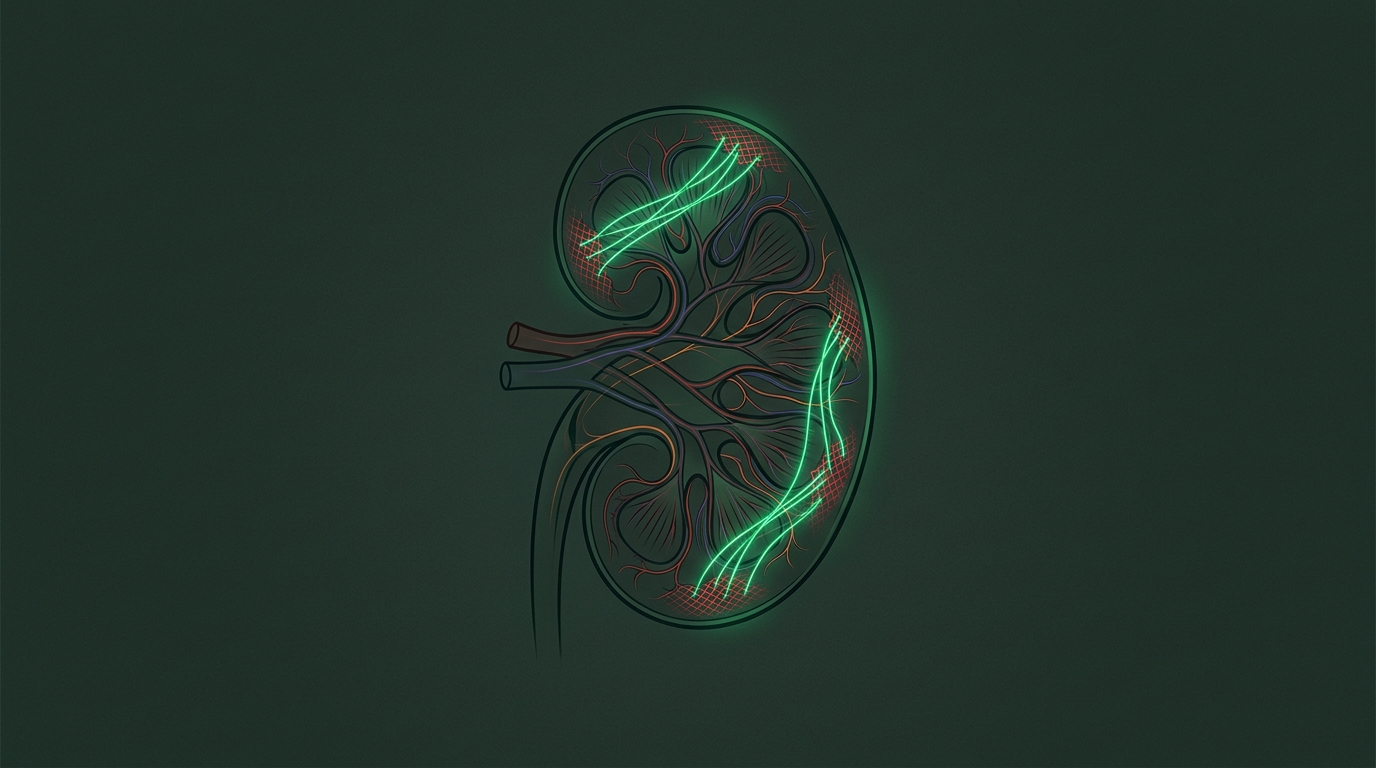
A substantial proportion of patients trace their condition to endocrine glands. Perched atop each kidney are the adrenal glands. Among the broader hypertensive population, roughly 5% to 10% suffer from primary aldosteronism—a condition where benign adrenal nodules overproduce hormones, driving blood pressure upward.
Across 1 billion hypertensive patients globally, between 50 million and 100 million suffer from high blood pressure rooted in hormonal imbalance. This patient population equals the combined headcount of several mega-cities.
The hormone responsible is aldosterone, a steroid hormone secreted by the adrenal cortex that regulates water and electrolyte balance. Its primary physiological role is signaling the kidneys to retain sodium and excrete potassium.
When abnormal nodules develop in the adrenal glands, aldosterone secretion spirals out of control. Excess hormones compel the kidneys to continuously reabsorb salt and water, inflating blood volume and elevating blood pressure. Standard medications merely counteract arterial tension, leaving the glandular source untouched.
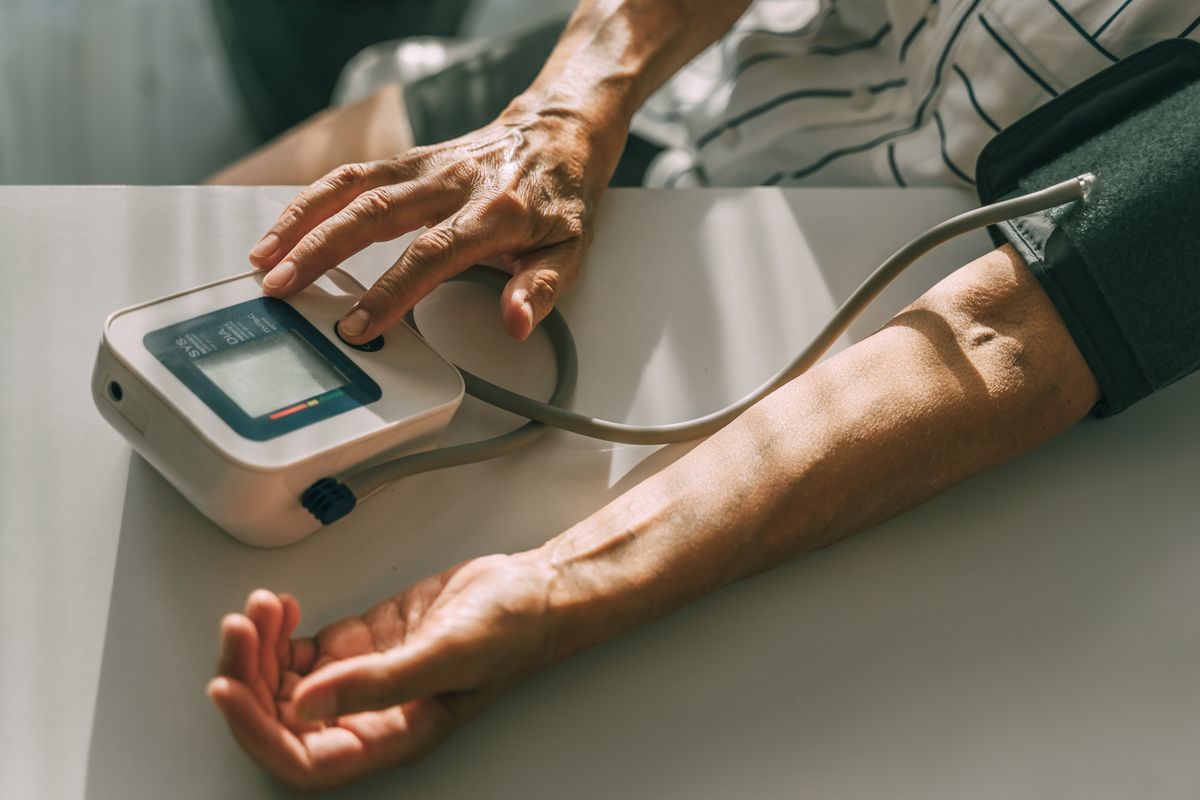 Photo: Blood pressure monitor and clinical equipment used for routine patient tracking. Source: Mirror (Getty Images)
Harnessing Oxygen Radicals: How the New Drug Clears the Lesion
The therapeutic agent delivering this turnaround is baxdrostat. It belongs to the class of aldosterone synthase inhibitors (ASIs)—targeted drugs designed to curb aldosterone production by inhibiting a key synthesizing enzyme.
In May 2026, baxdrostat received US FDA approval for treatment-resistant hypertension unresponsive to standard therapies. During its initial development, researchers regarded it primarily as a potent, conventional antihypertensive agent.
The sustained response two years after drug withdrawal prompted scientists to investigate deeper mechanisms. The trail traces back roughly 20 years to mouse genetic studies.
At that time, researchers knocked out the key gene responsible for aldosterone synthesis in mice. While their original intent was simply to monitor blood pressure parameters, microscopy revealed an unexpected finding: the cells responsible for overproducing aldosterone had withered and died in large numbers.
Professor Morris Brown connected these animal observations to clinical outcomes. He hypothesized that blocking the synthase enzyme causes abnormal cells to accumulate reactive oxygen species (ROS)—highly reactive oxygen radicals whose excessive buildup damages cellular membranes and DNA.
A massive surge of accumulated oxygen radicals inside the lesion eliminates the hypersecreting nodular cells. Clinical data corroborate this mechanism: two years after treatment cessation, abnormal hormonal biomarkers dropped by 99%. With the root lesion dismantled, patients no longer experienced refractory high blood pressure.
Bypassing Invasive Catheterization: From Surgery to Targeted Medication
If this mechanism of lesion regression is confirmed in larger cohorts, the diagnostic and treatment paradigm for this form of hypertension could be fundamentally reshaped. Current diagnostic and surgical pathways are arduous and place a substantial burden on patients.
Historically, confirming primary aldosteronism required hospitalization for adrenal vein sampling. Interventional radiologists thread fine catheters deep into the veins to draw sequential blood samples. The procedure is technically demanding, expensive, and physically uncomfortable for patients.
Even after accurate localization, patients typically undergo major surgery under general anesthesia to excise an adrenal gland. Many frail or elderly individuals cannot tolerate surgery, leaving them dependent on handfuls of daily pills.
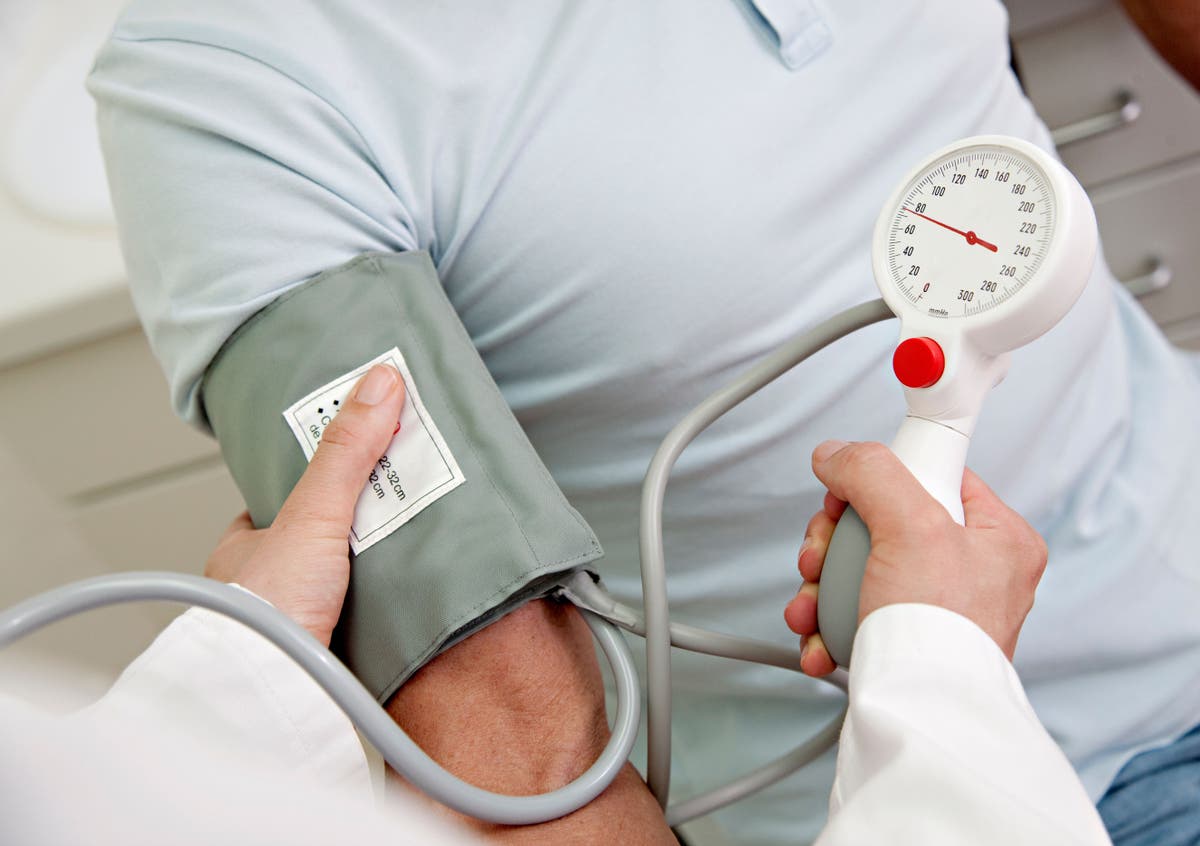 Photo: Clinician re-evaluating a trial patient’s blood pressure. Source: The Independent (PA/ALAMY)
Baxdrostat offers the prospect of avoiding invasive procedures altogether. Professor Mason Freeman of Harvard Medical School noted that diagnostic workflows could be greatly streamlined: physicians might simply prescribe several months of medication without extensive localization workups or surgery.
If a defined course of pharmacotherapy can regress abnormal tissue, patients can avoid invasive surgical intervention. As Professor Morris Brown remarked: “The prospect of long-term remission from a finite course of treatment has been the holy grail in this field of hypertension.”
A 14-Patient Cohort Is Only the Start: Prudent Awaited Validation
Despite the encouraging data, investigators remain measured. The primary limitation is sample size: the NEJM report included only 14 patients and lacked a placebo control arm. Under rigorous evidence-based medical standards, 14 initial cases do not mean hypertension is permanently solved.
To determine whether long-term remission can be replicated across broader populations, larger clinical trials are underway. The newly launched ELIXIR trial expands enrollment substantially and incorporates advanced molecular imaging to directly monitor cellular metabolic activity.
Globally, 5% to 10% of 1 billion hypertensive patients suffer from hormone-driven disease. This novel drug demonstrates that a finite therapeutic regimen can dismantle lesions at their source, keeping blood pressure normal long after therapy ends. Scientific progress requires patient verification, but for those dependent on daily pills, a path beyond lifelong medication is beginning to emerge.
References:
- New England Journal of Medicine Research Letter: Remission of Hypertension After Extended Aldosterone Synthase Inhibition
- Queen Mary University of London Morris Brown Research Group Press Release
- The Guardian Science Report: New drug high blood pressure baxdrostat
- Medical Xpress: Treatment for common hormonal high blood pressure