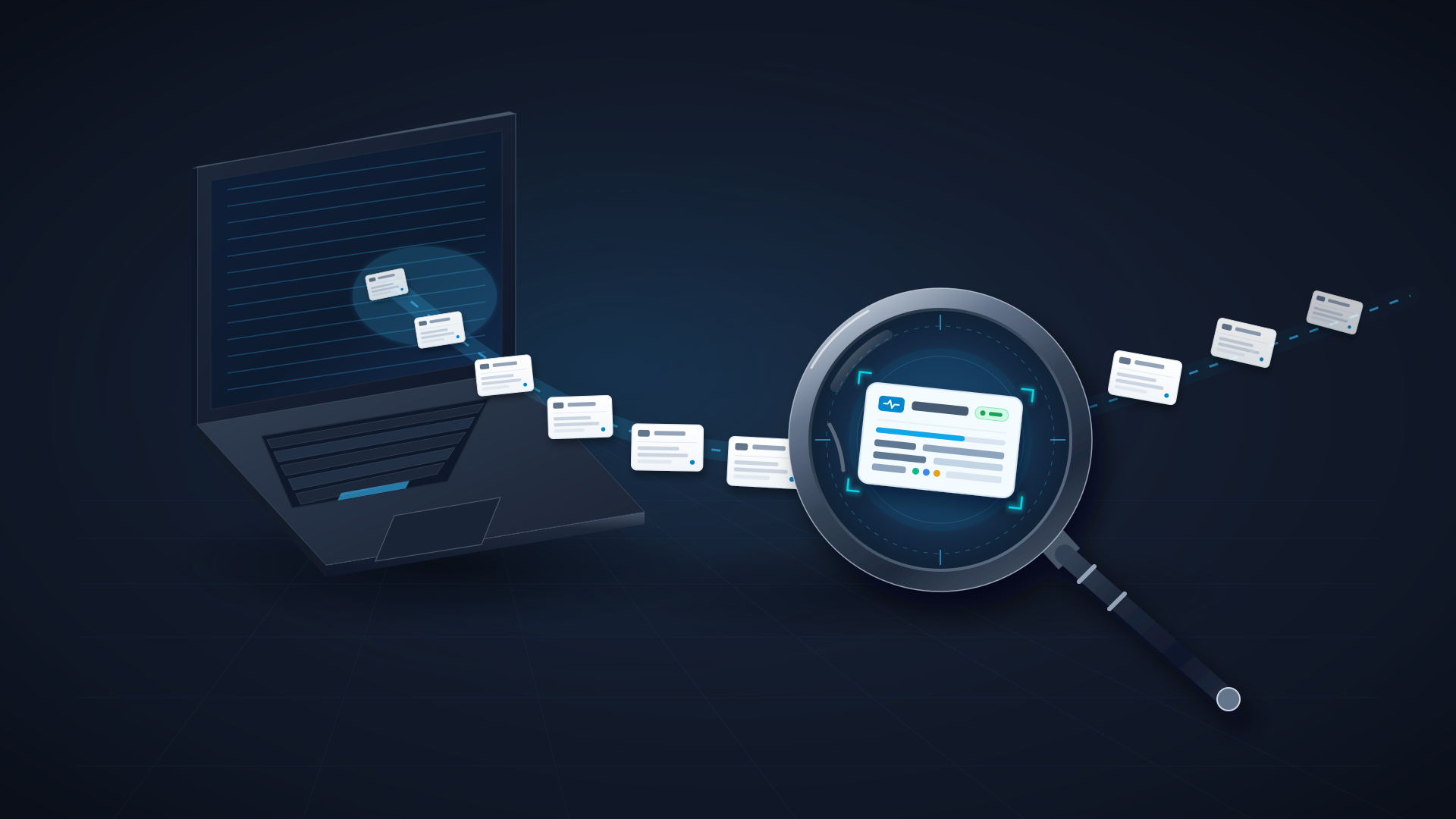
On November 16, 2026, engineer Harrison opened his garage door app. What was once a critical security alert stating “door opened” had been replaced by a promotional advertisement. For years, that push notification had been his baseline home-security defense: if someone opened the garage while he was away, his phone alerted him immediately.
Now, prime screen real estate right below the open animation was occupied by marketing banners—turning his garage door opener into a private billboard under his own eaves. The opener sits inside his garage, yet what it broadcasts is decided by remote corporate servers. Harrison decided to fight back: spending $62 on an open-source control board, he reclaimed hardware authority and brought operation strictly back to his local network.
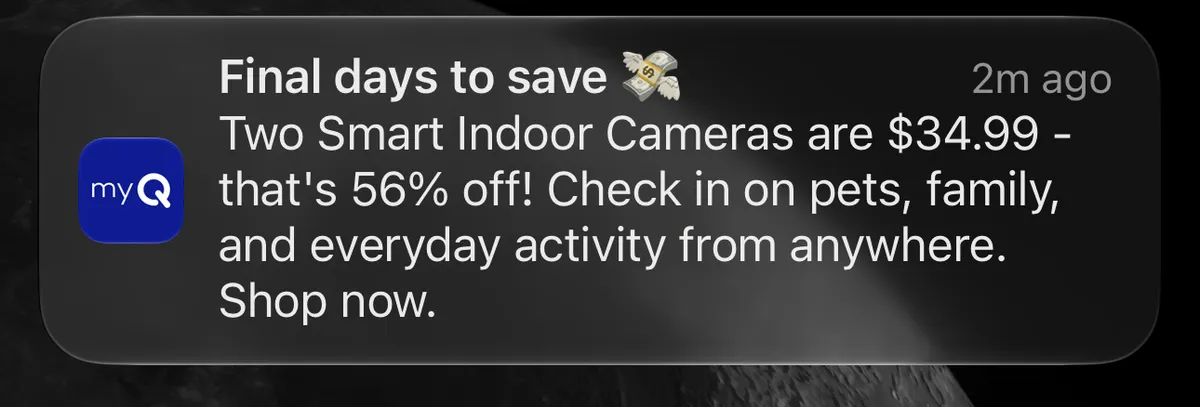 Figure: The spot once reserved for security notifications now displays commercial promotions. Source: blog.harrison.page
Killing Third-Party APIs: Walling Off Hardware into the Cloud
The hardware in question was manufactured by Chamberlain, an established American access-control vendor, running on its proprietary myQ connected platform. In earlier years, homeowners who bought the hardware could integrate it cleanly into open-source ecosystems like Home Assistant. Users could reliably script automated rules, such as auto-closing the door upon departure, and the hardware worked smoothly and efficiently.
The turning point came in late 2023. Chamberlain abruptly severed myQ’s third-party APIs. The company claimed the move was necessary to curb excessive server loads caused by unauthorized API calls that degraded service. In doing so, it severed ties with external ecosystems, breaking automations for hundreds of thousands of smart home enthusiasts overnight.
The underlying motive became undeniable three years later. By building high walled gardens and eliminating alternative control options, physical hardware was isolated inside a proprietary cloud. Once every daily interaction was forced through the vendor’s official mobile app, paying customers were reduced to captive eyeballs waiting to be monetized.
By October 2026, a software update reworked the interface. The prominent space directly beneath the door toggle was repurposed for sponsored brand deals and extended warranty pitches. Opening and closing a garage door happens at least twice a day—and that non-negotiable routine was leveraged into guaranteed ad impressions.
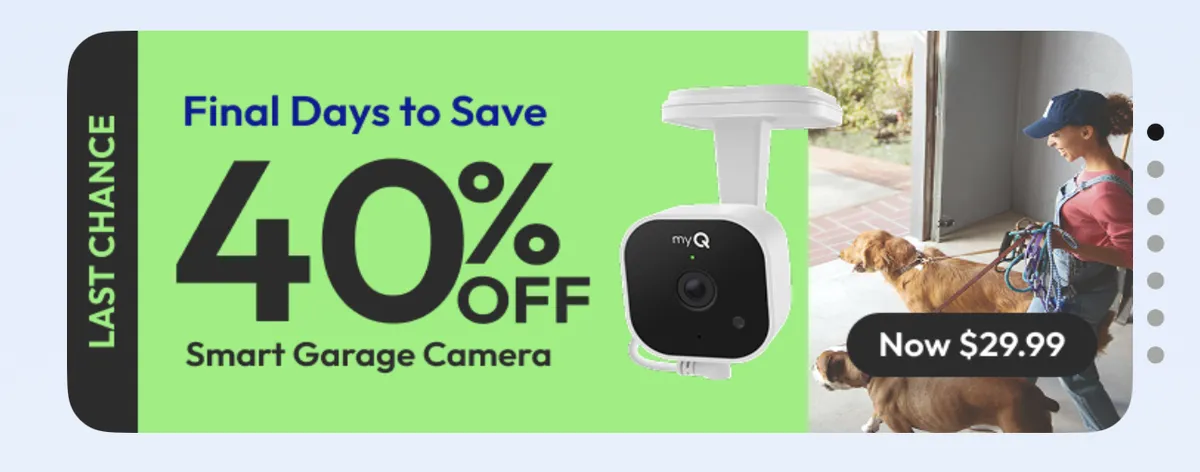 Figure: Ad placement directly under the opening animation in the myQ app. Source: blog.harrison.page
$62 and Two Boards: Bypassing the Corporate Cloud
Because routing through vendor servers meant swallowing forced ads, cutting out the cloud entirely became the only viable path. Harrison turned to ratgdo32, an open-source hardware project created by the ratcloud community. A single board costs around $62. That expenditure was barely a tenth of the garage door system’s original cost, yet it bought back unconditional control.
Modern openers rely heavily on proprietary encrypted communications, rendering traditional dry-contact relay hacks obsolete. The ratgdo32 connects directly to the opener’s internal terminals via three wires, completely bypassing public internet infrastructure. It locally parses and replicates LiftMaster’s proprietary Security+ 2.0 protocol on the fly. Because commands travel over physical wires on a local bus, door response latency improved by nearly two seconds compared to the official cloud app.
Harrison installed a board on each of his two garage doors, assigning static LAN IPs on his local router: 192.168.0.192 and 192.168.0.245. Powered by ESPHome firmware, the setup integrated seamlessly into Apple HomeKit. A simple “Hey Siri, open door one” reliably triggers the garage door in real time.
Channeling a Father’s Mercury Switch: Local Alerts via Cron and Slack
Opening and closing the door was only half the problem; restoring safety reminders when a door is left open was essential. Harrison recalled his father’s decades-old DIY trick: strapping a simple mercury tilt switch to the garage arm so that an unclosed door completed a circuit and illuminated a hallway light bulb. That purely physical mechanical hack never required internet connectivity, and across a dozen years it never failed to signal an open door.
Today’s open-source boards expose built-in web interfaces and local JSON status endpoints. On an internal server, Harrison configured a lightweight cron job: */10 21-23,0-5 * * *. During overnight hours, the script polls the local status endpoint every 10 minutes. If either door remains open, it dispatches an immediate alert to Slack.
The entire design bypasses cloud round-trips, delivering sub-second alert notifications. Harrison even submitted a patch for this health-check logic, which was quickly upstreamed and merged into the open-source repository. When away from home, he connects via Tailscale, allowing background monitoring scripts to query /healthcheck and verify hardware availability.
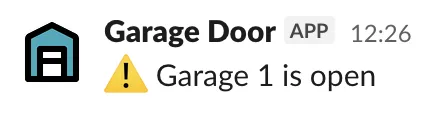 Figure: Replicating the open-door reminder using Slack and a local cron job. Source: blog.harrison.page
Hackers Can Solder, but Everyday Users Get Pop-Ups
Harrison’s write-up struck a chord across developer communities, prompting engineers to share similar frustrations. Smart thermostats like EcoBee and smart plugs from Meross have sparked consumer backlashes after cloud architecture shifts. Forcing lightweight functions that could run locally onto remote corporate servers has become an industry-wide habit among IoT manufacturers.
During community discussions, several engineers pointed out that $62 for an off-the-shelf board is still steep. Anyone comfortable with basic PCB design and soldering could assemble an ESP32-based alternative for just a few dollars. Professional hardware engineers chimed in with a reminder, however: DIY solutions must still adhere to FCC electromagnetic compatibility regulations.
Yet this highlights a stark divide. While engineers can spend a weekend soldering and writing code to reclaim digital autonomy, everyday consumers are left with no choice but to endure intrusive ad pop-ups. The higher the barrier to technical resistance, the further manufacturers will push the boundaries of user tolerance.
You Paid for the Hardware: Stop Letting Vendors Rent-Seek Remotely
This playbook has become routine across consumer electronics. Televisions force viewers through 30 seconds of unskippable ads upon boot-up. Smart speakers announce unsolicited retail promotions late at night, and projectors demand cloud logins before screen mirroring works. Consumers pay full retail price for physical products, only to find the hardware leased out from under them as captive advertising billboards.
Automakers have escalated the model further by charging monthly recurring subscriptions for built-in heated seats. This deliberate lock-out chips away at true ownership. Once hardware is sold, physical property rights are legally established. Yet manufacturers exploit persistent internet backdoors to transform purchased goods into perpetually monetized rental units.
Harrison’s weekend project showed that overcoming manufacturer-imposed barriers took just two microcontroller boards and an evening’s work. At its core, the issue is simple: when you buy a device, who does it answer to? Harrison closed his post with an uncompromising critique of the vendor. Unplugging corporate cloud dependencies and keeping device control strictly inside the local home is the most definitive response users can offer against digital rent-seeking.
References:
- Harrison’s Blog
- Hacker News Discussion