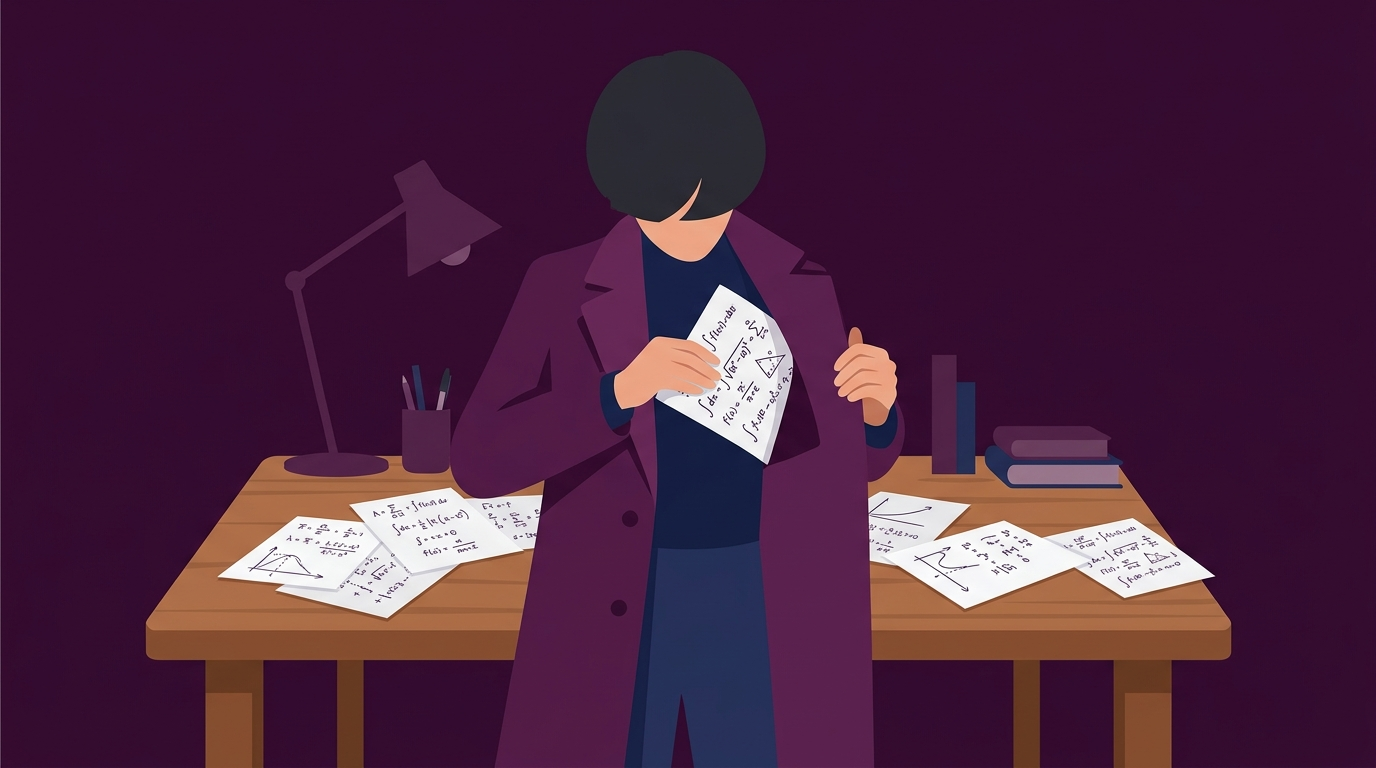
Yesterday on Hacker News, a post exploded with 374 points and 195 comments, discussing Elizabeth Tai’s article “Substack writers, you need a website!”. The numbers themselves aren’t record-breaking, but in a community dominated by Silicon Valley engineers, some of the most tech-literate people spent all day arguing over a non-technical question: Should writers entrust their entire body of work to Substack?
1. The Cycle of “Digital Sharecropping”
In her original post, Elizabeth Tai hits a nerve with a single phrase: “digital sharecropper”. You toil away cultivating content, but the land belongs to someone else. When harvests are plentiful, the landlord takes a cut; when times are tough, you don’t even have the option to pack up and move to another plot.
This isn’t a new story. In the late 1990s, GeoCities gave regular people their first personal web pages. In the mid-2000s, MySpace became the hub for musicians. In the early 2010s, Medium swept through the publishing world with its “minimalist writing experience.” Facebook Pages convinced countless small businesses to stake their entire livelihood on algorithmic recommendations.
Every cycle, platforms repeat the exact same line: “This time is different.”
Every cycle, the outcome is identical: the platform goes public, changes its algorithm, shareholders demand returns, and content creators find themselves trapped inside aging walls with zero mobility.
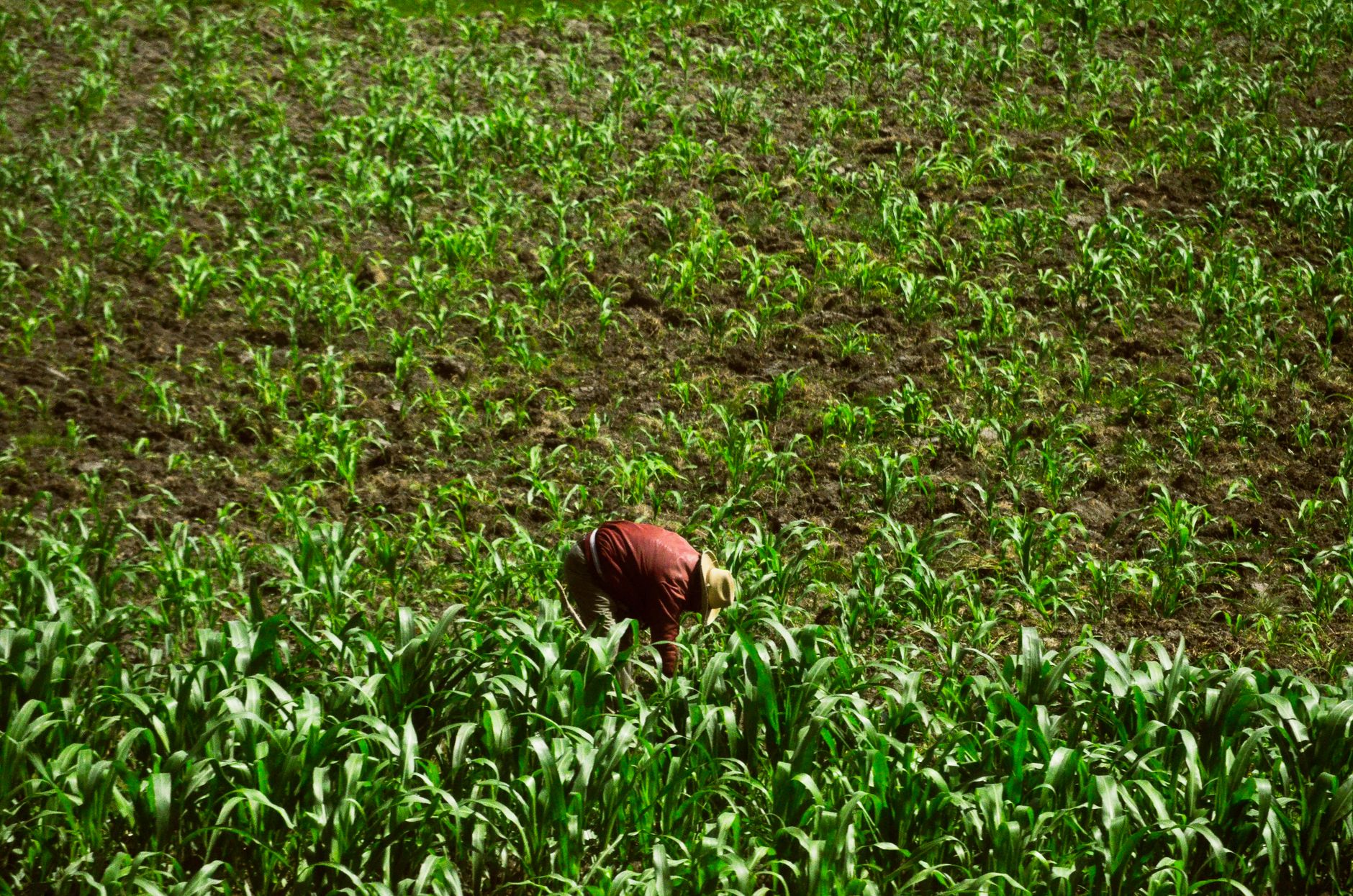 Figure: The dilemma of creators on digital platforms—content belongs to the platform, subscribers belong to the platform, and creators only hold the right to “use” it. Source: Pexels
When Substack debuted in 2017, it promised precisely that “this time is different”: you own your content, you own your subscriber list, and you remain in control. It offered a slick editor, built-in paywalls, automated email delivery, and a recommendation engine to help you grow. For anyone who just wanted to write peacefully, it felt like paradise.
But the ground is shifting.
2. Boiling the Frog: Three Warning Signals
Signal 1: Notes isn’t yours.
In 2023, Substack launched Notes—a Twitter-like social feature. The catch? Nothing you publish on Notes can be exported. As HN user rsingel pointed out: “Notes aren’t exportable, email notifications no longer link back to the web version but direct to the Substack app, and users who subscribe via the app pay through Apple and Google, meaning you can’t migrate them away either.”
Engineer Bratmon put it even more bluntly: “Substack’s entire selling point is ‘you can export your email subscriber list anytime.’ What happens if they turn that off one day?”
In reality, they don’t even need to “turn it off.” Making the export process tedious, formatting bizarre, or imposing strict rate limits is enough to lock you in. It’s called “soft lock-in”—the front door is unlocked, but you can’t move any of the heavy furniture out.
Signal 2: A 10% cut plus the “Substack Tax.”
Substack takes a 10% cut from every paid subscription. On the surface, that sounds reasonable, but when combined with Stripe transaction fees (around 2.9% + $0.30), a writer actually nets about 87%. If you make $1,000 a month, the platform takes $130.
The true hidden cost, however, is that your subscribers are not truly yours. Substack controls the payment relationships, subscriber behavior metrics, and the valves of recommendation traffic. You can walk away with a CSV list of email addresses, but you can’t export the consumer habits readers formed inside Substack’s ecosystem.
Signal 3: The pivot from tool to media empire.
In June 2025, Jane Friedman hosted a roundtable on Substack. In her piece In Substack We Trust, she observed: “Substack has added social features (Notes) and recommendation engines, allowing them to adjust content visibility at will. They court celebrities to drive paid subscriptions, which brings consequences. Substack executives told me in 2023 ‘we are a tech company’—if they still insist on that today, it would be disingenuous.”
In January 2026, Substack launched Substack TV—a standalone app for Apple TV and Google TV. In July 2025, The New York Times reported that Substack was investing heavily in social features and planning to expand into advertising.
Advertising. A platform built on creator subscriptions and a 10% cut is introducing ads. What does this mean? It means the platform must now prove “time spent” and “daily active users” to advertisers. The interests of content creators—focused reading, long-form writing, deep links—start to diverge from the platform’s incentives.
3. The Counterargument: “You’re Right, But Who Manages My Email Infrastructure?”
A comment by HN user simonsarris garnered widespread agreement: “I have my own website and Substack is just a subdomain. But if I ever want to move away (which I don’t!), I can change DNS and self-host. Substack solves distribution, community, billing, anti-spam… It solves making a living writing, for a cost far lower than the value provided. Reducing this to mere ‘convenience’ misses the point.”
This perspective represents the pragmatic view:
- Email deliverability is a massive technical barrier. Setting up your own mail server? Your emails will almost certainly end up in Gmail’s spam folder. Platforms like Substack and Mailchimp have built years of domain reputation and trust with major email providers—something nearly impossible for an individual to replicate.
- Network effects are real. Substack’s recommendation network may not be perfect, but it delivers new readers. Many writers on HN report that around 65% of their new subscribers come directly from Substack’s internal recommendation network.
- Technical overhead and cognitive load. Running an independent site requires managing domain names, servers/CDNs, static site generators or CMSs, email delivery services, payment gateways, SEO, and security updates. For writers who want to focus on writing, this is a massive distraction.
HN user dynm put it bluntly: “I have a Markdown website and custom domain, stubbornly only linking to my site, using Substack as a syndication channel. But every day I ask myself: Is the extra friction worth it?“
4. POSSE: A Blueprint You Can Copy
In her article, Elizabeth Tai advocates a core IndieWeb philosophy: POSSE (Publish on your Own Site, Syndicate Elsewhere).
In plain terms: Publish on your own site first, then syndicate or copy to external platforms.
This isn’t a complex theoretical concept—it’s how sci-fi author John Scalzi has operated for decades. Scalzi has maintained his blog at whatever.scalzi.com continuously for 28 years. “This website is my institutional memory,” Scalzi writes. “Everything I posted on old Twitter is completely gone—I wiped my timeline. But this site is still here.”
The underlying logic of POSSE is straightforward: your content is the root; platforms are just pipes. Pipes can get clogged, shut down, or converted into toll roads, but the roots remain in your own soil.
HN user simonw shared a practical workflow: “I publish everything to my personal blog first, then copy to Substack weekly. This leverages Substack’s email delivery and recommendation network while keeping my personal site as the primary anchor. 65% of new subscribers come from Substack, but the canonical archive of all my work stays with me.”
Granted, this approach requires extra effort. simonw admits it takes 15 minutes of copying and pasting each week—but in return, you retain complete ownership over your content.
5. The Curse of the Platform: No One Is Safe
If Elizabeth Tai’s essay struck a chord, it’s largely because fear in the creator economy is contagious.
Over the past three years, Twitter (X) changed ownership and reset the rules. Reddit’s API policy shift effectively wiped out an entire generation of third-party clients. Medium’s paywall changes alienated readers and left writers’ hard-earned audiences stranded overnight. Algorithm updates on Facebook crushed organic page reach to under 2%.
History doesn’t repeat itself, but it often rhymes.
Substack is currently enjoying its “golden era”—friendly founders, VC funding in the bank, and strong creator goodwill. But Jane Friedman posed the question everyone is secretly pondering: “For Substack to reach profitability, its revenue must eventually come from channels beyond paid subscription cuts.” That channel could be ads, algorithmic placement fees, restricted export features, or hiding content behind paywalls like Medium did.
A highly upvoted comment by cwillu summarized it sharply: “Allow me to translate: ‘They will almost certainly screw you over at some point; the only question is whether it’s next year, in ten years, or if you get absurdly lucky and dodge it.’”
This is the cold economic reality of the tech industry. Once a platform accumulates a critical mass of creators and readers, shareholder value inevitably overrides user interests. “Growth” is priority one, “profitability” is priority two, and “creator well-being” comes a distant third.
6. The Solution Spectrum: From Geeky to Zero-Friction
If you accept that platform dependency is a structural risk, the next question is: What should you do?
The options aren’t binary. Here is a spectrum ranging from “radical independence” to “frictionless convenience”:
1. Self-Hosted (Ghost / WordPress self-managed)
- Complete control over data and code
- Requires managing servers, backups, and security patches
- Ghost offers native email newsletters and paywalls (~$288/yr for managed Ghost Pro)
2. Managed SaaS Independent Site (WordPress.com / Ghost Pro)
- Zero infrastructure maintenance
- Use your own custom domain
- Full data export capabilities
- Social graph and recommendation traffic remain non-exportable
3. Substack with a Custom Domain (Hybrid approach)
- Map your personal domain (e.g.,
yourname.com) to Substack - Keeps your URL structure under your control
- Enables 301 redirects if you migrate later
- Content management and database still reside on Substack servers
4. POSSE Strategy (Recommended)
- Independent website serves as the canonical home
- Substack, Medium, and social channels act purely as distribution pipes
- Content is published on your site first, then syndicated
- Full historical archive remains under your control
5. Emerging Open Platforms (Leaflet / WriteFreely / Buttondown)
- HN discussions highlighted alternatives like Leaflet (open-source publishing) and Buttondown
- Currently smaller ecosystems with limited network effects
7. An “Imperfect Garden” Beats a “Gilded Cage”
In a 2023 essay, Elizabeth Tai offered a metaphor that serves as a fitting conclusion.
She described choosing to be an “imperfect digital gardener”—unconcerned with whether the layout looks sleek, whether SEO is flawless, or whether reader metrics grow exponentially. She simply tends flowers in her own yard, then shares the best blooms in public squares.
This is a choice about ownership. Efficiency is a separate conversation.
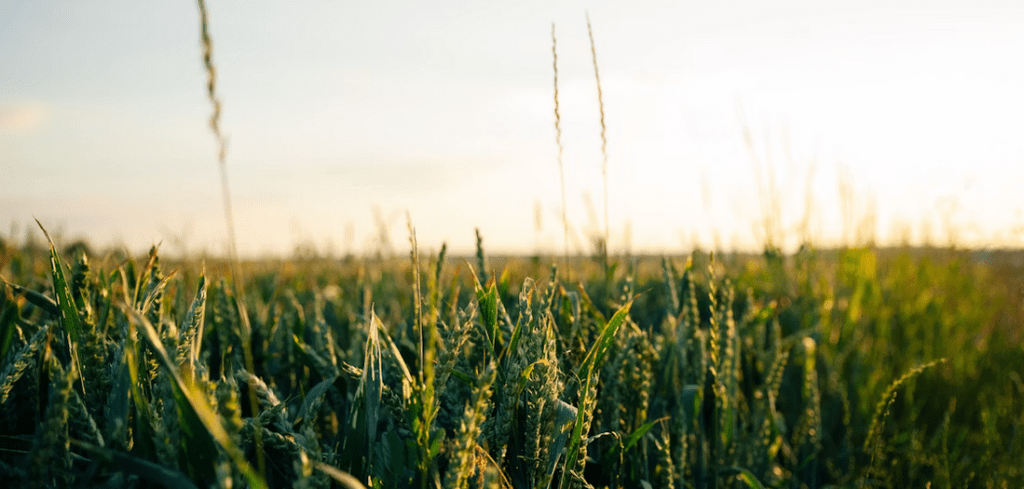 Figure: Visual representation of the POSSE strategy—publish on your own site first, then distribute across platforms. You own the content; platforms are just distribution channels. Source: Field
Efficiency certainly matters. Substack, Medium, and newsletter platforms thrive precisely because they solve real friction points for creators. But there is an eternal tension between “convenience” and “control.”
As one memorable HN comment summed up: “I’ve made a substantial income for 25 years, much of it directly from my website. I don’t build sites anymore because it doesn’t offer the same return. But guess what? I never rented someone else’s land to grow my crops.”
One sentence that explains the exact dilemma every creator faces.
Reference Links
- Substack writers, you need a website! – Elizabeth Tai
- Hacker News Discussion (item?id=49086788): 374 points, 195 comments
- In Substack We Trust – Jane Friedman
- Don’t Build Your Castle in Other People’s Kingdoms – How to Market a Game
- Publishers are leaving Substack for Ghost – Blog Herald
- Don’t Build Your House on Rented Land – LLRX
- Platform Dependency: The Hidden Risks for Creators – Memberful
- The Truth About Substack for Creators in 2026 – Stack Influence
- What I learned from one year of Substack – Elizabeth Tai
- POSSE: Publish on your Own Site, Syndicate Elsewhere – IndieWeb
Image Credits: Illustrations from Elizabeth Tai’s original post (Pexels / Field)