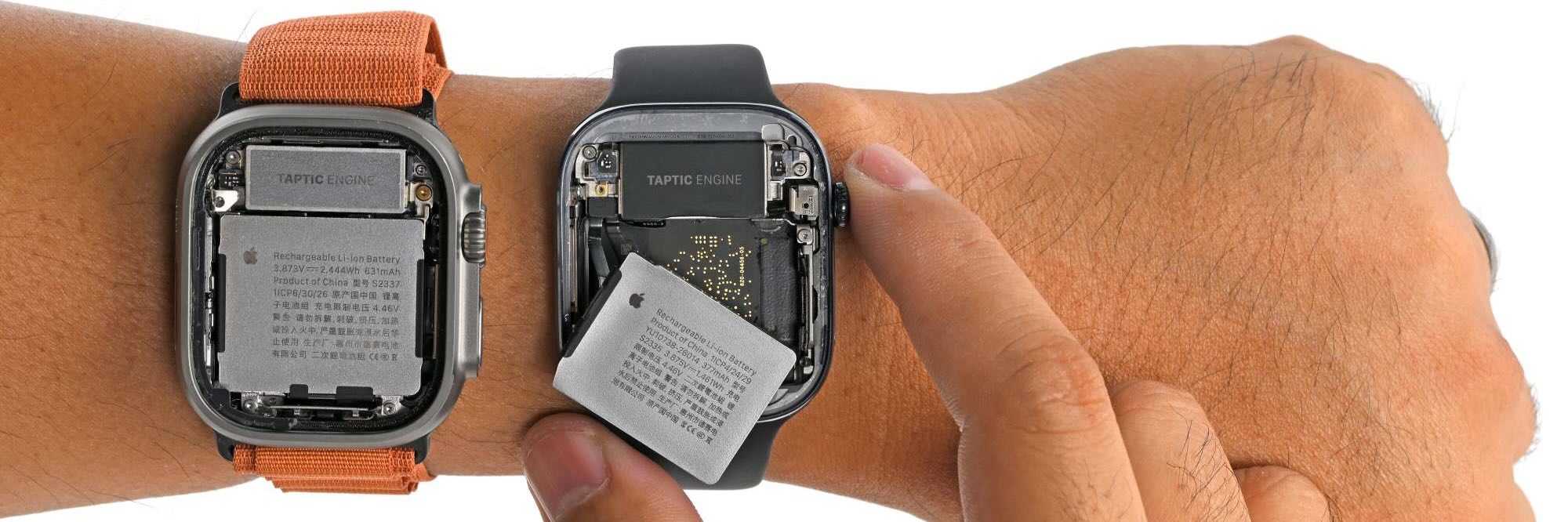
On October 6, 2026, iFixit published its teardown of the Apple Watch Series 12 and Apple Watch Ultra 4. While the Series 12 finally introduces a long-awaited stretch-release battery pull tab, the internal architecture of the Ultra 4 remains virtually frozen in time. Both smartwatches stall at an underwhelming repairability score of 4 out of 10.
Battery Pull Tabs Cannot Bridge the Repair Gap
Let’s look inside the Ultra 4 first. Teardowns reveal that its battery capacity received a minor bump from 2.313 Wh in the previous generation to 2.444 Wh. Yet swapping out this consumable cell still requires meticulously slicing through perimeter adhesive around the display. Don’t be fooled by the four pentalobe screws on the case back: removing them only grants access to the sensor assembly while permanently compromising water resistance.
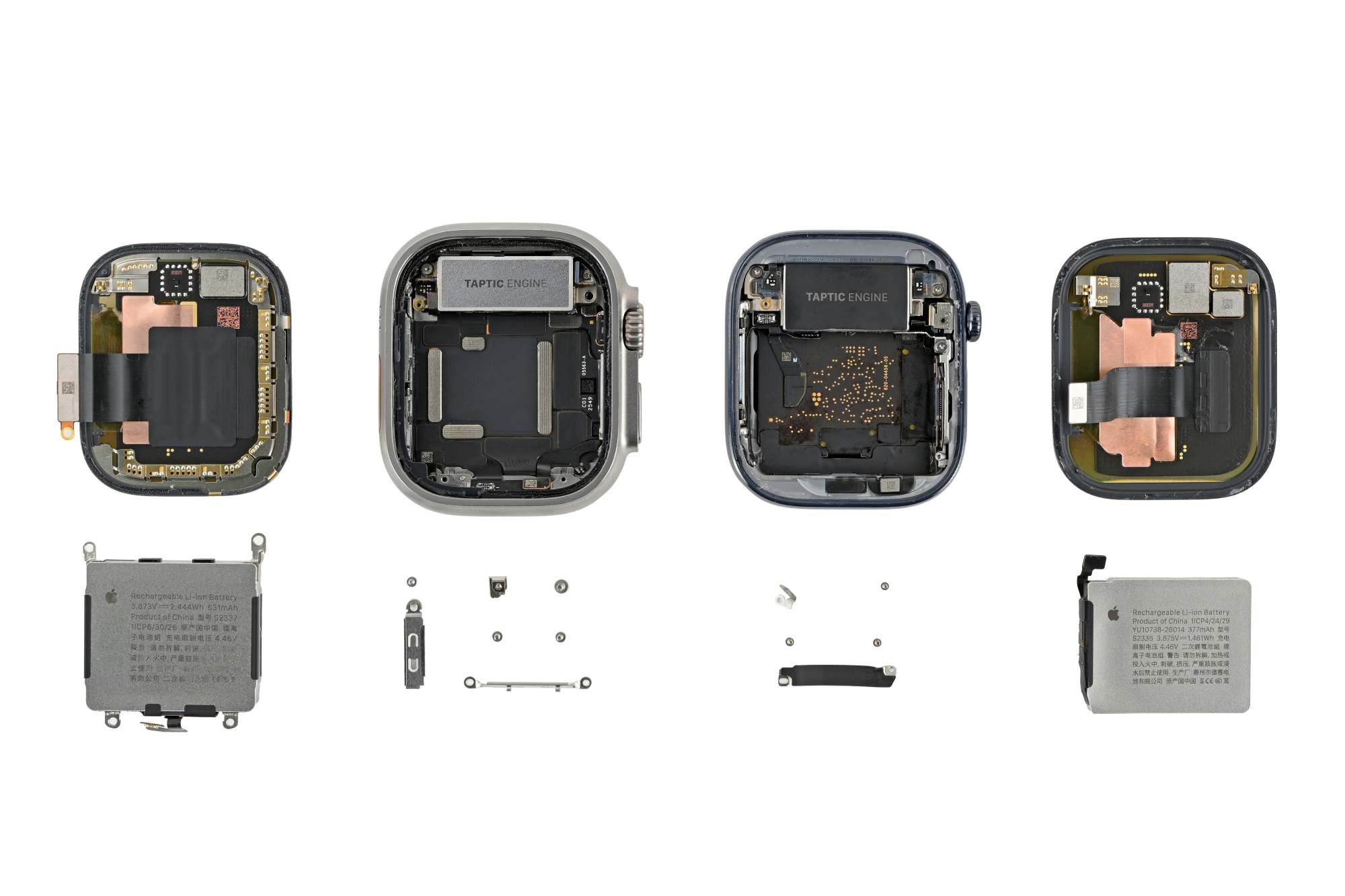 Figure: Technicians must slice through display perimeter adhesive to access the interior of the Ultra 4. Source: iFixit
The Series 12 makes a minor concession. Once the battery connector bracket is removed, technicians finally uncover an adhesive pull tab, retiring the nerve-racking routine of prying the battery out with a spudger. However, Apple replaced the display cable connection with a press-fit connector under a bracket, creating a frustrating trade-off: replacing the screen now mandates removing and replacing the battery as well.
This level of structural tweaking streamlines factory assembly lines, but brings zero relief to independent repair shops. Ten US states have already enacted electronics Right to Repair legislation, requiring manufacturers to make parts and diagnostics available on fair and reasonable terms. Yet across all ten states, Apple still refuses to sell replacement parts or proprietary service tools for the Apple Watch to everyday consumers and independent technicians.
Medical Device Label Serves as a Convenient Loophole
How does Apple get away with operating in a regulatory gray area across ten states simultaneously? The answer lies in who controls the definition of the product.
In Minnesota, an Apple-Authorized Service Provider argued to the state’s Attorney General that the Apple Watch is a medical device and should therefore qualify for an exemption under Right to Repair statutes. Apple’s own official safety guidance, however, states in plain English that the Watch is “not a medical device.” The FDA takes a similar stance, classifying the wearable as a “general purpose computing platform” running an FDA-cleared hypertension notification feature.
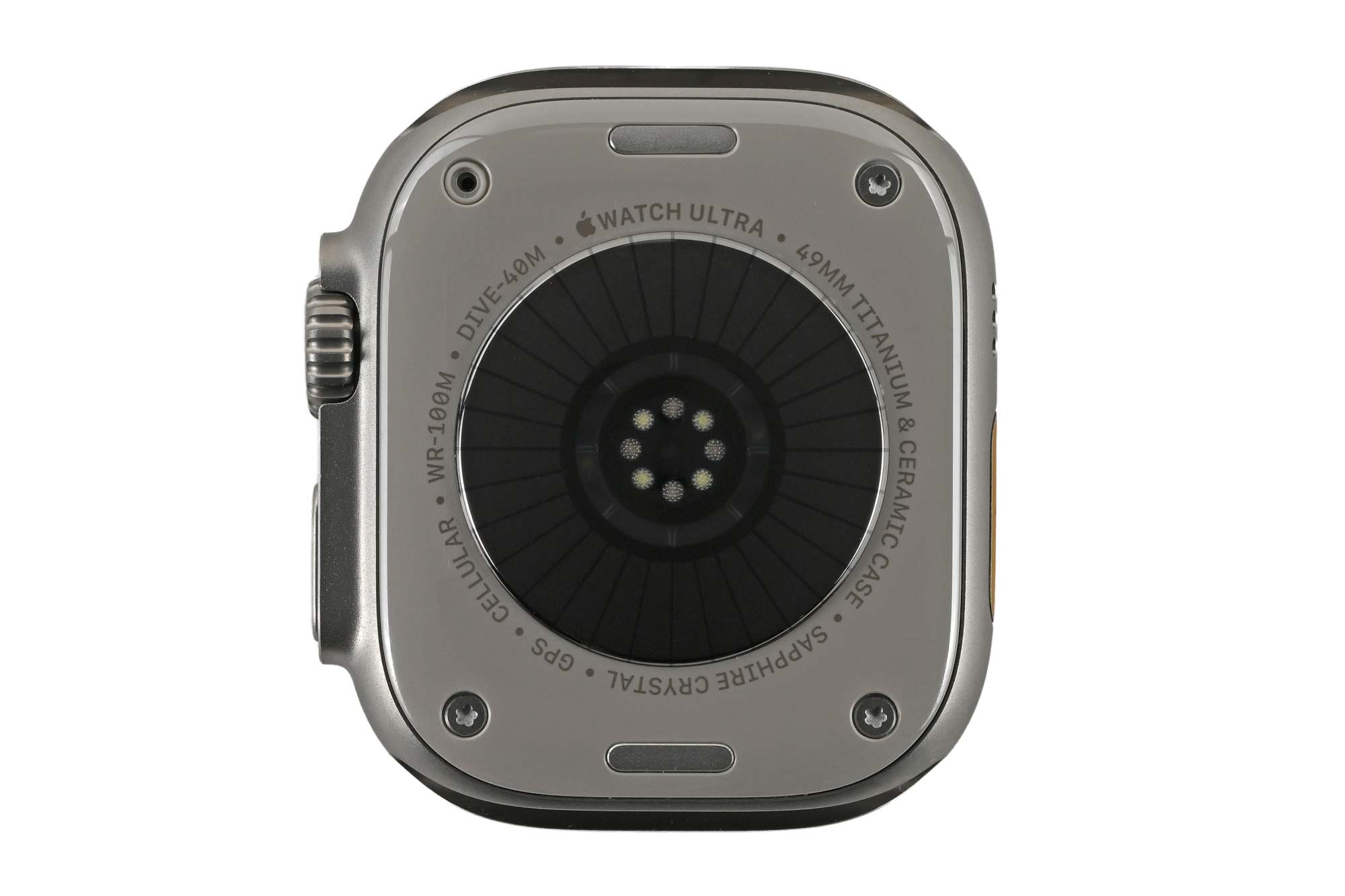 Figure: The battery pull tab uncovered inside the Series 12. Source: iFixit
Health monitoring has become Apple’s go-to excuse for locking out independent repair. But real-world engineering disproves that excuse. Google’s Pixel Watch 5, which offers comparable ECG tracking and atrial fibrillation alerts, earned a 9 out of 10 on iFixit’s repairability scorecard. Its display and battery are secured by just two Torx screws and a gasket, making service far cleaner and more predictable than slicing through glued seams. Complex health sensors do not preclude modular design, nor do they inherently compromise repairability.
Reclaiming Repair Rights for Consumers
For a smartwatch whose headline feature is health monitoring, continuous 24/7 physiological tracking is its core value proposition. When its battery degrades and an owner faces days without the device while mailing it in to Apple, that biometric blackout is an unnecessary secondary harm created by repair-hostile product design.
The Series 12’s pull tab proves Apple is capable of incremental improvements, but the Ultra 4’s stagnation underscores a deliberate refusal to open up to third parties. As long as Apple withholds official replacement parts and tools, adding a few pull tabs under the hood will never pry open the door to independent repair.
Reference Links:
- iFixit Report